Summary Outline – Looking to foster your child’s creativity while also keeping them organized? Chalkboards and chalkboard paint are innovative solutions that can achieve both!
Whether it’s sparking their imagination with endless drawing possibilities or helping them manage their daily tasks and homework, incorporating chalkboards into your home can provide numerous benefits.
Summary of Site Content
1st Chalkboard Tip: [view tip]
… we begin this analysis by examining the benefits of using chalkboards to foster creativity, imagination, educational support, and personal responsibility.
2nd Chalkboard Tip: [view tip]
… the second section explores various types of chalkboards, including traditional framed blackboards attached to the wall, embedded designer blackboards, magnetic boards, and other non-mounted options such as chalkboard painted walls.
3rd Chalkboard Tip: [view tip]
… moving on, the third section explored in detail the process of painting a child’s or teen’s bedroom wall with chalkboard paint, along with the creative possibilities that such a wall can inspire.
4th Chalkboard Tip: [view tip]
… the fourth section examined how a chalkboard-painted wall can be utilized for children’s time management and organization, including scheduling, chore lists, and homework assignments.
5th Chalkboard Tip: [view tip]
… the fifth and final section delves into real-life examples and testimonials, highlighting the positive impact of having a chalkboard wall in kids’ and teens’ bedrooms.
These versatile tools can be used in bedrooms, playrooms, or even the kitchen, offering a fun and functional way to engage your children. Plus, they can be easily cleaned and reused, making them a practical addition to any household.
This blog will explore how these simple tools can transform your child’s environment. We’ll discuss creative ideas, practical tips, and real-life examples to inspire you.
- post content
- Chalkboard Tip 1: The Benefits of Incorporating Chalkboards in a Child’s Environment
- Chalkboard Tip 2: Exploring Different Types of Chalkboards
- Chalkboard Tip 3: How to Use Chalkboard Paint to Foster Imagination
- Chalkboard Tip 4: Chalkboard Wall for Kid Time Management and Organization
- Chalkboard Tip 5: Real-Life Examples and Testimonials

-
Quick scroll to first topic about using chalkboards …

first “using chalkboards” idea


copyright image by 123rf.com
Chalkboard Tip 1: The Benefits of Incorporating Chalkboards
in a Child’s Environment
Notes:
-
Introducing chalkboards into your child’s environment can revolutionize the way they learn and play. These versatile tools offer a plethora of benefits that extend far beyond just serving as a writing surface.
From encouraging creativity and imaginative play to enhancing cognitive skills and providing an interactive way to stay organized, chalkboards can significantly impact your child’s developmental journey in many positive ways.
In the following sections, we’ll review the specific advantages of using chalkboards to cultivate a nurturing and stimulating environment for your little ones.
-
Quick scroll to “chalkboard benefits” side notes …
-
-
1st: Encouraging Creativity and Imagination
Chalkboards are a blank canvas for your child’s imagination. They can be used for drawing, storytelling, and brainstorming ideas.
Unlike paper, which can run out, a chalkboard is reusable, making it an eco-friendly option for endless creativity. Kids can draw and erase as many times as they want, providing a dynamic space for their artistic expressions.
Another benefit is the tactile experience of using chalk. The sound and feel of chalk on a board can be more engaging than pencils or markers on paper. This sensory experience can help stimulate other creative ideas and activities, keeping your child engaged for longer periods.
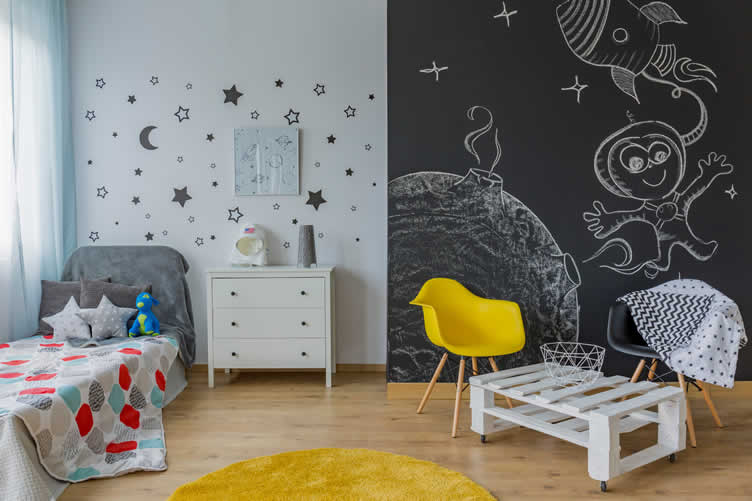
Lastly, chalkboards can be customized to fit any theme or interest. If your child loves outer space, you can paint a section of their room with chalkboard paint and encourage them to draw planets and stars. The possibilities are endless, and the only limit is your child’s imagination.
copyright image by 123rf.com
[ pinterest: encouraging imagination in kids ]
[ youtube: benefits of independent play ]

-
2nd: Enhancing Educational Opportunities
Chalkboards are not just for fun; they are also excellent educational tools. You can use them to teach your child numbers, letters, and shapes. Interactive learning becomes more exciting when your child can participate actively by writing or drawing on the board.
Homework and study sessions can also be more effective with a chalkboard. Instead of flipping through pages, your child can practice spelling words, solve math problems, or diagram sentences directly on the board. This interactive method can make learning more enjoyable and less of a chore.
Educational games like word searches, hangman, and tic-tac-toe can also be played on a chalkboard. These activities can enhance cognitive skills while still being a lot of fun. Incorporating educational content into playtime can make learning seamless and enjoyable.

copyright image by 123rf.com
[ view diagram: home teaching tips]
[ youtube: the science of teaching]
-
3rd: Teaching Responsibility and Time Management
Chalkboards can be excellent tools for teaching kids responsibility and time management. Creating a chore chart on a chalkboard can visually represent their tasks and accomplishments, making it easier for them to understand their responsibilities.
A chalkboard calendar can help kids keep track of important dates like school events, extracurricular activities, and family gatherings. This visual aid can make it easier for them to manage their time and understand the concept of scheduling.
To-do lists are another way to utilize chalkboards for teaching responsibility. Kids can jot down their daily tasks, from brushing their teeth to completing homework.
The satisfaction of crossing off completed tasks can instill a sense of accomplishment and encourage them to stay organized.

copyright image by 123rf.com
[ view images: chalkboard to do list]
[ youtube: how to use Chalkboard effectively]
-
Scroll up to directory … or scroll to next section about using chalkboards …

-
ideas to view and compare from the information discussed above
second “photo remodeling” idea

copyright image by 123rf.com
Chalkboard Tip 2: Exploring Different Types of Chalkboards
Notes:
-
When it comes to integrating chalkboards into your child’s life, there is a wide variety to choose from, each with its unique features and uses. Let’s delve into the different types of chalkboards and how they can be utilized effectively.
-
Quick scroll to “types of chalkboards” side notes …
-
-
1st: Old Blackboard Attached to the Wall
The classic blackboard attached to the wall is a timeless piece that instantly brings back memories of traditional classrooms. This type of chalkboard is perfect for creating a dedicated space for learning and creativity within your home.
Whether it’s used for solving math problems, practicing handwriting, or simply letting your child unleash their artistic skills, this wall-mounted blackboard can be both educational and fun.

copyright image by 123rf.com
Steps to Select the Right Size and Install a Blackboard on the Wall
- Measure the Space Available:
Determine where you want to install the blackboard and use a tape measure to record the dimensions of the available space. This will help you decide the maximum size of the blackboard that will fit on your wall. - Choose the Appropriate Size:
Based on the measurements, select a blackboard that complements the area. Ensure it is large enough for your child to comfortably draw and write on but not too oversized for the designated spot. - Gather Necessary Supplies:
Before installation, make sure you have all required supplies, which typically include the blackboard, mounting brackets or screws, a level, a drill, wall anchors (if needed), and a screwdriver. - Mark the Placement:
Hold the blackboard against the wall at the desired height and use a pencil to mark the points where the screws or brackets will be attached. Double-check the markings with a level to ensure the blackboard will be straight. - Install Wall Anchors (if necessary):
If the blackboard is heavy or you’re attaching it to drywall, install wall anchors following the manufacturer’s instructions to provide additional support. - Drill Holes and Attach Brackets:
Drill holes at the marked points and attach the brackets or screws to the wall. Make sure they are securely fastened to hold the weight of the blackboard. - Mount the Blackboard:
Carefully align the blackboard with the mounted brackets or screws and secure it in place. Ensure it’s level and adjust as needed before fully tightening the screws. - Final Adjustments and Safety Check:
Once mounted, give the blackboard a slight shake to confirm it is securely installed. Make any necessary final adjustments for stability and safety.
By following these steps, you can successfully select the right size and install a blackboard to create an inspiring and functional space for your child.
[ view diagram: wall-mounted chalkboard ]
[ youtube: DIY chalkboards for kids ]
- Measure the Space Available:
-
2nd: Blackboard with World Map Inscribed
Imagine a chalkboard that not only serves as a canvas for creativity but also fosters a love of geography. The blackboard with a world map ingrained is an innovative tool where children can learn about different countries, continents, and oceans.
This type of chalkboard is incredibly visual and interactive, making the learning process engaging and exciting. Your child can label countries, trace travel routes, or even mark places they dream of visiting.

copyright image by 123rf.com
Other Ingrained Ideas for Chalkboards
- Alphabet and Numbers:
A blackboard with the alphabet and basic numbers ingrained can help young children learn their ABCs and 123s, reinforcing recognition and practice through daily interaction. - Multiplication Tables:
Having multiplication tables inscribed on a chalkboard can aid in memorizing and practicing math skills, providing a quick reference for children as they work through problems. - Solar System:
A chalkboard featuring an ingrained diagram of the solar system can inspire a curiosity about space, helping children learn the names and positions of planets, as well as other celestial bodies. - Periodic Table:
For older children, a blackboard with the periodic table of elements allows for an engaging way to learn about chemistry, encouraging familiarity with elements and their properties. - Life Cycle Diagrams:
Diagrams showing the life cycles of plants, animals, or insects can be an excellent educational tool, making it easier for children to understand biological processes. - Historical Timelines:
A chalkboard with historical timelines inscribed can provide a visual representation of significant events, helping children grasp the flow of history and the relation between different time periods. - Human Body Diagram:
A blackboard with an ingrained diagram of the human body can facilitate the learning of anatomy, allowing children to identify and label various body parts. - Weather Chart:
A chalkboard with a weather chart ingrained helps children learn about different weather conditions and track daily weather changes, fostering an interest in meteorology.
[ pinterest: ingrained style chalkboard ]
[ youtube: how to draw neatly on a chalk board ]
- Alphabet and Numbers:
-
3rd: Magnetic Chalkboard
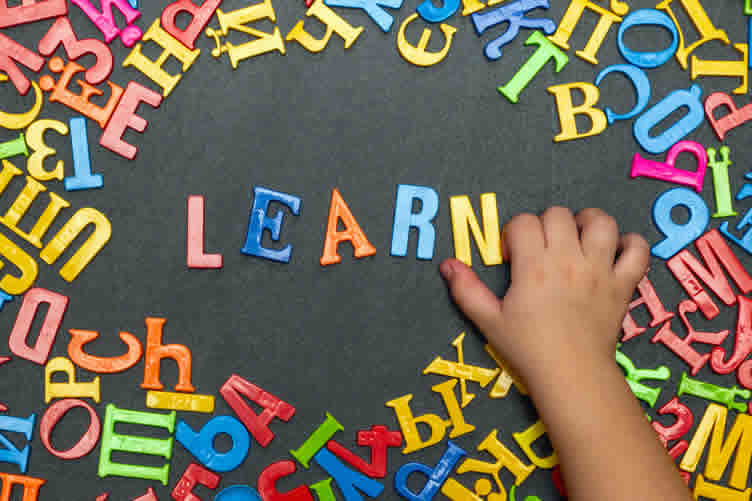
A magnetic chalkboard combines the functionality of a traditional chalkboard with the added benefit of magnetic surfaces. This type of chalkboard allows children to write and draw with chalk while also offering the ability to attach magnetic letters, numbers, and other educational materials.
It’s a versatile tool that can coexist beautifully with other learning aids, making it easier for children to associate words with images or work on matching games. The magnetic feature makes it perfect for interactive lessons, spontaneous notes, or simply displaying their latest artwork.
copyright image by 123rf.com
Common Problems:
- Weak Magnetic Surface:
Sometimes, the magnetic strength may not be sufficient to hold heavier items. - Remedies:
Use strong, high-quality magnets to ensure items stay in place. Check the magnetic board’s specifications before purchasing. - Surface Scratches:
Frequent attachment and detachment of magnets can cause scratches on the board’s surface. - Remedies:
Handle magnets gently, and regularly check for any damage. Use soft cloths or felt pads on magnets to protect the surface.
[ view diagram: DIY magnetic chalkboard ]
[ youtube: how to make a magnetic chalkboard ]
- Weak Magnetic Surface:
-
4th: Attached Whiteboard
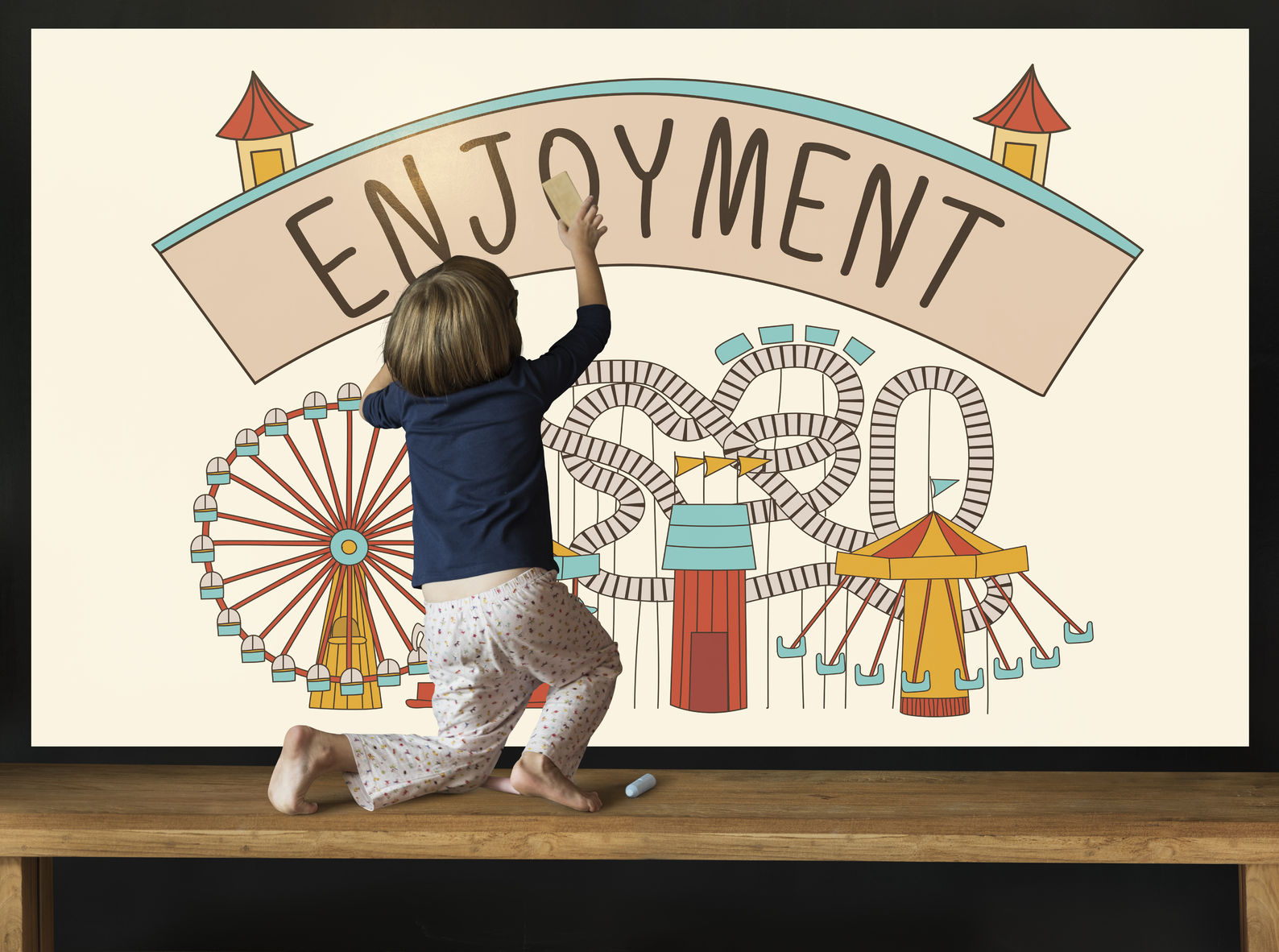
Incorporating a chalkboard that features an attached whiteboard provides a dual-purpose solution that caters to a variety of writing and drawing preferences. On one side, the rustic feel of chalk, and on the other, the sleek wipe-clean surface of a whiteboard.
This setup is perfect for switching between different types of tasks, like practicing cursive letters with chalk and working through science problems with dry-erase markers. The combination offers maximum flexibility for various educational activities.
copyright image by 123rf.com
-
Pros and Cons of Using a Whiteboard
Pros:
- Ease of Cleaning:
Whiteboards are easy to clean with a simple wipe of a dry-erase eraser or cloth. - No Dust:
Unlike chalkboards, whiteboards do not produce dust, making them ideal for allergy-sensitive environments. - Bright and Clear:
Whiteboard markers come in a variety of vibrant colors, providing clear visibility and making drawings and writings stand out. - Reusable Surface:
Mistakes can be easily corrected, and the surface can be repeatedly used without much wear.
Cons:
- Marker Odor:
Some dry-erase markers emit strong odors, which can be unpleasant or irritating. - Ink Staining:
If not regularly maintained, whiteboards can become stained with residual marker ink. - Environmental Impact:
Markers have a shorter life-cycle compared to chalk and contribute to more waste.
- Ease of Cleaning:
-
Chalkboard:
Pros:
- Cost-Effective:
Chalkboards and chalk are generally cheaper than whiteboards and markers. - Durability:
Chalkboards tend to be more durable, with less risk of staining or ghost writing. - Tactile Learning:
The use of chalk offers a tactile experience beneficial for young learners developing fine motor skills. - Eco-Friendly:
Chalk is biodegradable and produces less waste compared to dry-erase markers.
Cons:
- Dust Production:
Chalkboards produce dust, which can be messy and trigger allergies or respiratory issues. - Cleaning Effort:
Erasing a chalkboard can be more labor-intensive and may require wet cloths to thoroughly clean. - Less Vibrant:
Chalk typically offers fewer color options and less vibrancy than dry-erase markers (unless your use chalkboard markers).
- Cost-Effective:
[ view diagram: chalkboard vs. whiteboard ]
[ youtube: whiteboard walls boost children’s creativity ]
-
-
5th: Non-Mounted Chalkboards
When selecting chalkboards that don’t require wall mounting, there are several innovative and practical options to consider. These alternatives offer the flexibility to move and reposition the chalkboards as needed, adapting to different spaces and activities.
Whether you’re looking for something portable for on-the-go creativity or a sturdy option for freestyle art sessions, there’s a chalkboard solution to fit every need. Let’s explore some of the best non-wall-mounted chalkboard options that can enhance your child’s learning and play environments effortlessly.
-
Leaning Chalkboard
For a versatile and mobile option, the leaning chalkboard is an excellent choice. As it is not fixed to any wall, it can be easily moved from room to room, allowing your child to use it wherever inspiration strikes.
Lean it against a wall in the playroom for spontaneous art sessions or in the living room for showcasing daily inspirational quotes and messages. Its portability makes it ideal for dynamic learning environments.
Common Problems:
- Slipping and Sliding:
Since they are not fixed in place, these chalkboards may slip or move when pressure is applied during writing. - Remedies:
Use rubber grips or non-slip mats at the base to keep the board stable. - Angle Issues:
The board’s angle can be awkward for writing if not positioned correctly. - Remedies:
Adjust the angle by leaning the board at a different height or against a more stable surface to ensure comfortable writing. - Limited Height:
The height of the writing surface is fixed, which might be inconvenient for individuals of different heights. - Remedies:
Place the board on a low table or platform to adjust its height to a more suitable level for all users.
- Slipping and Sliding:
-
Tabletop Chalkboards
Tabletop chalkboards are portable and can be placed on desks or tables, making them a versatile option for different activities.
Common Problems:
- Instability:
Being lightweight, these boards can easily tip over during use. - Remedies:
Choose a chalkboard with a sturdy base or add a non-slip mat underneath to prevent tipping. - Limited Surface Area:
Tabletop chalkboards offer less space for writing compared to wall-mounted options. - Remedies:
Use tabletop chalkboards for small notes or quick exercises and wall-mounted boards for larger tasks.
- Instability:
-
Rolling Chalkboards
Rolling chalkboards are mounted on wheels, allowing them to be moved easily from one location to another. They are beneficial in flexible learning environments where space may need reconfiguring.
Common Problems:
- Wheel Malfunction:
Frequent use can wear down the wheels, making it difficult to move the board around. - Remedies:
Regularly check and maintain the wheels, replacing them if they show signs of wear and tear. - Storage Issues:
These chalkboards can take up space when not in use. - Remedies:
Plan storage solutions that accommodate the board and keep it out of the way when not needed, such as a designated corner or a utility closet.
- Wheel Malfunction:
-
Chalkboard Paint
Chalkboard paint deserves a section of its own due to its transformative potential. With just a few strokes of chalkboard paint, you can turn virtually any surface into a creative canvas.
In the following section, we’ll dive deeper into how this versatile tool can be employed to revamp spaces and inspire endless creativity.
[ see topic below: chalkboard paint ]
copyright image by 123rf.com
-
-
-
ideas to view and compare from the information discussed above
wall-mounted chalkboardrolling chalkboardwall mounted whiteboard
Scroll up to directory … or scroll to next section about using chalkboards …

using chalkboards and chalkboard walls for child development and other home improvement needs …

… grab this directory of ideas for future use




May We Suggest Other Photo Remodeling Ideas About
“Managing Your Home …” (new win)


third “photo remodeling” idea

copyright image by 123rf.com
Chalkboard Tip 3: How to Use Chalkboard Paint to Foster Imagination
Notes:
-
Chalkboard paint offers an exciting way to transform ordinary spaces into canvases for creativity and imaginative play. It has gained popularity in recent years, and it’s easy to see why – the possibilities are endless!
Setting it up is straightforward. Just prime and paint a section of the wall, floor, or any other surface in the kids’ room with chalkboard paint, allowing their imagination to run wild. If the chalkboard is no longer needed in the future, simply paint over it with a new color and style.
The chalkboard can be used for doodling, posting calendar items, listing chores, and so much more. It’s a great way to foster organization and creativity within the home.
Children can express their artistic side by drawing and creating on an ever-changing canvas, while parents can easily track weekly schedules and important tasks. The versatility of a chalkboard is unmatched, making it a functional and fun addition to any household.
-
Quick scroll to “foster imagination tips” side notes …
-
-
1st: Tips for Applying Chalkboard Paint
Applying chalkboard paint is straightforward but requires some preparation. First, choose a smooth surface for the best results. Clean the surface thoroughly to remove any dirt or grease. Sanding the area lightly can also help the paint adhere better.
Next, apply a primer if the surface is porous or previously painted. Once the primer is dry, stir the chalkboard paint well and apply it evenly with a roller or brush. Two to three coats are recommended for a durable finish. Allow each coat to dry completely before applying the next.
Finally, condition the chalkboard by rubbing the entire surface with a piece of chalk and then wiping it clean. This step prepares the board for writing and ensures that the first marks won’t be permanent.
Here is a step-by-step guide to help you use chalkboard paint to spark adventure and imagination in your children’s lives:
-
Step 1: Choose the Right Surface
Select a flat and smooth surface that will become your kids’ new creative space. This could be a section of a bedroom wall, the back of a door, or even a piece of furniture like a wardrobe or dresser. Ensure the surface is clean, dry, and free of any dust or grease for optimal paint adherence.
-
Step 2: Prepare the Area
Before painting, protect any surrounding areas to avoid unintended splashes. Use painter’s tape to mark the edges of the surface you’re covering or to create interesting shapes and patterns.
This can add structure to the creative space or delineate different zones for various types of play (e.g., drawing, writing, or tallying scores for games).
-
Step 3: Apply the Chalkboard Paint
Stir the chalkboard paint thoroughly before application. Using a foam roller or a smooth paintbrush, apply the chalkboard paint in even, thin coats.
Most surfaces will require at least 2-3 coats to achieve a solid, writable finish. Allow each coat to dry fully before applying the next one, typically about 4 hours between coats.
-
Step 4: Condition the Surface
Once the final coat is entirely dry (allow at least 3 days for curing), you need to condition the chalkboard surface.
Rub the side of a piece of white chalk over the entire painted area, then wipe it off with a dry cloth. This step primes the chalkboard, making it easier to write on and clean.
-
Step 5: Encourage Creative Play
With the chalkboard ready, encourage your children to explore their creativity. Provide a variety of colored chalks and suggest activities like drawing landscapes, creating play menus for a pretend restaurant, or designing their own comic strips.
The possibilities are endless and can be tailored to your child’s interests.
-
Step 6: Maintain the Chalkboard
Keep the chalkboard clean and functional by regularly wiping down the surface with a damp cloth. For deeper cleans, use a mixture of warm water and a mild detergent. This maintenance ensures the chalkboard remains an inviting space for continuous creative adventures.
By incorporating chalkboard paint into your children’s environment, you provide a dynamic and engaging platform for them to express themselves, plan fantastic adventures, and build imaginative worlds, all within the comfort of their home.
This simple enhancement can have lasting benefits on their mental growth, creativity, and sense of exploration.
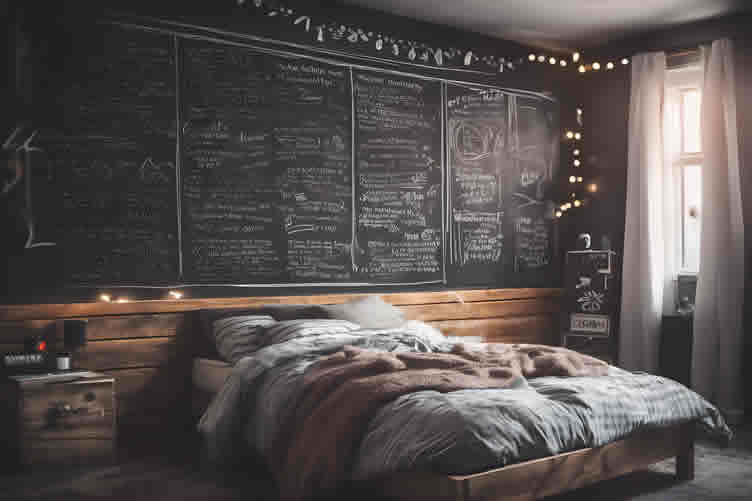
AI generated image by 123rf.com
[ pinterest: working with chalkboard paint ]
[ youtube: chalk paint basics ]
-
-
2nd: Creative Ideas for Using Chalkboard Paint
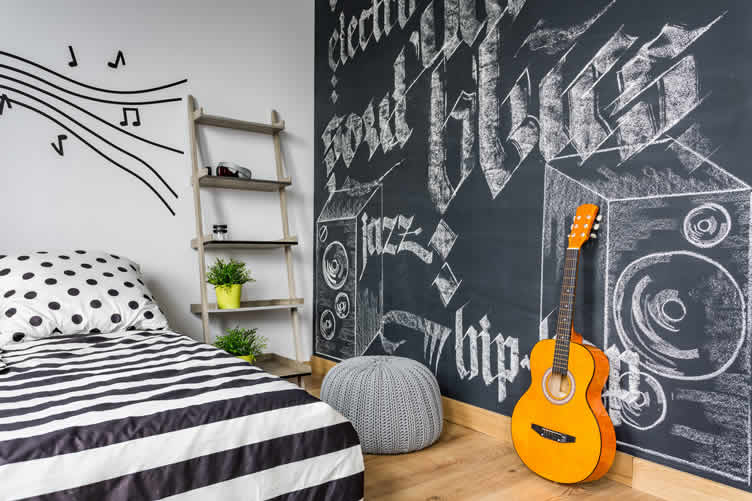
Chalkboard paint can be used in various creative ways around the house. One popular idea is to paint an entire wall in your child’s room. This large canvas offers plenty of space for drawing, writing, and imaginative play.
You can also create smaller, framed chalkboards that can be hung in different areas of the house. These portable boards can be moved around as needed and provide a dedicated space for specific activities like homework or meal planning.
Another fun idea is to paint the inside of cabinet doors in the kitchen or playroom. These hidden chalkboards can be used for grocery lists, recipe notes, or even secret messages. The element of surprise can make everyday tasks more exciting for kids.
Here are some ways you can use chalkboard paint to bring adventure and imagination into your kids’ lives:
- Create a Chalkboard Wall:
Cover one or more walls in a room with chalkboard paint for an instant canvas. Your children can draw, write, and imagine as much as they want without worrying about making a mess. - Make Customized Furniture:
Paint surfaces such as tables, chairs, or toy boxes with chalkboard paint to add a touch of whimsy. Your kids can decorate their furniture however they like, and you can easily change it up whenever you want. - Transform Old Toys:
Turn old or unwanted toys into something new and exciting by painting them with chalkboard paint. Your kids can draw on their favorite toys to create unique characters or stories. - Create a Chalkboard Floor:
Cover your floor with chalkboard paint for a fun and interactive play area. Your children can use their imaginations to draw roads, games, or even hopscotch grids! - Design an Art Gallery Wall:
Use chalkboard paint in different colors to create an art gallery wall in your child’s room. They can display their artwork on the painted walls, and switch it up whenever they want. - Make a Chalkboard Calendar:
Use chalkboard paint to create a monthly or weekly calendar on your wall. Your kids can help you plan out activities and events, and easily make changes as needed. - Design a Themed Room:
Let your kids’ imaginations run wild by using chalkboard paint to create a themed room. From outer space to under the sea, the possibilities are endless. - Host Chalkboard Parties:
Use chalkboard paint on tables or walls for your next birthday party or playdate. Your kids and their friends can have fun drawing, playing games, and leaving messages for each other.
copyright image by 123rf.com
- Encourage Learning:
Use chalkboard paint in a designated area for educational activities like spelling practice, math problems, or even foreign language lessons. Your children will have fun while learning important skills. - Create Personalized Gifts:
Use chalkboard paint to decorate and personalize gifts for family and friends. Your kids can draw or write special messages on the gift, making it extra special. - Organize Your Day:
Use a chalkboard wall or door in your home to keep track of daily tasks and schedules. Your children can help you plan and stay organized, making it a fun family activity. - Use Chalkboard Paint Outdoors:
Create a mini art studio in your backyard by painting an outdoor wall or fence with chalkboard paint. Your kids can let their creativity run wild while enjoying some fresh air. - Host Chalkboard Game Nights:
Turn your coffee table into a game board by using chalkboard paint. Your family can have fun playing games like tic-tac-toe, hangman, or even creating their own game. - Decorate for Holidays:
Use chalkboard paint to create festive decorations for holidays and special occasions. Your kids can draw and write holiday greetings or help you create themed party decorations. - Make a Daily Menu Board:
Use chalkboard paint on a kitchen wall or cabinet door to write out your daily menu. Your kids can help plan meals and get excited about what’s for dinner each night. - Encourage Self-Expression:
Allow your children to express themselves freely by letting them use chalk
[ view images: creative chalkboard wall drawings ]
[ pinterest: creative chalkboard wall design ideas ]
- Create a Chalkboard Wall:
-
-
ideas to view and compare from the information discussed above
Scroll up to directory … or scroll to next section about using chalkboards …


SHARE IT ..! You might have someone in your social network who could find this informative analysis on using chalkboards to foster child development valuable. Feel free to share it on Facebook, Twitter, LinkedIn, or Pinterest!


fourth “photo remodeling” idea
AI generated image by 123rf.com
Chalkboard Tip 4: Chalkboard Wall for Kid Time Management
and Organization
Notes:
-
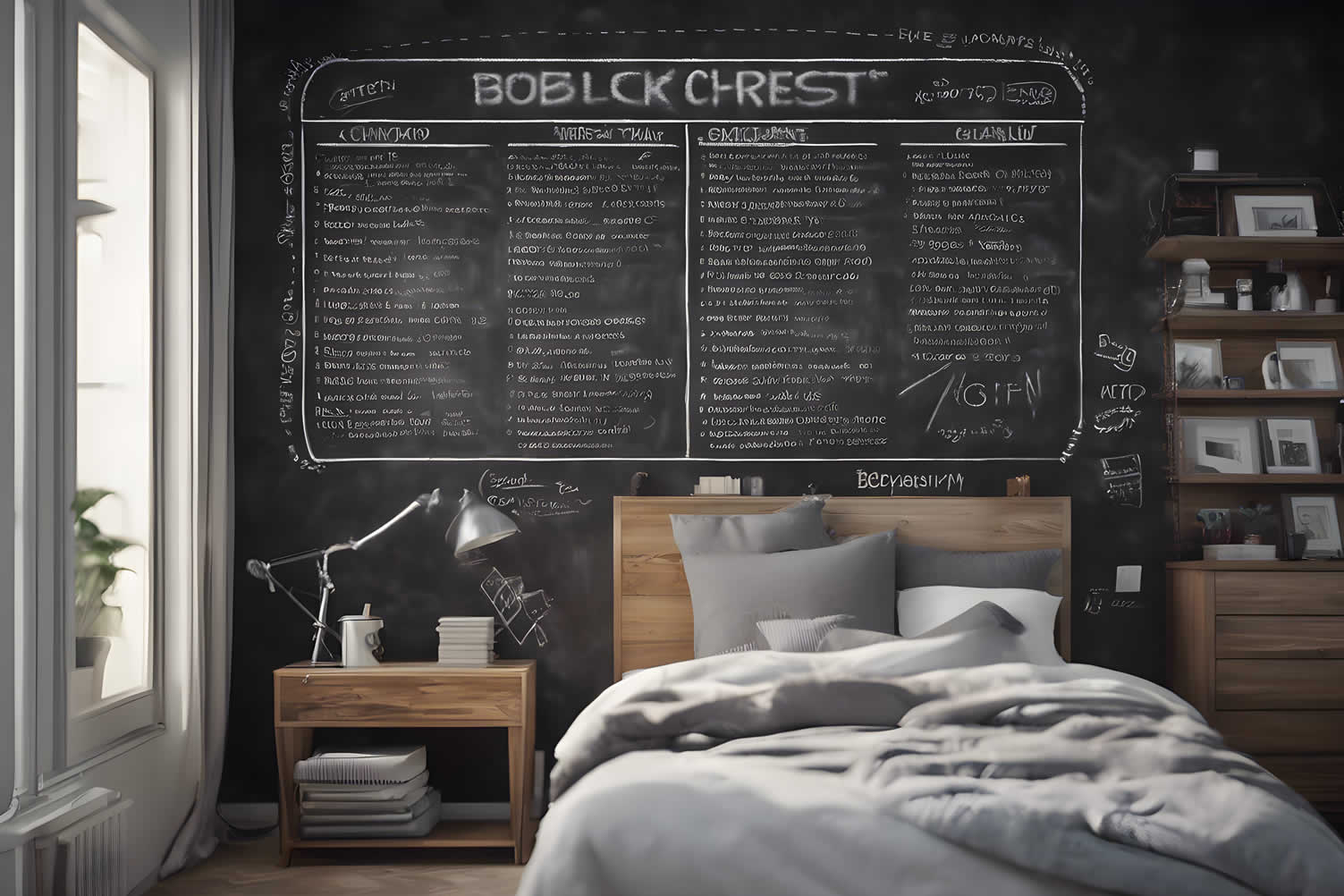
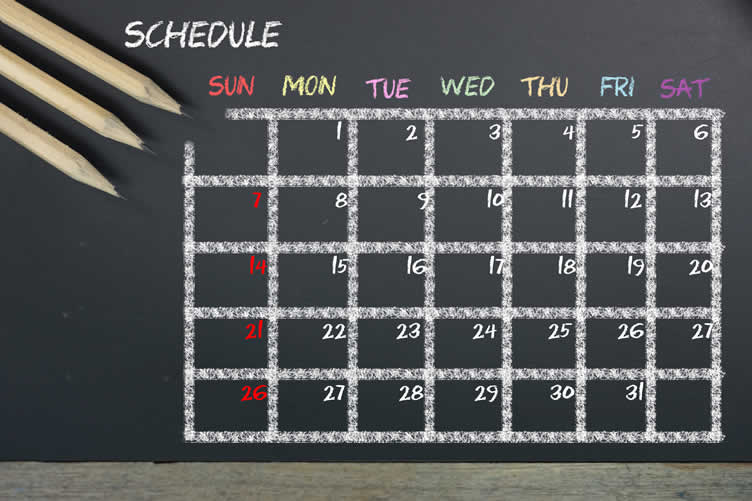
Chalkboard paint can transform any wall or surface into a functional and visually appealing calendar or to-do list, making organization both practical and stylish.
By creating a chalkboard wall calendar, you provide a visual reminder of important events for kids, including dates, appointments, and activities. This hands-on approach helps children better understand the concept of time management and teaches them to keep track of their responsibilities.
They can color-code their schedules, add drawings to signify special occasions, or simply enjoy the process of planning out their weeks. This interactive calendar not only makes it easier for kids to remember important commitments but also encourages a sense of routine and independence.
-
Quick scroll to “time management” side notes …
-
-
1st: Using Chalkboard Calendars for Child Scheduling
A chalkboard calendar can be a game-changer for child organization. Unlike paper calendars that get thrown away, a chalkboard calendar is reusable and eco-friendly. You can customize it to fit your child’s unique schedule and update it easily as plans change.
Having a visible calendar helps kids and everyone in the family stay informed about upcoming events and commitments. This transparency can reduce misunderstandings and ensure that everyone is on the same page.
Chalkboard calendars also add a decorative element to your home. You can choose chalkboard paint that matches your decor and use colorful chalk to highlight important dates. This functional yet stylish addition can make family scheduling more enjoyable.
-
Types of Style Calendars That Can Be Used
- Monthly Calendars:
Ideal for planning long-term events and commitments, monthly calendars provide an overview of the entire month. Use colorful chalk to designate specific categories, like school activities, sports practices, and family outings. - Weekly Calendars:
Perfect for detailed weekly planning, these calendars break down the week into individual days, making it easier to manage daily tasks and appointments. They’re great for tracking weekly routines and shorter-term goals. - Daily Calendars:
For those who need a detailed plan for each day, daily calendars can help organize every hour. This type is beneficial for busy families with hectic schedules or for children who thrive on structured routines. - Activity Calendars:
Designed to track extracurricular activities and social events, these calendars help ensure that no activity is forgotten. They are especially useful for families with multiple children involved in different activities.
- Monthly Calendars:
-
Benefits of a Chalkboard Paint Calendar for Kids
- Enhances Time Management Skills:
A chalkboard paint calendar helps children visually organize their schedule, making it easier to grasp the concept of time. By seeing their day, week, or month laid out in front of them, kids can better understand how to allocate their time for different activities and responsibilities. - Promotes Responsibility:
Having a dedicated space for jotting down tasks and appointments cultivates a sense of responsibility in kids. It encourages them to remember and adhere to their commitments, from school assignments to extracurricular activities. - Encourages Creativity:
Chalkboard paint allows for constant updates and changes, fostering an environment where children can express their creativity. They can use colored chalk to differentiate between types of activities, add drawings to represent events, and personalize their calendar. - Improves Memory:
The act of writing down information enhances memory retention. By actively participating in planning and updating their schedules, kids are more likely to remember their daily tasks and upcoming events. - Builds Routine:
Regularly updating a chalkboard calendar establishes a sense of routine, providing a structured approach to daily, weekly, and monthly activities. This can be particularly beneficial for younger children in developing consistency in their habits. - Family Engagement:
A central calendar encourages family participation in planning and coordination. It allows parents to guide their children through the process and ensures that everyone is on the same page regarding schedules and activities.
- Enhances Time Management Skills:
copyright image by 123rf.com
[ pinterest: using chalkboard wall for family calendar ]
[ youtube: DIY chalkboard calendar ]
-
-
2nd: Creating Effective Chalkboard To-Do Lists for Kids
Creating a chalkboard to-do list for your kids can help them develop organizational skills. Start by dividing the board into sections for different types of tasks, such as schoolwork, chores, and personal goals. This separation makes it easier for kids to prioritize their activities.
Use colorful chalk or chalk markers to make the to-do list visually appealing. Bright colors can capture your child’s attention and make them more excited about completing their tasks. You can also use symbols or stickers as additional visual cues.
Encourage your kids to update their to-do lists regularly. This habit can help them stay on top of their responsibilities and develop a sense of accountability. Offer praise and rewards for completing tasks to reinforce positive behavior.
Creating a to-do list on your kids’ chalkboard wall can be a fun and effective way to help them stay organized. Here are some steps to create an engaging and practical to-do list:
-
Designate Sections:
Divide the chalkboard wall into distinct sections for different categories like schoolwork, chores, and personal goals. This segmentation helps your child focus on specific areas and prioritize their tasks accordingly.
-
Use Colorful Chalk:
Incorporate colorful chalk or chalk markers to make the to-do list more visually appealing. Bright and varied colors can attract your child’s attention and make task completion more enjoyable.
-
Incorporate Symbols and Stickers:
Add symbols or stickers as visual cues for different tasks. For example, a star for chores or a book for schoolwork. These cues can make the list more engaging and easier for younger children to understand.
-
Set Realistic Goals:
Help your child set achievable and realistic goals. Start with simple tasks and gradually increase the complexity as they become more comfortable and confident in managing their responsibilities.
-
Update Regularly:
Encourage your kids to update their to-do list frequently. Regular updates can instill a sense of responsibility and keep them on track with their activities.
-
Celebrate Accomplishments:
Offer praise and small rewards for completing tasks. Celebrating accomplishments can reinforce positive behavior and motivate your child to stay organized.
By following these steps, you can create a functional yet fun to-do list on your kids’ chalkboard wall, helping them develop essential organizational skills in a creative way.
AI generated image by 123rf.com
[ pinterest: chalkboard wall to-do list ]
[ youtube: how to paint a DIY to do list ]
-
-
3rd: Chalkboard Paint: The Ultimate Homework Buddy
Creating a homework-friendly environment in your kids’ and teens’ rooms can significantly improve their academic performance and organizational skills.
One innovative method is using chalkboard paint to transform a section of their wall into an interactive and versatile learning tool. This setup not only adds a fun element to their room but also provides multiple functionalities to enhance their study habits.
-
Visual Learning Aid
Chalkboard walls serve as an excellent visual learning aid. Children can write mathematical equations, draw diagrams, and jot down key points from their lessons. The large writing surface allows them to visualize complex problems and map out their thought processes without the constraints of traditional paper sizes.
-
Task Management
A chalkboard wall can be a dynamic and engaging task management system. Teens can write down their homework assignments, upcoming tests, and project deadlines. Keeping this information in a visible and frequently updated manner can reduce the likelihood of forgetting important tasks and help in planning study sessions more effectively.
-
Creative Expression
Encouraging creativity alongside academic work can make homework sessions more enjoyable. Kids can doodle, sketch, and personalize their chalkboard, making the learning environment less intimidating. This creative outlet can reduce stress and provide a balanced approach to studying.
-
Group Study Sessions
For group study sessions, a chalkboard wall turns into a collaborative tool. Friends can use it to brainstorm ideas, solve problems together, and explain concepts to each other. This kind of active participation can foster a deeper understanding of the material and make learning a more social and interactive experience.
-
Goal Tracking
Setting and tracking goals becomes simpler with a chalkboard wall. Kids and teens can outline their study schedules, track their progress, and set milestones. The act of erasing completed tasks and writing down new ones can be highly satisfying and encourage a sense of accomplishment.
By integrating a chalkboard wall into your kids’ and teens’ rooms, you introduce a multi-functional asset that makes homework more interactive and enjoyable. This can lead to better academic results and instill lifelong organizational and study skills.

copyright image by 123rf.com
[ pinterest: chalkboard for home study ]
[ youtube: organize a homework station ]
-
-
-
ideas to view and compare from the information discussed above
Scroll up to directory … or scroll to next section about using chalkboards …

Budgeting Worksheet For Costing Home Remodeling and Home Improvement Decisions
 File Type (excel)


Find Walls & Ceiling Services (opens new win) Drywall Installation Ceilings Painting & Texturing Tile top-rated, pre-screened local contractors Wallcoverings Ceilings – Fans Walls – Exterior Walls – Interior FREE: download contractor selection enter zip code – powered by HomeAdvisor ™
Quick Contractor Guides selecting negotiating working with inspecting

fifth and last “photo remodeling” idea

AI generated image by 123rf.com
Chalkboard Tip 5: Real-Life Examples and Testimonials
Notes:
-
To provide a clearer understanding of the benefits, let’s delve into some real-life examples and testimonials that highlight the positive impact of having a chalkboard wall in kids’ and teens’ rooms.
These stories will showcase how a simple chalkboard wall can foster creativity, enhance learning, and provide a fun and interactive space for children to express themselves.
Whether used for doodling, practicing math problems, or creating to-do lists, a chalkboard wall can become a cherished feature in any young person’s room, encouraging both educational and personal growth.
-
Quirk scroll to topic "examples and testimonial" side notes …
-
-
1st: Showcase of Homes and Spaces Utilizing Chalkboards
Many families have successfully integrated chalkboards into their homes with fantastic results. One family painted an entire wall in their kitchen with chalkboard paint, turning it into a central hub for meal planning, grocery lists, and family messages.
This addition not only improved their organization but also became a fun, interactive space for everyone to enjoy.
Another family created a chalkboard wall in their playroom, where their kids could freely express their creativity. The parents noticed that their children spent more time drawing and less time on electronic devices, which was a significant benefit.
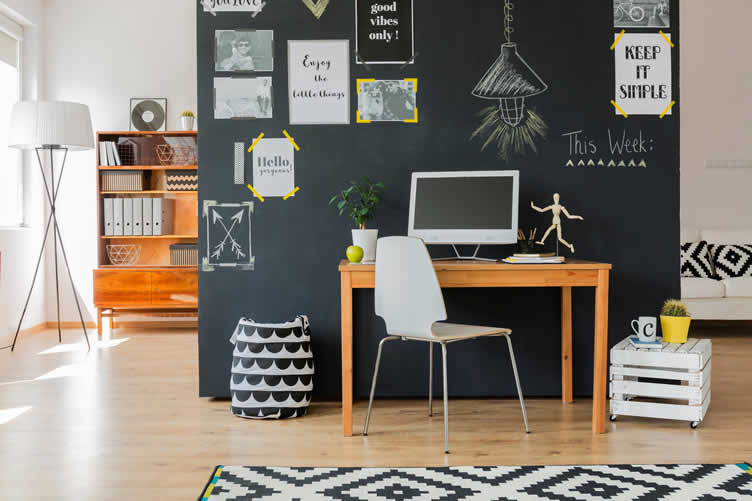
A teacher turned a section of her home office into a chalkboard wall for her homeschooling sessions. She found that her students were more engaged and excited about learning when they could write and draw on the board.
copyright image by 123rf.com
[ pinterest: using chalkboard painted wall ]
[ youtube: watch this before you paint a chalkboard ]
-
2nd: Testimonials on the Impact of Chalkboards
Parents and children alike have shared positive feedback about their experiences with chalkboards. One mother said, "The chalkboard wall in our kitchen has revolutionized our family communication. We use it for everything from meal planning to leaving sweet notes for each other."
A father mentioned, "Our chalkboard calendar keeps us all on track. My kids love updating it with their activities, and it’s helped them understand the concept of time management."
Children have also expressed their enthusiasm for chalkboards. One child said, "I love drawing on my chalkboard wall. It’s like having a giant canvas where I can create anything I want."
Another child shared, "The to-do list on my chalkboard helps me remember what I need to do every day. It’s fun to check things off."
- "Since installing a chalkboard wall in my daughter’s room, she has become more engaged and motivated to study. The creative outlet it provides has made her homework sessions less stressful and more fun!" – Sarah, mother of two
- "As a teacher, I have seen firsthand the positive effects of incorporating a chalkboard wall into study spaces. It encourages collaboration, creativity, and organization among students." – Ms. Johnson, 8th grade teacher
- "I used to dread studying for exams until I turned my bedroom wall into a chalkboard. Now, I can visualize my goals and track my progress easily
AI generated image by 123rf.com
-
-
FINAL REMARKS
Chalkboards and chalkboard paint offer a versatile and engaging way to enrich your child’s environment. From sparking creativity and enhancing education to teaching responsibility and improving organization, the benefits are numerous.
By incorporating chalkboards into your home, you can create a space that fosters imagination and helps your family stay organized.
Don’t just take our word for it—try it out for yourself! Share your chalkboard projects and ideas with us and see firsthand the positive impact they can have on your daily life.
Whether you’re a parent looking to inspire your child’s creativity or a DIY enthusiast seeking a new project, chalkboards are a fantastic addition to any home.
-
ideas to view and compare from the information discussed above
- What comments can you share about
using chalkboards?
Scroll up to directory … or scroll to more home interior-related topics …

Calendar For:
Home Maintenance
File Type:
view illustration “becoming a bank”

Cover image credit: using chalkboards by 123rf.com
end of post … please share it!
 |
did you find using chalkboards to foster child growth analysis helpful? If so, please share the article with your friends and family! |
Nice pic idea? Leave us a quick comment below.
And please share this pic idea within your social networks.