Summary Outline –
Every parent aspires to see their child succeed—it’s a universal desire. That journey starts with cultivating a space that fosters growth and ignites curiosity, such as a thoughtfully designed study room.
By fostering a love of learning and crafting a home designed to encourage creativity and exploration, you can set the stage for your child’s development.
With thoughtful design choices and strong parenting skills, you can empower your kids to learn, research, create, and ultimately thrive.

-
Quick scroll to first topic about designing study room … or review summary content

Content Summary
section directory1st Study Room: [view section]
… we begin this exploration of study room design by first emphasizing the importance of learning. The key question is: how can you create an environment that nurtures your child’s education, fostering both their physical and mental development?
2nd Study Room: [view section]
… there are many ways to inspire a love for learning in children. One effective approach is creating a cozy, inviting reading nook or a beautifully decorated space dedicated to books. This works well for both toddlers and school-age children, fostering an early interest in education.
3rd Study Room: [view section]
… we aim to shift from simply promoting reading to inspiring research that fosters balance. Discover ways to create a space where online and offline interactions can coexist harmoniously and be equally enjoyable.
4th Study Room: [view section]
… the fourth section focuses on nurturing creativity in your children. This can be achieved by designing a bedroom that encourages creative skill-building, featuring elements like a chalkboard wall and other tools to inspire imaginative thinking.
5th Study Room: [view section]
… instilling a love for reading, research, and creative thinking in your child from an early age is crucial. As they grow older and reach high school, it becomes the perfect time to create a "success room" for them—a dedicated space where they can strategize, plan, and dream. This room will serve as a foundation for developing the skills and mindset needed to pursue higher education and build a promising career.
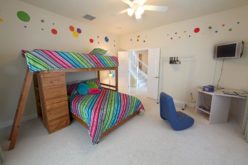
first “designing study room” idea


copyright image by 123rf.com
Study Room 1: The Important of Learning
Notes:
-
Parenting is one of life’s most rewarding and challenging roles. As parents, we hold the incredible responsibility of shaping our children’s early experiences and guiding them toward becoming curious, confident, and lifelong learners.
Education is not limited to the classroom—much of your child’s growth stems from the environment you create at home and the experiences you share together. By incorporating thoughtful strategies and fostering an atmosphere that prioritizes learning, you can ignite a passion for knowledge in your children that will serve them well throughout their lives.
The following tips are designed to help you encourage your child’s education in simple yet impactful ways. From creating a stimulating environment to nurturing their curiosity and creativity, these strategies will equip you with practical ideas to inspire your child’s educational development.
-
Quick scroll to “education importance” side notes …
-
-
1st: Fostering Education in Your Children
Education forms the foundation of a successful, well-rounded individual and is one of the greatest gifts a parent can provide. Fostering a love of learning in your children from an early age helps them cultivate curiosity, critical thinking, and confidence that will serve them throughout their life.
This guide will explore practical, evidence-based strategies to nurture education and empower your child’s intellectual growth within a supportive home environment.
[ view summary table: fostering education ]
-
Creating a Positive Learning Environment at Home
A positive learning environment begins with setting a tone of encouragement and curiosity at home. Children thrive in a space where learning feels natural and where they can explore without fear of judgment.
Providing a quiet, dedicated area for studying with access to books, supplies, or creative materials can significantly enhance focus and productivity.
Researchers from Harvard’s Center on the Developing Child emphasize the importance of safe, nurturing environments in fostering cognitive development and problem-solving skills.
Additionally, maintaining consistent routines around learning breaks down larger goals into manageable steps, encouraging steady progress.
-
Showing Genuine Interest in Their Education
Children are highly perceptive and often mirror the enthusiasm or disinterest shown by their caregivers. Expressing genuine curiosity about what they are learning at school reassures them that their education matters.
Ask about their favorite subjects, celebrate their achievements, and remain supportive during challenges. Studies in child psychology have consistently shown a link between parental involvement and improved academic performance.
By staying actively connected with their education, you demonstrate its importance while building trust and communication.
-
Modeling a Love of Learning
Parents who visibly value education and intellectual pursuits create a powerful example for their children. Children are more likely to value education if they see you reading, exploring new ideas, and expressing curiosity.
Share what you are learning and discuss interesting topics together. Demonstrating that learning is a lifelong endeavor reinforces the idea that education doesn’t stop at school—it remains a lifelong pursuit.
This modeling reinforces a growth mindset, which research from Stanford University underlines as essential for resilience and adaptability in education and beyond.
-
Reading Together Often
Reading is a gateway to knowledge and fosters imagination. Setting aside time to read with your children encourages literacy, comprehension, and critical thinking.
Whether it’s bedtime stories for younger children or discussing novels for older ones, cultivating a love for books builds a habit that pays lifelong dividends.
The National Literacy Trust highlights that children who are read to regularly at home are significantly more likely to perform well academically and develop complex language skills.
-
Encouraging Questions and Exploration
Curiosity is the heart of learning. Children who feel comfortable asking “why” or exploring new concepts gain deeper understanding and confidence in their ability to learn.
Foster an environment where questions are welcomed and explored together. Use tools such as documentaries, museum visits, or hands-on science experiments to nurture their natural sense of wonder.
According to reports by the American Psychological Association, inquisitive children tend to show higher academic success and stronger problem-solving skills.
-
Allow for Autonomy and Choice
Let children choose some of their own books, projects, or ways to tackle assignments. Giving kids the freedom to make these decisions allows them to explore their interests and develop a sense of ownership over their education.
When kids have a say in their learning, they feel more motivated and invested in the process, which can lead to better engagement and a deeper understanding of the material.
This approach not only builds confidence but also helps nurture critical thinking and decision-making skills.
-
Setting Goals and Celebrating Effort
Goals help children develop focus and determination. Collaborate with your child to set achievable academic and personal goals, building in milestones to track progress.
Avoid placing undue pressure on results alone; instead, celebrate the effort they display in working toward these benchmarks.
Research shows that praising perseverance and hard work nurtures intrinsic motivation, which is critical to sustained success.
-
Communicate High (but Realistic) Expectations
Express belief in your child’s abilities while also offering support when they face challenges. Let them know that you have confidence in their potential and that it’s okay to struggle—it’s all part of the learning process.
Setting high but achievable expectations, combined with consistent encouragement, helps motivate children to put in their best effort.
By creating this balance of belief and support, you not only build their confidence but also teach them the value of perseverance and growth.
-
Making Learning Fun and Interactive
Learning doesn’t always have to be formal. Engage your children with interactive activities such as educational games, puzzles, and creative projects.
Incorporating movement, play, and experimentation into lessons also helps younger learners grasp new concepts.
Studies on active engagement in education highlight that children retain information better when it is fun, practical, and tied to real-life applications.
-
Stay Involved with Teachers and School
Keep communication open with teachers and the school community to stay engaged in your child’s education. Attend parent-teacher conferences, school events, and volunteer when possible to build a strong connection with their school environment.
Help with homework by guiding them through tough assignments and encouraging problem-solving, without doing the work for them.
Take time to ask questions about what they’re learning and show interest in their progress, fostering a positive attitude toward education.
-
Recognize and Reward Effort
Consistently offer sincere praise for qualities like diligence, curiosity, and resilience. Acknowledging specific efforts, such as completing a challenging task or asking thoughtful questions, makes praise more meaningful and impactful.
Positive reinforcement not only fosters confidence but also nurtures a lasting love of learning by helping children associate effort with achievement.
When children feel supported and empowered, they are more likely to view education as meaningful, enjoyable, and rewarding.
This positive mindset motivates them to fully engage in the learning process, embrace challenges, and develop the skills they need to succeed both in and outside the classroom.
Key Strategies Details Creating a Positive Learning Environment Set an encouraging tone at home with a dedicated study area, consistent routines, and access to materials that foster focus and productivity. Showing Genuine Interest in Their Education Celebrate achievements, remain supportive during challenges, and actively engage in discussions about their learning to show its importance. Modeling a Love of Learning Demonstrate curiosity and a commitment to learning by sharing new ideas, reading, and exploring topics together to instill a growth mindset. Reading Together Often Encourage literacy by reading with children and discussing stories or books, fostering critical thinking and comprehension skills. Encouraging Questions and Exploration Create an environment where curiosity is welcomed, using activities like experiments or museum visits to inspire their sense of wonder. Allow for Autonomy and Choice Enable children to choose books or projects, fostering a sense of ownership, motivation, and critical decision-making skills. Setting Goals and Celebrating Effort Collaboratively set achievable goals, focus on effort rather than just results, and celebrate perseverance to build motivation. Communicate High (but Realistic) Expectations Express confidence in your child’s potential while supporting them through challenges, teaching resilience and perseverance. Making Learning Fun and Interactive Use educational games, puzzles, and creative projects to make learning engaging and tie concepts to real-life applications. Stay Involved with Teachers and School Maintain regular communication with teachers, participate in school events, and guide homework efforts to foster a positive learning connection. Recognize and Reward Effort Offer specific praise for diligence and resilience to foster confidence, promoting an association between effort and achievement. 


AI generated image by 123rf.com
view post from our companion site: (sayeducate.com new win)
How To Nurture Your Child’s Growing Brain[ pinterest: children education ]
[ youtube: Early Childhood Education ]

-
-
2nd: Exploring Educational Options for Your Child
Parents today have access to a diverse array of educational choices, each tailored to different learning philosophies, family values, and needs. Understanding these options is critical in ensuring children receive the best possible education for their unique circumstances.
Below, we will explore various schooling pathways, outlining their features, advantages, and potential challenges.
[ view summary table: types of schools ]
-
Traditional Public Schools
Traditional public schools are government-funded and serve the local community, providing free education to all children within the district. They follow state-mandated curricula and are staffed by certified educators.
One of the primary benefits of public schools is their accessibility and diversity, offering a comprehensive education to students from various backgrounds. Additionally, they often provide extracurricular programs and services, such as meals, special education resources, and transportation.
However, public schools may face challenges related to class sizes, varying quality across districts, and funding disparities that can impact resources and programs. Families considering public school should review their local district’s performance and offerings.
-
Charter Schools
Charter schools are publicly funded but operate independently of the traditional public school system, often with greater flexibility in curricula and teaching methodologies. They are commonly mission-driven, focusing on innovative approaches to education or serving specific community needs.
Charter schools often provide specialized programs, such as STEM initiatives or arts-focused instruction, and may foster a stronger sense of community involvement.
However, not all charter schools achieve high academic outcomes, and they sometimes face criticism for a lack of oversight compared to traditional public schools. Admission may also be competitive, involving lotteries or application processes.
-
Magnet Schools
Magnet schools are public institutions offering specialized curricula or themes, such as science, technology, engineering, math (STEM); performing arts; or international studies.
They are designed to attract students from diverse geographic areas and often provide rigorous academic programs.
Magnet schools are known for fostering high achievement and encouraging an enriched learning environment. However, entry is typically competitive, requiring applications and sometimes assessments.
Geographic and economic barriers may also limit accessibility for some families.
-
Private Schools
Private schools operate independently of public funding, relying on tuition and donations for financial support.
These institutions frequently offer smaller class sizes, individualized attention, and unique educational approaches aligned with their missions, such as religious instruction or advanced academic programming.
The benefits of private schooling include tailored learning experiences, higher teacher-to-student ratios, and access to specialized resources. Yet, the high cost of tuition can be a barrier for many families, and acceptance may depend on competitive entrance criteria and family resources.
-
Homeschooling
Homeschooling involves families taking direct responsibility for their children’s education, typically crafting personalized curricula and providing instruction at home.
This approach allows tremendous flexibility, accommodating unusual schedules, unique learning needs, or particular interests.
Homeschooling enables parents to integrate family values into learning and foster one-on-one engagement. However, it requires significant time, planning, and resources from caregivers, and children may have fewer socialization opportunities than in traditional school settings unless supplementary group activities are sought.
-
Microschools and Learning Pods
Microschools and learning pods are small, community-based educational settings often formed by groups of families or educators.
These arrangements became increasingly popular during the COVID-19 pandemic, providing customized education in intimate settings.
The benefits of these models include highly individualized learning experiences and shared costs among participating families. However, availability of resources may be limited, and substantial coordination among families is required to maintain structure and balance.
-
Special Education Schools
Special education schools focus on serving students with disabilities or specific educational needs that may not be adequately addressed in general education settings. These schools employ specialized educators and provide tailored programs to help children thrive academically, socially, and emotionally.
The strength of special education schools lies in their capacity to provide highly supportive environments, yet accessibility can be limited due to location, funding, or private tuition requirements.
Understanding a child’s rights under educational law, such as the Individuals with Disabilities Education Act (IDEA), can help families explore available options.
-
Other Educational Institutions
Other specialized schools may include online schools, international schools, Montessori schools, or Waldorf schools. These alternatives often cater to families seeking unique curriculum approaches, such as student-led learning or cross-cultural education.
Each of these options has unique advantages and challenges. Online schools, for example, offer flexibility for families requiring mobility, yet may lack the social aspect of in-person instruction.
Montessori and Waldorf schools encourage creative and independent learning but may have limited availability or high costs.
Type of School Key Advantages Potential Challenges Traditional Public Schools Accessible, diverse, free-of-cost, offer extracurriculars Varied quality, larger class sizes, funding disparities Charter Schools Innovative programs, community-driven, no tuition Lack of oversight, inconsistent quality, competitive entry Magnet Schools Specialized curricula, rigorous academics, diverse student body Competitive entry, limited geographic access Private Schools Smaller class sizes, tailored education, unique curricula High tuition, selective admission Homeschooling Flexible, personalized education, family values-centric Time-intensive, resource-demanding, limited socializing Microschools and Learning Pods Customizable, shared resources, intimate settings Resource limitations, coordination demands Special Education Schools Specialized staff, tailored programs, supportive environment Limited access, cost, geographic barriers Other Schools Unique curricula, flexible options, cultural education Costs, limited availability, commitment to niche methods 
copyright image by 123rf.com
[ view diagram: types of schooling]
[ youtube: Types of Schools in K-12 Education]
-
-
3rd: Managing and Controlling Your Child’s Use
… of online devices for better educational outcomes
Modern technology is an integral part of education, offering vast resources and opportunities for learners of all ages. However, uncontrolled access to online devices can lead to distractions, reduced academic performance, and even negative mental health impacts.
Managing your child’s use of online devices is not about restriction; it’s about balance, intention, and creating a supportive environment. Below, we explore proven strategies to ensure technology is a constructive force for your child’s education.
[ view summary table: managing online use ]
-
Establishing Healthy Boundaries
One of the first steps in managing online device usage is setting clear, consistent boundaries. These boundaries should define when, where, and how devices can be used.
For example, designating specific times for educational use, such as homework or research, helps eliminate unnecessary distractions.
It can also be beneficial to have device-free zones in the home, such as during meals or in bedrooms, to encourage healthy habits and reduce potential overuse.
-
Utilizing Parental Control Tools
Technology itself offers a wide variety of solutions to help parents manage device use efficiently. Parental control apps and settings can monitor screen time, block inappropriate content, and schedule device access.
Tools such as Apple’s Screen Time, Google’s Family Link, and third-party applications like Qustodio and Bark allow parents to adjust settings that align with their household rules.
These tools empower parents to exert flexibility while ensuring a safe and distraction-free online experience for their children.
-
Encouraging Open Communication
Building trust and understanding with your child is essential for managing their device usage. Talk openly with them about the potential dangers of excessive screen time, cyberbullying, and exposure to harmful content.
Encourage your child to share their online experiences with you while discussing healthy ways to use the internet for educational purposes. Collaborative approaches are more effective than authoritarian rules in ensuring that children make informed, self-regulated decisions.
-
Fostering Engaging Offline Activities
To prevent over-reliance on devices, parents should provide engaging alternatives to online entertainment. Encourage outdoor play, creative hobbies like drawing or music, and family activities to reduce screen dependency.
An active lifestyle fosters not only better focus during education-related online sessions but also better mental and physical health.
-
Leveraging Educational Technology
Not all screen time is created equal. Introduce your child to educational apps and platforms that enrich their learning experience, such as Khan Academy, Duolingo, or Google Classroom.
These technologies allow them to stay engaged while focusing on academic growth. Ensure that such platforms are appropriate for their age and align with their scholastic goals.
-
Monitoring and Adjusting Over Time
Monitoring how your child interacts with devices is crucial to their long-term academic success. Keep track of their progress and adjust limits as they grow older and gain more responsibility.
Periodically reviewing their usage patterns helps ensure the boundaries set are still the most effective for their specific needs.
Strategy Description Establishing Healthy Boundaries Set clear, consistent rules for when, where, and how online devices can be used. Introduce device-free zones and encourage specific times for educational use. Utilizing Parental Control Tools Leverage apps like Apple’s Screen Time, Google’s Family Link, or Qustodio to monitor and limit usage, block inappropriate content, and schedule access. Encouraging Open Communication Engage in discussions with your child about the risks of excessive screen time and online dangers. Build trust for collaborative, informed decision-making. Fostering Engaging Offline Activities Promote activities like outdoor play, creative hobbies, and family time to reduce dependency on screens and encourage a balanced lifestyle. Leveraging Educational Technology Introduce age-appropriate educational apps, such as Khan Academy or Duolingo, to enrich learning while ensuring alignment with academic goals. Monitoring and Adjusting Over Time Regularly review your child’s usage patterns and adjust boundaries to match their developmental stage and responsibilities. 
copyright image by 123rf.com
[ pinterest: controlling screen time]
[ youtube: Parental Control App for Screen Time Limit]
-
-
-
ideas to view and compare from the information discussed above
books: child educationhomeschool curriculumhomeschool planner
Scroll up to directory … or scroll to next section about designing a child study room …

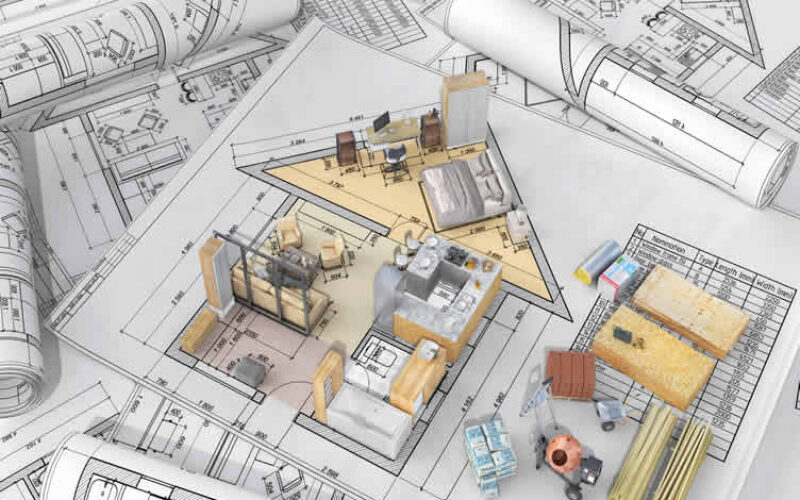

… starting with setting up a reading room or nook




Download this PDF for a concise summary of all you need to know about …?




second “photo remodeling” idea

copyright image by 123rf.com
Study Room 2: Encouraging a Love for Reading
Notes:
-
In today’s digital age, encouraging children to read can feel like an uphill battle. With the allure of screens dominating their attention, books often take a backseat. However, reading remains an essential skill that nurtures imagination, builds vocabulary, and strengthens critical thinking.
One effective way to cultivate a passion for books is by creating a designated reading space tailored to your child’s interests. A personalized, cozy reading area can transform the act of reading into an enjoyable and cherished experience.
-
Quick scroll to “love or reading” side notes …
-
-
1st: Designing a Reading Space for Toddlers
Introducing toddlers to the joy of reading begins by creating an inviting and stimulating environment where they feel excited and comfortable. A well-designed reading space can set the stage for fostering a lifelong love of books while supporting their cognitive and emotional development.
Ensuring the space is safe, appealing, and functional for toddlers is crucial to making reading a regular and enjoyable part of their daily routine.
[ view images/summary table: toddler reading space ]
-
Choose Comfortable and Toddler-Sized Furniture
Comfort is key when designing a reading space for toddlers. Look for soft cushions, beanbags, or small armchairs that are specifically designed for their size.
Providing furniture that is perfectly suited to toddlers makes it easier for them to feel at home in the area, encouraging them to stay and explore books. Low shelves or book bins within their reach are essential so they can easily select their favorite stories without frustration or needing help.
-
Bring Books to Life With Themes
A creative way to engage toddlers is by theming the reading space around their interests. Consider themes like animals, outer space, or nature, and incorporate décor, colors, and props that reflect these ideas.
For instance, a jungle-themed space might include green and earthy tones, plush animal toys, and bookshelves styled like tree trunks. Connecting the design to their interests makes the reading area captivating and fuels their natural curiosity.
-
Use Soft Lighting for a Cozy Ambiance
Toddlers are especially sensitive to their surroundings, so soft and soothing lighting creates a calm and welcoming atmosphere. Lamps with warm light, fairy lights, or LED string lights shaped like stars or clouds can make the space enchanting without overwhelming young children.
Avoid overly bright or direct lighting, as it can make the space feel less relaxing and may deter them from spending time there.
-
Incorporate Interactive Elements
Toddlers have short attention spans, so adding interactive elements to the reading area can help maintain their interest. Consider including tactile items such as felt boards, textured rugs, or fabric books that they can touch and play with.
Another idea is to hang a small Corkboard or magnetic whiteboard where they can pin pictures of their favorite book characters or practice storytelling using pictures and magnets.
-
Ensure Safety and Accessibility
Safety should be the primary consideration when creating any toddler space. Opt for rounded-edge furniture, non-slip mats, and ensure that everything is securely fastened to avoid accidents.
Keep cords or breakable items out of reach, and do a final inspection from a toddler’s perspective to identify potential hazards. Accessibility is equally important, as toddlers should feel that they can freely explore the space without needing constant supervision.
-
Add Personal Touches
Personalizing the reading area helps toddlers feel a sense of ownership. You could include their artwork or photos on the walls, pick out colorful bookends in their favorite shapes, or decorate the shelves with items that reflect their personality.
Small touches like these make the space uniquely theirs, encouraging a positive association with reading.
-
Infuse Natural Elements
To make the reading space more serene and inviting, incorporate natural elements such as potted plants, wood accents, or soft, nature-inspired hues. Not only do these features add warmth to the space, but they also contribute to creating a balanced environment conducive to relaxation and focus.
Creating a reading area tailored to the specific needs of toddlers requires thoughtfulness and attention to detail. When a child feels that their reading space is made just for them, it fosters curiosity, strengthens their love for books, and nurtures early learning.
Aspect Description Comfortable and Toddler-Sized Furniture Include soft cushions, small armchairs, and furniture suited to toddlers, along with low shelves or book bins for easy access to books. Themed Reading Space Create themes based on the child’s interests, like animals or nature, using matching décor, colors, and props to inspire engagement. Soft Lighting Use warm and soft lighting, such as fairy lights or lamps, to create a cozy and calm atmosphere while avoiding harsh lighting. Interactive Elements Add tactile items like felt boards, textured rugs, or fabric books, and interactive boards for creative play and storytelling. Safety and Accessibility Ensure safety with rounded-edge furniture, non-slip mats, and secure fixtures. Keep the area hazard-free and accessible for independent exploration. Personal Touches Customize the space with the child’s artwork, unique bookends, and décor that reflects their personality to create a sense of ownership. Natural Elements Introduce elements like potted plants, wood accents, or nature-inspired colors to add warmth and a serene ambiance to the space. 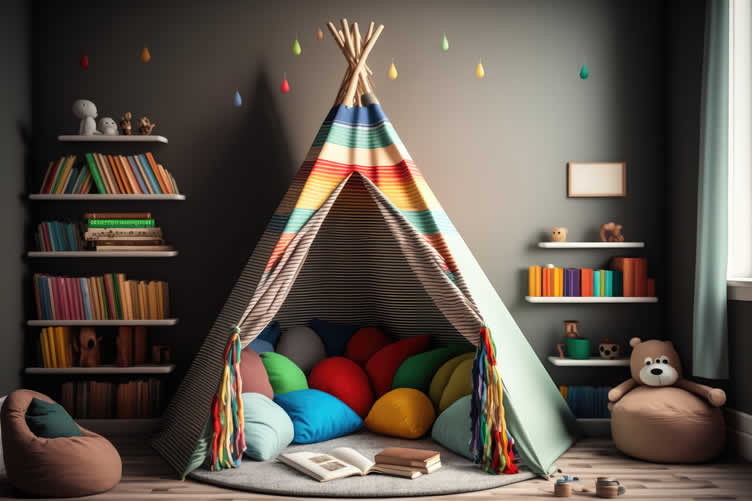
copyright image by 123rf.com
[ pinterest: toddler reading area ]
[ youtube: 12 Ideas For Creative Reading Spaces ]
-
-
2nd: Reading Space for School-Age and Pre-Teen Children
Creating a reading space for school-age and pre-teen children requires a thoughtful blend of functionality, creativity, and comfort. At this stage, children are developing more nuanced preferences and are increasingly drawn to spaces that reflect their individuality and interests.
A well-designed reading area can foster a lifelong love for books, encourage focus, and provide a calming retreat amidst busy schedules. Here is an expert approach to designing such spaces, considering essential elements that will cater to both their developmental needs and personal tastes.
[ view images/summary table: school-age reading space ]
-
Comfortable Seating Areas
Comfort is the foundation of any space meant for extended reading. Select seating options such as bean bags, cushioned chairs, modular sofas, or even cozy window seats.
Allow for flexibility by including movable seating options that give children the ability to adjust their space as needed.
Adding soft throw blankets and accent pillows can make the environment even more inviting while still functional. Ensuring proper back support and a relaxed posture is key to encouraging longer reading sessions.
-
Engaging and Age-Appropriate Bookshelves
Choose bookshelves or storage units that are easily accessible and visually appealing. Open shelving may work best, as it invites self-exploration and discovery.
Consider innovative designs like tree-shaped or ladder-style bookshelves, which double as décor and practical storage. Include ample space for school-aged children to organize not just books but also magazines or learning materials.
Labeling or color-coding the shelves can add an educational touch while promoting organization skills.
-
Incorporating Motivational Décor
Use inspiring and imaginative elements to decorate the reading space. Wall art featuring literary quotes, posters of beloved characters, or even chalkboards for writing favorite passages add a personal and motivating touch.
Fairy lights and LED string lights can create a whimsical mood, while bold, themed wall decals (e.g., galaxies, forests, or magical settings) foster creativity. It’s essential to involve the children in selecting these elements to ensure the space aligns with their personality and interests.
-
Ambient Lighting to Set the Mood
Proper lighting plays a crucial role in the functionality and atmosphere of the reading space. Ensure there is enough natural light during the day by placing the space near a window, while also incorporating adjustable artificial lights like desk lamps or wall-mounted reading lights.
Warm lighting is preferable to promote relaxation, but task lighting can help with focused reading. Dimmable lighting systems are ideal for creating the perfect reading mood.
-
A Touch of Personalization
School-age and pre-teen children appreciate having a sense of ownership in their spaces. Personalization can be achieved by including their artwork, name signboards, favorite book covers in frames, and custom elements such as reading nooks designed around their hobbies or interests.
You could also provide a corkboard for pinning up memories, reading lists, or inspirational quotes. Allowing them to participate in designing the space not only makes it unique but ensures it’s a place they’ll feel connected to.
-
Enhanced Organization with Multi-Purpose Solutions
Maintaining a clutter-free reading environment is essential for focus. Invest in multi-purpose furniture like ottomans with hidden storage, storage cubbies, or desks with built-in shelves.
Consider separate sections for their books, schoolwork, and hobbies to encourage organization skills. Use baskets or fabric storage bins for additional storage while maintaining aesthetic appeal.
Element Description Comfortable Seating Areas Include options like bean bags, cushioned chairs, and window seats for flexibility and comfort. Add blankets and pillows for a cozy touch while ensuring proper back support. Engaging and Age-Appropriate Bookshelves Opt for accessible and visually appealing shelves, such as tree-shaped or ladder-style designs. Use them to organize books, magazines, and learning materials, with optional labeling or color-coding for added organization. Incorporating Motivational Décor Decorate with literary quotes, wall art, character posters, or chalkboards. Add whimsical elements like fairy lights or themed decals to encourage creativity and reflect the child’s personality. Ambient Lighting Combine natural light with adjustable artificial lighting such as desk lamps or dimmable systems. Use warm lighting for relaxation and task lighting for focused reading. A Touch of Personalization Personalize the space with the child’s artwork, custom elements, and hobby-related designs. Include boards for pinning memories or inspirational quotes to foster a sense of ownership. Enhanced Organization Utilize multi-purpose furniture with storage, like ottomans or desks with shelves. Create separate sections for books, schoolwork, and hobbies, and use storage bins or baskets to maintain tidiness. 
copyright image by 123rf.com
[ view diagram: getting older kids to read ]
[ youtube search: how to encourage kids to read ]
-
-
3rd: Types of Books to Enrich Your Reading Room
… and maintaining organization
Creating a nurturing reading environment for children begins with curating the right selection of books and implementing thoughtful organization to ensure the space remains inviting and functional.
A well-structured reading room not only fosters a love for reading but also encourages responsibility and care for shared spaces.
[ view summary table: types of books ]
-
Fiction for Imagination and Creativity
Include a variety of fiction books, such as classic tales, modern novels, and fantasy adventures. Stories with compelling narratives and relatable characters can spark imagination and encourage creative thinking in children.
To keep the fiction section organized, group these books together by age-appropriateness or genre. Use dedicated shelves with clear labels, like "Fantasy" or "Classics," and encourage children to return books to their assigned spots after use.
Rotating book selections periodically can also keep the collection fresh and engaging.
-
Non-Fiction for Learning and Exploration
Non-fiction books are essential for developing curiosity and understanding of the world. Consider adding books on science, history, nature, and biographies of inspiring individuals.
Non-fiction books often work well when arranged in categories based on subjects or topics. Shelving them by color-coded labels or tags can make it simpler for young readers to find topics that interest them, while also teaching them basic organizational skills.
-
Picture Books and Early Readers for Younger Children
For younger readers, picture books and early-reader stories play a crucial role in language development and visual learning. These books should be easily accessible on lower shelves to match the height of toddlers and young children.
Sturdy bins or baskets can also be used to store picture books, making them easy to see and retrieve without creating unnecessary clutter.
-
Themed Collections for Special Interests
Children often have particular interests, such as space exploration, animals, or fairy tales. Curating themed collections based on these interests can increase engagement and excitement about reading.
Keep these special collections distinct by using labeled boxes or setting aside specific shelf space for their placement. Allow children to participate in deciding how to organize these books further cultivates a sense of ownership and pride in their reading area.
-
Organizational Strategies for a Tidy Reading Room
Maintaining an orderly reading room involves teaching foundational habits and providing tools for organization. Clearly labeled shelves, bins, or cubbies help in visually guiding children on where each book belongs.
Multi-purpose storage furniture, such as benches with built-in compartments, can keep the space looking neat. Encourage routines for tidying up, such as dedicating a few minutes daily to re-shelve books correctly.
Incorporating a sign-out system for special or limited books fosters accountability and care among users. Remember, keeping the room tidy can have long-term benefits in inspiring respect for personal and shared spaces.
By blending careful selection of books with efficient organizational systems, you can create a warm and functional reading room that not only inspires a love for literature but also promotes essential life skills like responsibility and orderliness.
Category Purpose Organizational Tips Fiction for Imagination and Creativity Sparks imagination and encourages creative thinking through stories and relatable characters. Group by age or genre, clearly label shelves (e.g., “Fantasy” or “Classics”), and rotate selections periodically. Non-Fiction for Learning and Exploration Develops curiosity and understanding of the world, covering topics like science, history, and biographies. Organize by subject or topic, use color-coded labels, and teach children to locate books independently. Picture Books and Early Readers Aids in language development and visual learning for younger readers. Store on lower shelves, use sturdy bins or baskets, and ensure easy accessibility for toddlers and young children. Themed Collections for Special Interests Encourages engagement through books tailored to interests like space, animals, or fairy tales. Use labeled boxes or specific shelf space, and involve children in organizing these collections. Organizational Strategies Promotes responsibility and care for a shared reading space. Use labeled shelves, multi-purpose storage furniture, and implement clean-up routines and sign-out systems for special books. 
copyright image by 123rf.com
-
-
-
ideas to view and compare from the information discussed above
Scroll up to directory … or scroll to next section about designing study room …

addressing designing study room for your kids and other home improvement needs …

… grab this directory of ideas for future use



looking for other interesting topics that may be helpful …?


May We Suggest Other Photo Remodeling Ideas About
“Raising and Protecting Kids …” (new win)


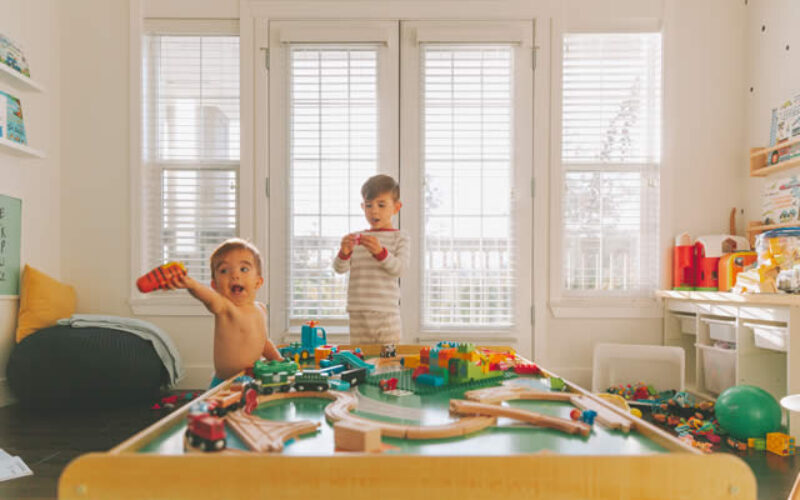
third “photo remodeling” idea

copyright image by 123rf.com
Study Room 3: Encouraging Research to Nurture Balance
Notes:
-
Research is a critical skill that fosters curiosity, critical thinking, and lifelong learning. With the internet serving as a vast digital library, children today have an unparalleled opportunity to explore topics of interest.
Encouraging this exploration can be both enriching and empowering, but fostering a balance between online and offline activities is key.
-
Quick scroll to “encouraging research” side notes …
-
-
1st: Dealing with Online Research
Helping children approach online research effectively is an essential step in fostering their critical thinking and information-gathering skills. With the vast amount of information available online, it is crucial to guide them towards reliable and accurate sources.
Teaching children the importance of identifying credible websites and questioning the reliability of the content develops not only their research abilities but also their digital literacy.
[ view summary table: online research ]
-
Recognizing Trusted Resources
When beginning online research, it’s important to help children identify trustworthy sources. Government websites, educational institutions, and well-established organizations often provide accurate and reliable information.
Encourage children to look for websites ending in domains like .edu, .gov, or .org as a starting point. These sites are generally monitored and maintained by experts in their respective fields.
Credible resources such as National Geographic Kids, Britannica Kids, NASA’s educational portal, and other established platforms are excellent options for children.
These platforms deliver accurate, age-appropriate information in an engaging manner that fosters curiosity and learning.
-
Evaluating Online Content
Teaching children how to evaluate online content is a critical part of their research education. Encourage them to check for authorship, publication dates, and references mentioned in the articles or resources they use.
Explain the significance of cross-referencing information with multiple trusted websites to verify facts. Through this approach, they will naturally develop a practice of filtering out misinformation while identifying valuable content.
Additionally, introduce children to basic media literacy techniques. Show them how to recognize clickbait, distinguish between opinion and fact-based articles, and understand advertising or sponsored content’s influence on objectivity.
-
Tools for Online Research
Many premium online tools and digital libraries cater to young learners and can be instrumental in their research. Resources such as Khan Academy, Smithsonian Kids, and PBS LearningMedia offer a wealth of knowledge presented in an interactive and easily digestible format.
These platforms often include visuals, videos, and quizzes designed to enhance understanding while keeping the experience fun and engaging.
For science and technology topics, children can explore reliable sources like NASA’s STEM activities website or the Exploratorium’s online museum.
For historical and general knowledge research, platforms like The Library of Congress’ Kids section and History for Kids are reliable and informative.
-
Building Safe Online Habits
Beyond guiding children to credible resources, it is equally important to teach them safe online practices. Parents and educators should encourage the use of child-safe search engines, such as Kiddle or KidRex, which filter out inappropriate content and prioritize family-friendly results.
Promote the idea of never sharing personal information while exploring websites and using strong passwords for online accounts.
Being vigilant about children’s online activities ensures not only their safe browsing experience but also helps them remain focused on valuable content.
By fostering these habits, we equip them with lifelong research skills that extend beyond digital environments.
Topic Key Points Dealing with Online Research Helping children approach online research fosters critical thinking and enhances information-gathering skills. It is vital to guide them towards reliable and accurate sources while developing their digital literacy. Recognizing Trusted Resources Encourage children to use government websites, educational institutions, and reputable organizations (.edu, .gov, .org). Trusted platforms like National Geographic Kids, Britannica Kids, and NASA’s educational portal offer credible and engaging information. Evaluating Online Content Teach children to check authorship, publication dates, and references. Encourage cross-referencing information and applying media literacy techniques to identify valuable content and avoid misinformation. Tools for Online Research Explore platforms like Khan Academy, Smithsonian Kids, and PBS LearningMedia for interactive and age-appropriate content. For specific topics, NASA’s STEM activities and The Library of Congress’ Kids section are reliable sources. Building Safe Online Habits Teach children to use child-safe search engines (e.g., Kiddle, KidRex) and emphasize the importance of never sharing personal information and using strong passwords for a safe browsing experience. 
AI generated image by 123rf.com
[ youtube: How to get better at doing research ]
[ youtube: Top 7 Free AI Tools Every Researcher Needs ]
-
-
2nd: Designing a Space to Encourage Offline Research
… and activities
Creating an environment conducive to offline learning and exploration is a vital way to stimulate curiosity and foster a deeper connection to knowledge. While digital resources are invaluable, offline research offers unmatched opportunities for creativity, critical thinking, and tactile engagement.
Thoughtful design and intentional choices can transform a space into a nurturing hub for discovery that inspires children and adults alike.
[ view summary table: offline research ]
-
Dedicated Work Areas
To establish a space that encourages offline research, it is essential to provide dedicated work areas that cater to varied interests. A large, sturdy table can serve as a focal point for activities like reading, writing, and sketching.
Paired with comfortable, ergonomic seating, it becomes an inviting place to spend hours exploring ideas and working on projects. Good lighting, whether natural or artificial, is another critical element, as it reduces eye strain and promotes focus.
-
Curated Resource Shelves
A well-organized room should include curated shelves with age-appropriate books, encyclopedias, and other print materials. Structured yet accessible browsing encourages users to engage with texts and develop a habit of immersing themselves in these valuable resources.
Beyond books, including items like atlases, globes, and maps can provide tactile tools for learning. Rotation of materials based on seasons, subjects, or personal interests keeps the collection fresh and engaging.
-
Hands-On Learning Spaces
Integrating areas for hands-on activities fosters engagement and creativity. A nook for art supplies, science kits, or craft tools can transform a room into a versatile space for experimentation and skill-building.
Provide materials like paper, pencils, rulers, and magnifiers, and allow for unrestricted exploration. Including interactive elements such as puzzles or models can further enrich the offline learning experience by stimulating critical thinking and teamwork.
-
Technology-Free Zones
Designating certain areas of the space as technology-free zones reinforces the focus on offline activities. Encourage users to switch off digital devices and immerse themselves in physical materials instead.
Clear signage or reminders can help uphold this rule, creating an atmosphere where the distractions of screens are replaced with meaningful involvement in research and activities.
-
Inspirational Décor and Ambiance
The ambiance of the room can significantly impact motivation and creativity. Decorate the space with inspiring quotes, educational posters, or representations of historical and scientific achievements.
A calming color palette and cozy furnishings—such as rugs, cushions, or beanbags—can make the area more inviting. Plants or natural elements added to the environment can foster a sense of tranquility and connection to the outside world.
Aspect Key Features Designing a Space to Encourage Offline Research and Activities Creating an environment that nurtures curiosity and supports offline learning to inspire creativity, critical thinking, and hands-on engagement. Dedicated Work Areas Including a large, sturdy table with ergonomic seating, paired with good lighting to support reading, writing, and other focused activities. Curated Resource Shelves Shelves with age-appropriate books, encyclopedias, atlases, globes, and maps, refreshed often to maintain engagement and exploration. Hands-On Learning Spaces Providing tools like art supplies, science kits, puzzles, and models to encourage experimentation, creativity, and teamwork. Technology-Free Zones Designating specific areas free of digital devices to promote immersion in offline activities and physical materials. Inspirational Décor and Ambiance Using inspiring quotes, colorful yet calming décor, and cozy furnishings to create a welcoming and motivating environment with natural elements. 
copyright image by 123rf.com
-
-
3rd: The Importance of Family Field Trips
… and outside activities for learning and research
Field trips and outside activities provide children and families with unique opportunities to engage in experiential learning. These activities extend the educational environment beyond the conventional classroom or home learning space and immerse learners in hands-on exploration.
Family field trips foster curiosity, critical thinking, and creativity by offering real-world experiences that help solidify concepts learned in books or online.
Furthermore, outdoor activities provide the chance to explore various fields of interest, strengthen familial bonds, and cultivate a lifelong love of discovery.
The value of stepping outside to learn cannot be understated, as it promotes holistic development in children—physically, emotionally, and intellectually.
[ view summary table: family field trips ]
-
Exploring Local Museums and Cultural Centers
Museums and cultural centers are treasure troves of knowledge where families can immerse themselves in history, art, and science. A visit to a science museum might spark a child’s interest in engineering through interactive exhibits, while an art museum could inspire creativity and appreciation for diverse cultures.
Cultural centers often host workshops, presentations, and hands-on activities that bring abstract concepts to life.
For instance, attending an exhibit on ancient civilizations can reinforce lessons about history and geography, allowing children to connect what they see with what they learn at home or school.
-
Nature-Based Learning in Parks and Reserves
Engaging with nature is an excellent way to enhance understanding of biology, ecology, and the environment. National and state parks offer opportunities for children to explore ecosystems, observe wildlife, and learn about conservation efforts.
Guided hikes, ranger-led programs, and simple exploration of plant and animal life provide an interactive way to understand complex subjects like habitats, biodiversity, and environmental science.
Besides the informational aspect, spending time outdoors is also linked to improving mental well-being and fostering an appreciation for the natural world.
-
Visits to Farms and Local Industries
Agricultural field trips, such as visiting a farm, can provide valuable insight into food production, sustainability, and rural economies. Observing the life cycle of crops, the role of livestock, and sustainable farming techniques gives children a practical understanding of essential industries.
Similarly, touring factories, manufacturing facilities, or renewable energy farms can open up pathways to learning about technology applications in real-world settings, providing inspiration and potential career exploration.
-
Engaging in Community-Centered Activities
Exploring local community services, such as historic sites, libraries, or urban development projects, offers another lens for learning.
Visiting a botanical garden or participating in a public art project as a family can encourage creativity while also introducing ideas about teamwork and societal contributions.
Many communities host educational events, such as book readings, cultural festivals, or maker fairs, which enable families to participate in hands-on activities and connect with others who share similar interests, sparking curiosity and deepening knowledge.
-
Scientific Exploration at Planetariums and Zoos
Planetariums, observatories, and zoos allow families to engage with the sciences in a highly memorable way. A planetarium visit can ignite an interest in astronomy as children witness the wonders of the universe through immersive displays and real-time observations.
Zoos, on the other hand, are excellent settings for understanding animal behavior, evolutionary biology, and conservation efforts.
These experiences not only provide scientific education but also help children develop empathy for other living creatures and an appreciation for the interconnectedness of all life.
Activity Focus Areas Benefits Family Field Trips and Outdoor Activities Experiential Learning Fosters curiosity, critical thinking, creativity, strengthens family bonds, and promotes holistic development. Local Museums and Cultural Centers History, Art, and Science Encourages creativity, appreciation of culture, connects abstract concepts with real-world experiences. Nature-Based Learning in Parks and Reserves Biology, Ecology, and Environment Interactive learning about habitats, biodiversity, and conservation; improves mental well-being. Visits to Farms and Local Industries Food Production, Sustainability, and Technology Practical understanding of industries, exploration of career pathways, and inspiration. Community-Centered Activities Teamwork and Societal Contributions Encourages creativity, community engagement, and fosters curiosity through hands-on activities. Scientific Exploration at Planetariums and Zoos Astronomy, Animal Behavior, and Conservation Develops empathy, understanding of interconnectedness of life, and memorable scientific education. 
copyright image by 123rf.com
[ diagrams: family field trips ]
[ pinterest: best family road trips ]
-
-
-
ideas to view and compare from the information discussed above
Scroll up to directory … or scroll to next section about designing study room …
SHARE IT ..! You might have someone in your social network who could find this informative post about designing study room for your children’s growth valuable. Feel free to share it on Facebook, X (formally Twitter), LinkedIn, or Pinterest!




Download this PDF for a concise summary of all you need to know about …?


fourth “photo remodeling” idea

copyright image by 123rf.com
Study Room 4: Build Creative Skills
Notes:
-
Fostering creativity in children is an essential part of their cognitive and emotional development. By encouraging creative thinking, you help children develop problem-solving skills, self-expression, and the ability to approach challenges with innovation.
Creativity is not limited to art; it spans across writing, storytelling, music, design, and even scientific exploration.
-
Quick scroll to “building creative skills” side notes …
-
-
1st: Nurturing Your Child’s Creativity
Supporting your child’s creativity is a beautiful way to help them grow into confident, imaginative, and resourceful individuals. By providing the right environment and opportunities, you can inspire their curiosity and foster their natural talents.
The following ideas will guide you in creating an atmosphere that encourages exploration, learning, and self-expression, making creativity a joyful and integral part of their everyday life.
[ view summary table: nurturing creativity ]
-
Provide Opportunities for Open-Ended Play
Open-ended play, such as using building blocks, crafting materials, or engaging in imaginary scenarios, encourages children to explore and experiment without predefined boundaries or instructions.
This type of play fosters creativity, as children can imagine limitless possibilities and shape their own experiences.
When children create their own rules, solve problems, or come up with unique solutions, they not only develop a sense of independence and agency but also enhance their critical thinking and decision-making skills.
According to Brown (2009), such unstructured play is essential for cognitive and emotional development, as it allows children to navigate challenges, express themselves freely, and build confidence in their abilities.
-
Encourage Exploration of the Arts
Activities like drawing, painting, or playing a musical instrument provide children with creative outlets to express their emotions visually or auditorily, helping them process feelings in a healthy and constructive way.
Engaging in art allows children to explore their imagination, build fine motor skills, and develop an appreciation for self-expression. Similarly, studies show that early exposure to music can improve spatial-temporal reasoning, which is linked to skills like problem-solving and logical thinking (Rauscher et al., 1993).
For writing, encourage journaling or storytelling as a way to channel their inner thoughts, improve emotional awareness, and develop strong literacy skills. These activities not only enhance creativity but also play a vital role in a child’s cognitive and emotional development.
-
Model Creativity
Be a role model for innovation and creativity. When children see you engaging in creative hobbies—whether it’s cooking a new recipe, writing a story or poem, painting, or even experimenting with gardening—they learn by example and feel inspired to explore their own creative interests.
Share your experiences with them, talk about what you enjoy and why, and invite them to join you in projects.
For example, you can bake together, start a small garden in your backyard, or work on a craft project as a team. By making creativity a shared experience, you encourage them to think outside the box and develop their own innovative ideas.
-
Create a Safe Environment for Experimentation
Make sure children feel secure in exploring new ideas by removing the fear of failure and creating an environment where they feel supported.
Encourage the mindset that mistakes are not only a natural part of learning but can also spark creativity and lead to groundbreaking inventions. Share examples of famous inventors and innovators who achieved success after numerous failures to inspire them.
Carol Dweck’s research on growth mindset highlights the critical role of reinforcing effort, persistence, and resilience, showing that children who believe they can improve through hard work are more likely to thrive (Dweck, 2006). By fostering this mindset, we can help children build confidence in their ability to tackle challenges and grow from setbacks.
-
Limit Structured Screen Time
While technology and screens can offer valuable learning tools, excessive structured screen time may limit the development of imagination and creative thinking.
Children often benefit from opportunities to explore open-ended play and problem-solving, which can be restricted by too much passive or overly guided screen use. Instead, technology can be a catalyst for creativity when used thoughtfully.
Consider incorporating apps and tools that encourage activities like design, coding, music composition, or storytelling. These resources not only engage young minds but also help build valuable skills while allowing creativity to flourish.
-
Introduce Inspiring Role Models
Inspire your child by introducing them to creative role models who have made a difference in the world. Discuss the works of influential authors, musicians, scientists, and inventors who turned their creative ideas into groundbreaking achievements.
For example, learning about Jane Austen can show how storytelling and literature can shape culture and society, while exploring the innovations of Nikola Tesla can highlight how creativity in science and technology can revolutionize the way we live.
You can also delve into the works of artists like Frida Kahlo, whose paintings expressed profound emotions and identity, or musicians like Ludwig van Beethoven, whose compositions broke boundaries and continue to inspire today.
Show your child how creative expression, when paired with passion and determination, can lead to a lasting impact on the world.
-
Expose Them to Diverse Experiences
Taking part in field trips to museums, theater productions, or cultural festivals allows children to explore new environments and experience the richness of human creativity.
Visiting museums exposes them to art, history, and science in ways that spark curiosity and encourage critical thinking.
Theater productions bring stories to life, teaching empathy and the power of storytelling. Cultural festivals celebrate diversity and traditions, helping children see the world from different perspectives.
These experiences fuel creativity by broadening their understanding of human expression, innovation, and the interconnectedness of global cultures.
By implementing these strategies, you can pave the way for your child to develop their unique creative potential and confidently explore their passions. Creativity is not just an innate talent—it is a skill that can be cultivated with the right environment and support.
- Brown, S. (2009). Play: How It Shapes the Brain, Opens the Imagination, and Invigorates the Soul. Avery Publishing Group.
- Dweck, C. S. (2006). Mindset: The New Psychology of Success. Random House.
- Rauscher, F. H., Shaw, G. L., & Ky, K. N. (1993). Music and spatial task performance. Nature, 365(6447), 611.
Strategy Description Benefits Provide Opportunities for Open-Ended Play Encourages imaginative play using building blocks, crafting materials, or imaginary scenarios without predefined boundaries. Enhances critical thinking, decision-making, independence, and cognitive development (Brown, 2009). Encourage Exploration of the Arts Engages children in creative activities like drawing, painting, playing music, journaling, or storytelling. Supports emotional expression, improves fine motor skills, spatial-temporal reasoning, and cognitive and emotional development (Rauscher et al., 1993). Model Creativity Shares your creative hobbies and engages in collaborative creative activities with children. Inspires children to explore creative interests and develop innovative ideas through shared experiences. Create a Safe Environment for Experimentation Fosters a supportive environment by normalizing mistakes and reinforcing a growth mindset. Encourages resilience, persistence, and confidence in tackling challenges (Dweck, 2006). Limit Structured Screen Time Reduces excessive passive screen use while incorporating creative and interactive technologies like design or coding apps. Promotes imagination, problem-solving, and skill-building in a thoughtful technological environment. Introduce Inspiring Role Models Highlights the achievements of authors, artists, scientists, and inventors who used creativity to impact the world. Shows how passion and determination combined with creativity can inspire lasting change. Expose Them to Diverse Experiences Facilitates visits to museums, theater productions, or cultural festivals to explore new environments. Broadens understanding of human creativity, encourages empathy, and fuels innovation through diverse perspectives. 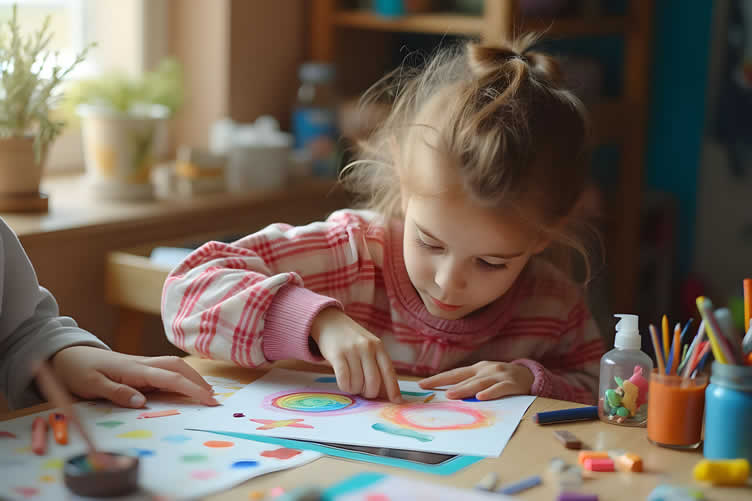
AI generated image by 123rf.com
[ pinterest: develop child creative skills ]
[ youtube: Critical Thinking Skills for Kids ]
-
-
2nd: Design a Creative Haven: Ideas for a Child’s Bedroom
… to inspire imagination and growth
A child’s bedroom is much more than just a space to sleep—it is their sanctuary for dreaming, exploring, and fostering creativity. Thoughtfully designing this space not only encourages artistic expression but also nurtures problem-solving skills, emotional growth, and independent thinking.
Whether the room belongs to a young child or a budding teenager, the design possibilities are endless when it comes to fostering an environment that inspires the imagination.
Below, we explore carefully curated ideas to help craft a space where creativity thrives.
[ view summary table: child bedroom ideas ]
-
Designing for Younger Children
For younger children, a bedroom can be transformed into a world of discovery filled with inspiration and play. Start by focusing on a theme that reflects their favorite interests, such as animals, outer space, or whimsical fairy tales.
Incorporating bold colors and lively wallpaper or murals can make the space vibrant and engaging. Create purposeful areas within the room, like a cozy reading nook with soft cushions and a small, accessible bookshelf, or an art station stocked with crayons, paper, and paints.
Storage solutions are key to keeping the space functional and organized, ensuring everything has a place while still being child-friendly. Open shelving and labeled bins can make it easier for children to explore and tidy up on their own.
Consider adding interactive elements such as chalkboard walls or magnetic boards, which allow children to draw, write, and display their creations without limits. Lighting should be warm and inviting, with options like adjustable desk lamps or string lights that highlight the magical ambiance of their space.
-
Inspiring Growth for Teenagers
Teenagers require a space that evolves with their growing needs and individuality. While the room should still inspire creativity, it often serves as a multi-functional space for studying, socializing, and self-expression.
Start with a versatile color palette that reflects their personality. Neutral tones with pops of their favorite color can offer a more sophisticated and adaptable design.
Consider investing in a sturdy desk and ergonomic chair to create a focused workspace where they can pursue academic or personal projects. Adding a corkboard or whiteboard above the desk allows room for brainstorming, to-do lists, and visual goal-setting.
A statement wall with their own photography, artwork, or prints of inspiring figures and quotes can make the room feel uniquely theirs.
Storage at this stage should balance aesthetics and functionality, with under-bed storage, modular shelving, and stylish baskets to organize books, supplies, or mementos.
Install proper lighting for different parts of the room—a combination of ceiling lights, desk lamps, and ambient lighting for mood flexibility. Efforts should also be made to ensure their bedroom is relaxing, with cozy textures like plush throws and rugs for moments of calm and reflection.
-
Elements for All Ages
Regardless of age, natural light is an essential component of any creative space. Ensure windows are unobstructed and use light, airy curtains to maximize the flow of sunlight.
Personalization remains a key factor—whether through artwork, favorite colors, or interactive objects—to make children feel a strong connection to their bedroom.
Flexibility is equally important, as children grow quickly, and their interests or needs may evolve over time. Opting for modular furniture or designs that can be adjusted ensures the space can adapt to their developmental milestones.
Age Group Key Design Ideas Special Features Younger Children - Use themed designs reflecting interests like animals or fairy tales.
- Incorporate bold colors, lively wallpaper, and murals.
- Create purposeful areas like reading nooks or art stations.
- Open shelving and labeled bins for organization.
- Interactive elements like chalkboard walls or magnetic boards.
- Warm and inviting lighting, such as string lights.
Teenagers - Use neutral tones with accent colors for sophistication.
- Create multi-functional spaces for studying and socializing.
- Include a sturdy desk and ergonomic chair for productivity.
- Corkboard or whiteboard for brainstorming and goal-setting.
- Modular shelving and under-bed storage for organization.
- Flexible lighting with ceiling lights and desk lamps.
All Ages - Prioritize natural light with unobstructed windows.
- Personalize the room with artwork and favorite colors.
- Ensure flexibility with modular furniture for growth.
- Adaptable designs to align with changing needs or interests.
- Cozy textures like throws and rugs for comfort.
- Maintain a strong sense of connection and individuality.
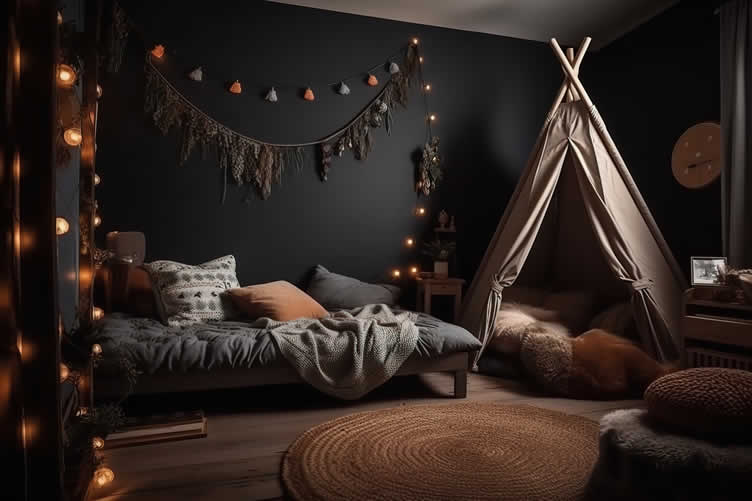
copyright image by 123rf.com
-
-
3rd: Creating a Chalkboard Wall for a Child’s Bedroom
Designing a child’s bedroom is an opportunity to foster creativity and encourage self-expression. Among the many ways to personalize and add functionality to a child’s space, dedicating one wall to chalkboard paint is a simple yet impactful solution.
A chalkboard wall serves as a versatile feature that inspires creativity, encourages learning, and helps children develop organizational skills.
This section will explore practical applications of adding a chalkboard wall to a child’s room and its benefits for a child’s overall development.
[ view summary table: chalkboard wall ]
-
A Space for Creative Expression
A chalkboard wall gives children the freedom to express themselves artistically without the confines of traditional paper or canvas. Whether drawing colorful illustrations, designing imaginative landscapes, or doodling shapes and patterns, children can use the wall as their personal art gallery.
The ease of erasing and re-imagining a new design encourages imagination to thrive while eliminating the waste associated with disposable art supplies like paper. A child’s creative output evolves alongside them, making the chalkboard wall a dynamic feature that grows with their changing interests.
-
A Tool for Learning and Education
Turning a chalkboard wall into an educational tool can make learning an engaging part of everyday life. Parents and children can use the wall to practice writing letters, solving math problems, learning vocabulary words, or working through science diagrams.
Visual learners, in particular, benefit from having a large, interactive workspace to visualize concepts in an engaging way. Paired with colorful chalk, concepts like timelines, graphs, or even language practice become tactile and enjoyable experiences that make knowledge more accessible and memorable.
-
Encouragement for Organization and Planning
For school-aged children, a chalkboard wall can double as a tool for staying organized. Using its surface as a calendar or to-do list can teach children the importance of time management and prioritization.
For older children, it can transform into a space for brainstorming ideas, jotting reminders, or setting weekly goals.
Parents can foster a sense of independence by encouraging their child to personalize their organizational approach while providing a supportive and adaptable tool to structure their day.
-
A Safe and Durable Feature for the Room
Beyond its functional benefits, chalkboard paint is easy to clean and highly durable, making it a practical option for high-traffic surfaces in a child’s bedroom. Non-toxic, child-safe chalks and accompanying cleaning materials ensure the feature is both safe and sustainable.
By involving children in the care and maintenance of their chalkboard wall, parents can also impart a sense of responsibility and pride in their space.
Feature Description Benefits A Space for Creative Expression Children can use the chalkboard wall to draw, doodle, and express their artistic ideas freely. Encourages imagination, provides a reusable canvas for creativity, and reduces waste from disposable art supplies. A Tool for Learning and Education The chalkboard wall can be used to practice writing, solve math problems, and visualize educational concepts. Makes learning engaging and interactive, benefits visual learners, and enhances understanding through tactile experiences. Encouragement for Organization and Planning Serves as a customizable space for calendars, to-do lists, and brainstorming ideas. Teaches time management, fosters independence, and supports personalized organizational strategies. A Safe and Durable Feature for the Room Chalkboard paint is easy to clean and designed to withstand high-traffic use with non-toxic materials. Safe for children, sustainable, and promotes responsibility through care and maintenance. 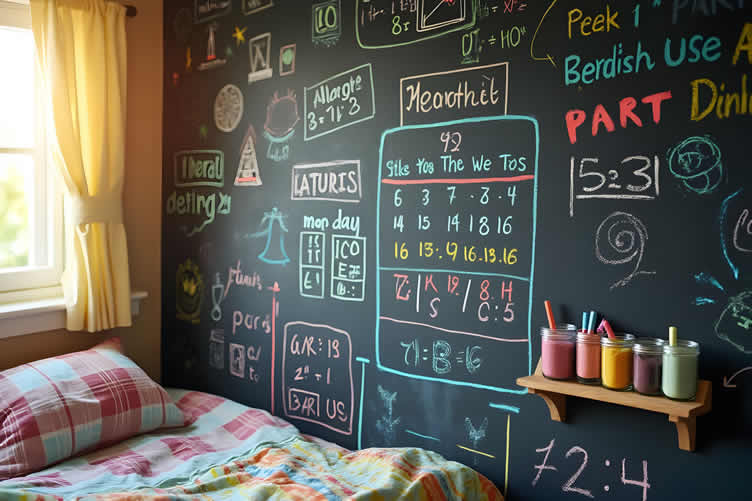
AI generated image by 123rf.com
Viewing Chalkboard Wall Ideas
google imagesKitchen view samples Command Center view samples Home Office view samples Kid’s Room view samples Teen Room view samples Play Room view samples -
-
-
ideas to view and compare from the information discussed above
creative thinking toyscreative thinking cardscreative thinking games
Scroll up to directory … or scroll to next section about designing study room …

get the size dimensions for design study room and other home remodeling projects …
… for functionality, aesthetics, and adhering to building codes




Budgeting Worksheet For Costing Home Remodeling and Home Improvement Decisions
 File Type (excel)
Find Interior Design Services Decorators Interior Designers Furniture Painting & Staining top-rated, pre-screened local contractors FREE: download contractor selection enter zip code – powered by HomeAdvisor ™
Quick Contractor Guides selecting negotiating working with inspecting

fifth and last “photo remodeling” idea


copyright image by 123rf.com
Study Room 5: Call It the Success Room: Dedicated for Achievement
Notes:
-
The idea of the “Success Room” is more than a physical concept; it is a structured environment designed to inspire progress, celebrate milestones, and cultivate growth. This design setup is ideal for high school students as they navigate their academic journey, preparing for higher education and future career opportunities.
This personal space acts as a launchpad for academic excellence and career readiness, ensuring teen children have a dedicated corner of the world to nurture dreams and achieve goals.
By integrating intentional design, practical tools, and motivational elements, the Success Room provides an irreplaceable foundation for future success.
-
Quick scroll to topic "success room" side notes …
-
-
1st: The Philosophy Behind the Success Room
The Success Room is built upon the principle that nurturing the right environment can significantly impact academic performance and personal development. Teen children are often influenced by their surroundings—a distracting or unstimulating environment can hinder progress.
Conversely, a well-curated space that highlights achievements, encourages focus, and offers structure can stimulate creative thinking, promote resilience, and foster a growth mindset.
At its core, the Success Room is deeply rooted in psychological science. Research indicates that a personalized, organized, and goal-oriented space improves concentration and productivity ("The Effects of Study Environment on Academic Performance," Journal of Educational Psychology).
By offering your teen child a private space to pursue their ambitions, parents and guardians can empower them to take charge of their future.
[ view summary table: why success room ]
-
Essential Elements of the Success Room
The Success Room should integrate both functionality and inspiration. It must be designed to address essential aspects of development and future preparation all while fostering a sense of pride and ownership. The following facets contribute to its effectiveness:
1. Academic Support and Resources
At the heart of the Success Room is a focus on education. A functional workspace equipped with materials such as textbooks, journals, writing utensils, and digital tools provide the child with everything they need to focus on their studies.
Ergonomic furniture ensures physical comfort, while proper lighting minimizes eye strain and keeps energy levels high during study sessions.
2. A Celebration of Achievements
Featuring accomplishments—such as awards, certificates, or even personal best scores—brings resilience and self-confidence. Displaying these achievements on a wall or shelf constantly reminds the child of their progress and encourages them to aim higher.
3. Goal Visualization and Time Management
The Success Room is an ideal place to establish systems of organization and planning. Calendars, goal trackers, and personal whiteboards help students visualize short-term milestones and long-term aspirations. These tools foster discipline, teaching valuable life skills that transcend the academic realm.
4. A Pathway to the Future
Above all, the Success Room cultivates readiness for what lies ahead. It is engineered to help teen children lay the groundwork for college and career planning.
From studying for entrance exams to narrowing down career interests, it is a space tailored to big-picture preparation.
-
Why Every Student Deserves a Success Room
Creating a Success Room is more than an act of providing physical space—it’s about investing in a child’s potential. It offers an inspirational environment where perseverance is celebrated, learning is encouraged, and ambitions are nurtured.
Whether the next step is college, technical schools, or a chosen career, the Success Room prepares your child for the challenges and opportunities along their unique pathways.
By fostering focus, discipline, and creativity, this space becomes crucial for self-discovery and personal achievement.
Key Principle Description The Philosophy Behind the Success Room The Success Room is designed to nurture an environment that significantly influences academic performance and personal development. A well-curated, goal-oriented space fosters focus, resilience, and a growth mindset. Academic Support and Resources A functional workspace is equipped with resources such as textbooks, digital tools, and ergonomic furniture. Proper lighting ensures comfort and sustained energy during study sessions. A Celebration of Achievements Displaying awards, certificates, and milestones boosts self-confidence and resilience by constantly reminding your child of their progress and motivating them to aim higher. Goal Visualization and Time Management Tools such as calendars, goal trackers, and planners help children organize and visualize their objectives, fostering discipline and valuable life skills. A Pathway to the Future The Success Room helps your teen child to prepare for college and career planning, offering a tailored space for both short-term and long-term ambitions. Why Every Student Deserves a Success Room Providing a Success Room is an investment in a child’s potential, cultivating focus, creativity, and perseverance. It equips students for their next steps, whether it’s college, technical training, or a career. 
copyright image by 123rf.com
[ pinterest: student study room ]
[ youtube: 6 Tips for Raising Successful Kids ]
-
-
2nd: Creating a Success Room
… cultivating growth and potential
Creating a success room within your home can provide a high school student with a personalized environment that fosters focus, growth, and preparation for their transition to college or other future endeavors.
Selecting and designing this space thoughtfully ensures it serves as a functional, inspiring area tailored to the needs of a growing young adult.
A bedroom is often one of the most practical and private areas of the home to dedicate as a success room, allowing independence while still offering accessibility and family support.
[ view summary table: creating a success room ]
-
Adapting a Bedroom as a Success Room
The bedroom is naturally one of the most logical choices for transforming into a dedicated success room for a high school student. This space provides the privacy and comfort needed for focused study sessions, personal reflection, and uninterrupted work.
Consider incorporating a desk with an ergonomic chair to support hours of concentrated learning. Good lighting is essential—prioritize natural light during the day and task lighting for evening productivity.
Storage solutions can be included to keep the room organized and minimize distractions. This could include bookshelves for academic materials, drawers for personal items, and file organizers to accommodate college prep documents or scholarship applications.
Personal touches, like a vision board or framed achievements, help the space feel motivational and unique to the student’s goals. Since this room will also function as a transitional space in preparation for college, it’s valuable to introduce practices that encourage independence.
Transitioning the layout or storage to mirror what might be expected in a college dormitory or apartment gives the student a head-start on adapting to those changes.
Additionally, setting up a calendar or planner within the room can reinforce time management skills crucial for their future.
-
Why Bedrooms Are Ideal
Bedrooms are ideal for success rooms because they generally offer a quiet and autonomous environment. They allow the student to establish ownership over their routines and responsibilities as they mature.
Unlike shared spaces, a bedroom gives students the control they need over their environment, which fosters responsibility and builds habits conducive to self-discipline.
With intentional design and supportive encouragement, a bedroom success room becomes not just a place for academic tasks but also an area for self-expression, decompressing after challenging days, and cultivating independence.
-
Finding the Space for Success Room
Transforming spaces like the attic, garage, or basement into a dedicated success room for an older teen offers countless benefits.
These areas often provide privacy and a sense of separation from the main household activities, creating the perfect environment for focused academic work and personal growth.
With proper insulation, comfortable furnishings, and thoughtful lighting, these spaces can be designed to meet the specific needs of the teen, whether they require a quiet study corner, a creative station, or a relaxation zone.
Additionally, involving the teen in the planning and design process helps them feel empowered and invested in their space, fostering a stronger sense of ownership and independence.
Section Key Points Creating a Success Room A personalized space fosters focus, growth, and preparation for future endeavors. Thoughtful design ensures functionality and inspiration tailored to a growing young adult. Adapting a Bedroom Bedrooms provide privacy and comfort, ideal for study and personal reflection. Include ergonomic furniture, good lighting, storage for organization, and motivational personal touches. Transition layouts to simulate college dorm setups and encourage independence. Why Bedrooms Are Ideal Bedrooms promote autonomy, responsibility, and self-discipline. They allow students control over their environment, making them conducive to academic and personal success. Finding the Space Areas like attics, garages, or basements are excellent for creating private, focused success rooms. Proper design and involving the teen in planning enhance their engagement and foster independence. 
copyright image by 123rf.com
-
-
3rd: Steps to Achieving Success
Success is a deeply personal and multifaceted pursuit. While its definition may vary from one individual to another, the foundational steps to achieving success follow a universal framework rooted in thoughtful planning, consistent discipline, and focused execution.
Understanding and mastering these elements can empower individuals to turn their ambitions into reality. Below, we explore these key ingredients:
[ view summary table: achieving success ]
-
Goal Planning
The first and most critical step towards success is clear and structured goal planning. This involves setting specific, measurable, achievable, relevant, and time-bound (SMART) goals.
Effective planning helps individuals envision their desired outcome, breaks larger objectives into manageable milestones, and creates a roadmap to progress.
Research from the American Psychological Association (APA) highlights that written goals are significantly more likely to be achieved than those that remain unwritten or vague. By taking time to align goals with personal values and priorities, individuals can stay motivated and committed to their vision.
-
Discipline
Discipline acts as the bridge between setting goals and accomplishing them. It requires a steadfast commitment to working toward objectives, even when motivation wanes.
Author James Clear, in his acclaimed book Atomic Habits, emphasizes that building and sustaining good habits is fundamentally tied to discipline. Success often demands consistent effort, resilience in the face of setbacks, and prioritization of actions that align with long-term aspirations over instant gratification.
By fostering self-discipline, individuals unlock the capacity to stay focused, adapt to challenges, and maintain momentum.
-
Execution
The final and most action-oriented step is execution, where plans translate into tangible outcomes. Execution involves not only taking deliberate steps but also regularly monitoring progress, updating strategies, and overcoming obstacles that arise along the way.
Harvard Business Review has consistently underscored that effective execution is often the factor that differentiates high achievers from those who struggle to meet their goals. Successful execution requires a blend of decisive action, strategic adjustments, and sustained energy to see plans through to fruition.
-
Final Thoughts
Achieving success is not solely about talent or opportunity but rather a disciplined process of planning, action, and persistence.
By mastering goal planning, cultivating discipline, and committing to purposeful execution, individuals can set themselves on a path to success that is both productive and personally fulfilling. Aiming for small, incremental progress every day ensures steady growth and resilience in the face of obstacles.
Step Description Goal Planning Setting SMART (Specific, Measurable, Achievable, Relevant, Time-bound) goals helps create a structured roadmap. Written goals, aligned with personal values, significantly increase the likelihood of success. Discipline Discipline bridges goals and achievements by fostering consistent effort, building good habits, and maintaining focus even when motivation wanes. Execution Execution is the action-oriented phase where progress is monitored, strategies are adapted, and obstacles are overcome to bring plans to fruition. 
copyright image by 123rf.com
-
-
4th: Getting Some Help
Creating a designated study area in your home is key to supporting your children’s education, research, and creative endeavors. A well-designed space not only fosters focus and learning but also inspires curiosity and innovation.
Start by selecting a quiet, well-lit corner of your home or child bedroom that minimizes distractions and provides a sense of comfort. Ensure that the study area is equipped with essential tools such as a sturdy desk, a comfortable chair, and ample storage for books and supplies.
To encourage creativity and exploration, involve your children in the setup process. Ask them about their preferences for colors, decorations, and organizational systems. This collaboration empowers them to take ownership of the space, making it more personally meaningful.
Additionally, consider integrating items like a wall chalkboard or whiteboard for brainstorming, a pinboard for displaying achievements, or art supplies for creative projects.
If you’re unsure where to start, reaching out to educators, child development specialists, or interior design professionals can offer valuable insights. Many online resources and local community organizations also provide practical ideas to help you create an engaging and functional study environment.
Remember, the goal is to build a space where your children feel empowered to dream big, explore deeply, and express themselves fully.
[ view summary table: setup steps ]
-
Why Consider an Interior Designer?
Interior designers are trained professionals who specialize in creating functional and aesthetically pleasing spaces. They have the knowledge, experience, and resources to help you create a study space that meets your child’s unique needs and interests.
An interior designer can also provide valuable advice on organization, furniture placement, storage solutions, and decor that will enhance your child’s learning experience.
Additionally, hiring an interior designer can save you time and stress by taking over the design process and handling all the details. They can work within your budget and offer creative solutions to make the most of your space.
-
What to Keep in Mind When Designing a Study Space:
When working with an interior designer or designing on your own, there are some key elements to keep in mind when creating a study space for your child.
These include:
- Lighting:
Natural light is important to promote productivity and reduce eye strain. Make sure the room has ample natural light or provide task lighting for specific work areas. - Comfortable seating:
Your child will likely spend hours sitting at their desk, so make sure they have a comfortable chair that promotes good posture. - Color scheme:
Certain colors can evoke different moods and emotions, so choose a color scheme that promotes focus and concentration. - Noise control:
A study space should be free from distractions, so consider soundproofing the room or adding sound-absorbing materials like carpets or curtains. - Personalization:
Encourage your child to personalize their study space with items that inspire them, such as motivational posters or photos of loved ones. - Lighting:
Natural lighting is best for studying, but if that’s not available, make sure the room has adequate lighting without being too harsh on the eyes.
It may also be helpful to regularly check in with your child and ask how their study space is working for them. Small adjustments and improvements can go a long way in creating an optimal learning environment.
Additionally, consider periodically rearranging or refreshing the space to prevent boredom and keep it feeling new and exciting.
Remember, everyone’s ideal study environment may differ, so involve your child in the process and listen to their preferences.
- Lighting:
LetsRenovate has partnered with HomeAdvisor™, a renowned provider of highly-rated, carefully-vetted local interior designers. Start your search here by entering your zip code to find local professionals.
Aspect Recommendations Location Select a quiet, well-lit spot that minimizes distractions and ensures comfort. Essential Tools Equip the space with a sturdy desk, a comfortable chair, and ample storage. Personalization Encourage your child to personalize with colors, decorations, and inspirational items. Lighting Provide natural lighting or adequate soft task lighting to reduce eye strain. Creative Additions Consider adding tools like a wall chalkboard, whiteboard, or space for art supplies. Noise Control Minimize distractions by soundproofing or using sound-absorbing materials like carpets. Expert Guidance Consult interior designers, educators, or online resources for practical insights. Check-In Regularly ask for your child’s feedback and make adjustments to keep the space fresh. 
copyright image by 123rf.com
But Wait!
Before you begin searching for interior designers or decorators, consider downloading this evaluation worksheet. It’s a valuable tool designed to help you objectively assess and rank potential contractors.
By focusing on key factors like pricing, licensing, and referrals, this resource ensures you make an informed and confident decision.

Evaluation Sheet
File Type: -
-
-
FINAL REMARKS
Designing a study area for your child is a thoughtful process that directly contributes to their educational growth and success. By prioritizing comfort, organization, and personalization, you can create a space that encourages focus and inspires learning.
Remember to involve your child in the process, as their input is invaluable for tailoring the setup to their unique needs and preferences. Regularly check in and make adjustments to ensure the area remains functional and engaging over time.
With careful planning and attention to detail, you can provide your child with an environment that supports their academic achievements and fosters a love for learning.
-
ideas to view and compare from the information discussed above
book: achieving successsuccess quotes calendarsuccess wall decor
- What comments can you share about
designing study room for your children’s’ growth?
Scroll up to directory … or scroll to more interior home-related topics …

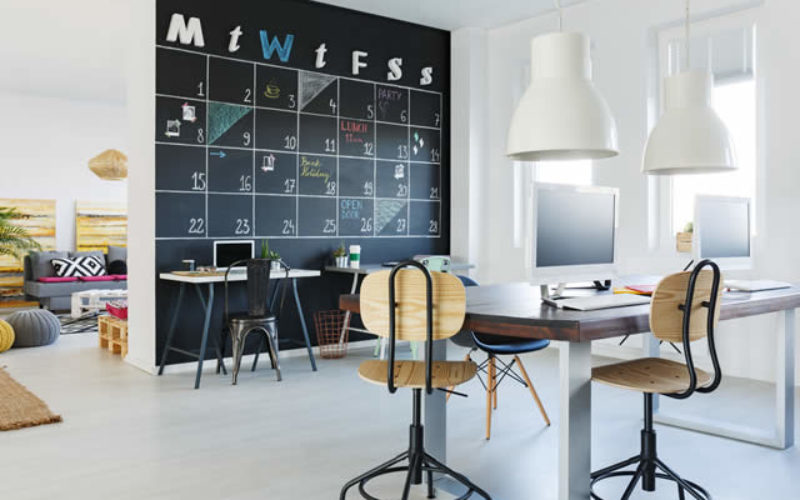
view illustration “becoming a bank”
Download this PDF for a concise summary of what to know about …?


Calendar For:
Home Maintenance
File Type:


… view our sharing links below for a quick "share the knowledge"
Cover image credit: designing study room by 123rf.com
end of post … please share it!
 |
did you find this designing study room analysis helpful? If so, please share the article with your friends and family! |
Nice pic idea? Leave us a quick comment below.
And please share this pic idea within your social networks.