Summary Outline –
Imagine a garden that thrives without soil, defies seasonal constraints, and fits snugly into your backyard. Welcome to the world of hydroponic gardening—a revolutionary approach to sustainable living.
This method of growing plants in nutrient-rich water opens up a universe of possibilities for home gardeners and sustainability enthusiasts alike.
Whether you’re a seasoned green thumb or just starting your eco-friendly adventure, this guide will illuminate every aspect of setting up your very own backyard hydroponic garden.

-
Quick scroll to first topic about hydroponic gardening …

first “hydroponic gardening” idea

copyright image by 123rf.com
Hydro Tip 1: Understanding Hydroponic Gardening
Notes:
-
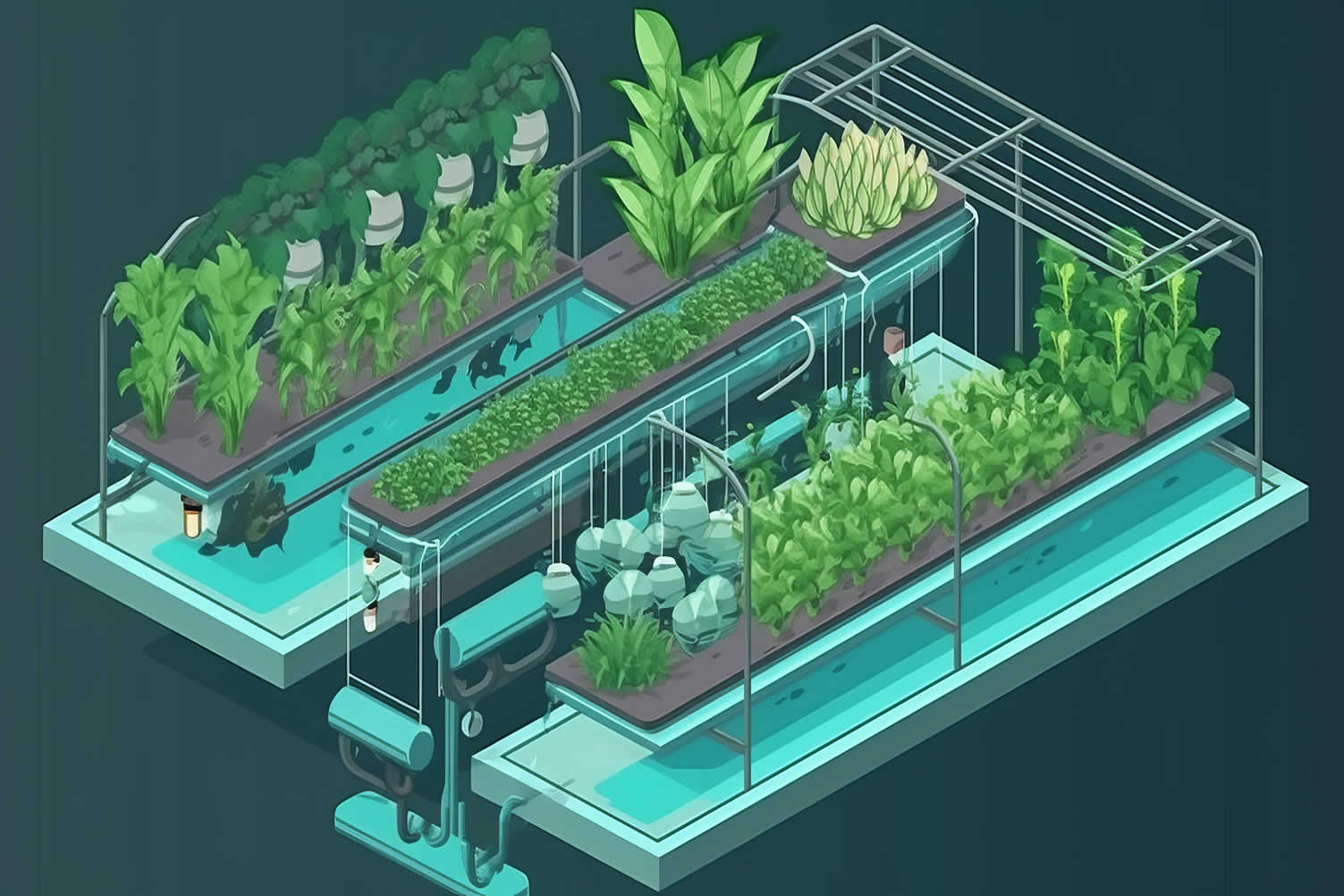
Hydroponic gardening is a soil-free method of growing plants using mineral nutrient solutions in water. Unlike traditional gardening, hydroponics allows you to cultivate plants in a controlled environment with optimized conditions.
This innovative approach yields faster growth rates and higher productivity. By focusing on the plant’s needs directly, hydroponics minimizes waste and maximizes efficiency. This makes it an excellent choice for anyone interested in combining gardening with sustainable practices.
The concept is simple yet powerful. Instead of extracting nutrients from the soil, plant roots are immersed in a nutrient solution that provides everything they need.
This method allows for precise control over nutrient balance and environmental conditions, making it possible to grow healthy and robust plants year-round. The flexibility of hydroponics means you can adapt it to any space, from a small balcony to a sprawling backyard.
For home gardeners and sustainability enthusiasts, hydroponics offers an opportunity to explore a new way of living. It’s about more than just growing plants—it’s a step towards self-sufficiency and a more sustainable future.
With hydroponics, you can become part of a global movement that embraces innovative agricultural techniques and responsible resource management
-
Quick scroll to “understanding hydroponics” side notes …
-
-
1st: Benefits of a Backyard Hydroponic Garden
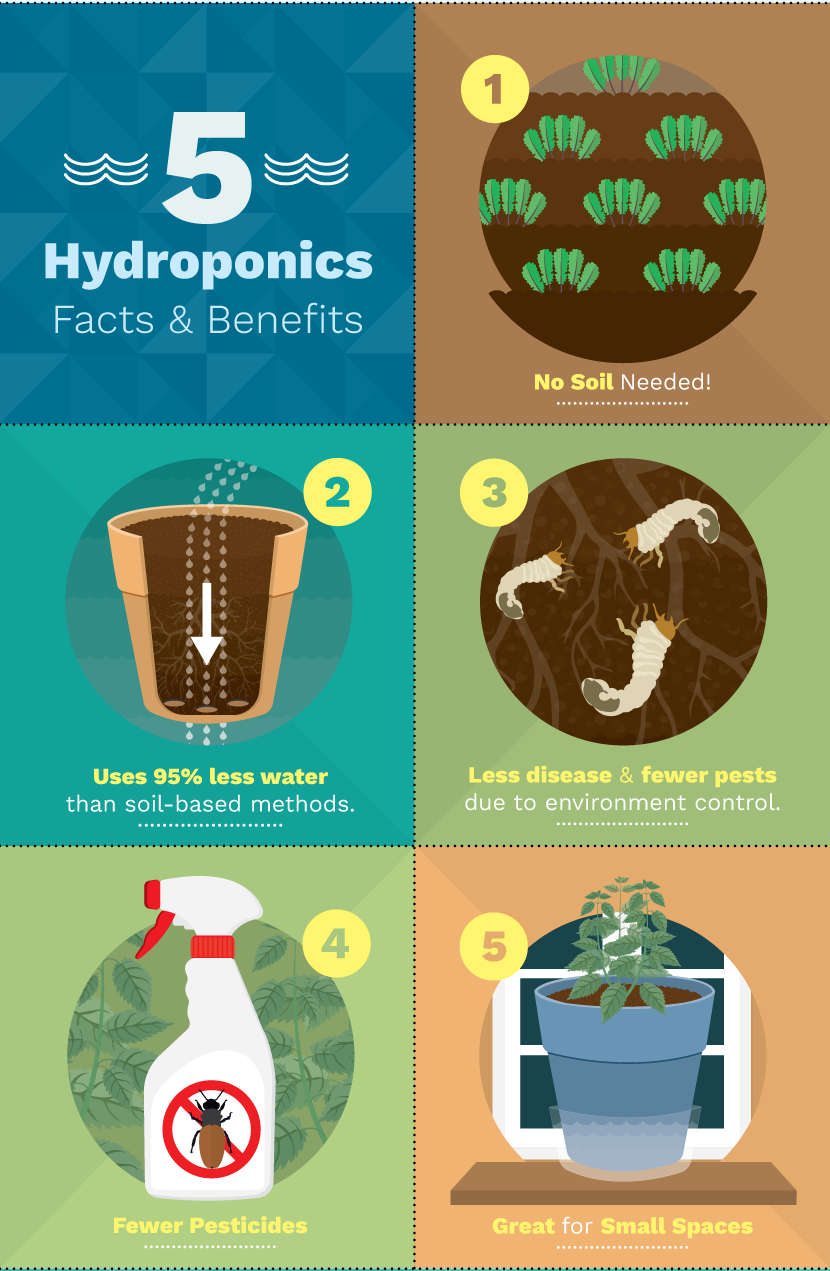
Starting a backyard hydroponic garden has numerous benefits, especially for those passionate about sustainability. One of the most significant advantages is the potential for year-round growth.
Unlike traditional gardens tied to seasonal changes, hydroponics lets you grow fresh produce anytime. This means you can enjoy homegrown tomatoes in December or fresh basil all winter long.
copyright image by 123rf.com
Sustainability is another critical factor. By using water more efficiently, hydroponic systems can reduce water usage by up to 90% compared to conventional gardening.
This makes it an ideal choice for environmentally conscious gardeners. Additionally, since hydroponic gardens do not require soil, they eliminate the use of harmful pesticides and fertilizers that can leach into the ground and waterways.
Space efficiency is another compelling aspect of hydroponics. A hydroponic system can be set up in a small area, making it perfect for urban dwellers or anyone with limited space.
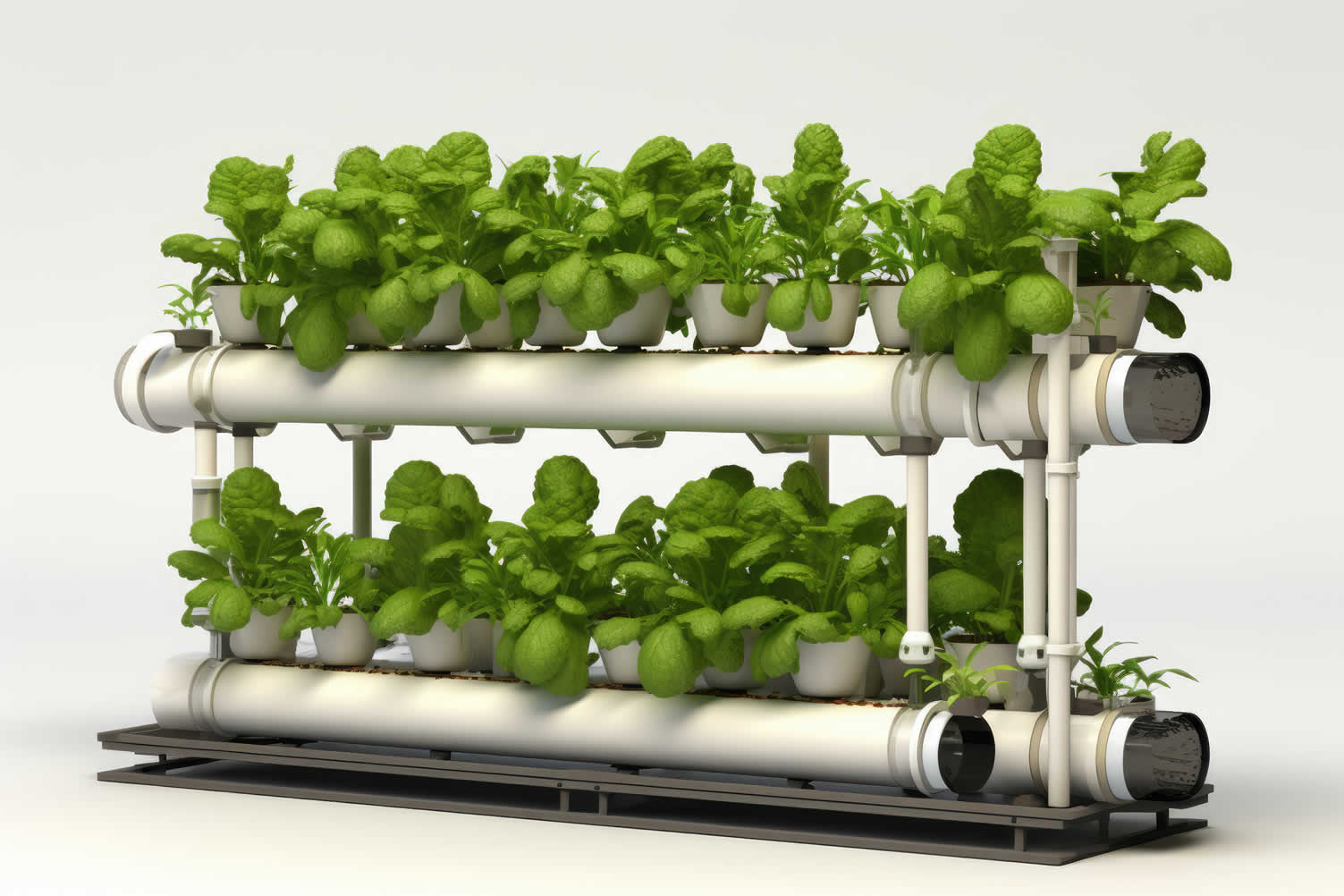
Vertical hydroponic systems can maximize the use of available space, allowing you to grow more plants in a smaller footprint. This not only enhances productivity but also makes it easier to manage and maintain your garden.
[ view images: backyard hydroponic garden ]
[ youtube: home hydroponic farm ]

-
2nd: Understanding Commercial Hydroponic Operations
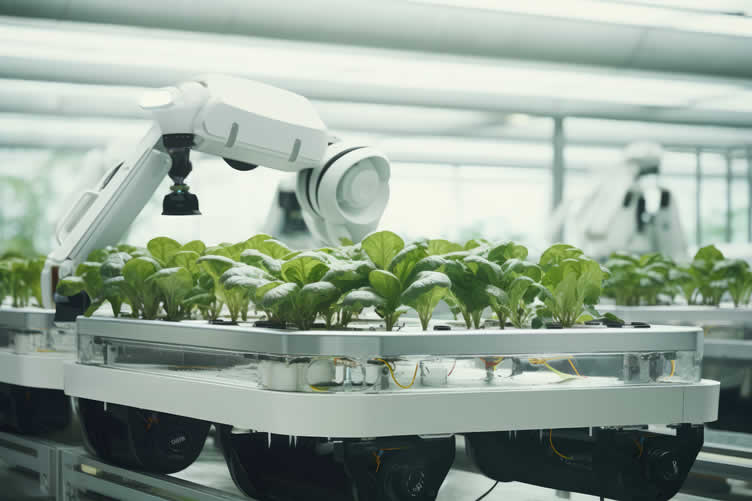
Commercial hydroponic operations represent a significant shift in agricultural practices, offering innovative solutions to some of the industry’s longstanding challenges.
These systems rely on controlled environments to cultivate crops, allowing for optimal growth conditions year-round and significantly increasing yields compared to traditional farming methods.
By eliminating soil, hydroponic farms are not constrained by land quality, making it possible to grow food in regions with poor soil or extreme climates. Additionally, commercial hydroponic farming utilizes water and nutrients more efficiently, drastically reducing resource consumption.
The impact of hydroponic operations on traditional farming is multifaceted. On one hand, they offer a sustainable alternative, enabling the production of high-quality produce with minimal environmental impact. This can lead to reduced pesticide usage, lower carbon footprints, and a decrease in land degradation.
On the other hand, adopting hydroponic methods widely may require shifts in the agricultural labor market and infrastructure, demanding new skill sets and technologies.
Nevertheless, as these operations continue to demonstrate their value, they are poised to complement and, in some cases, replace conventional farming as an integral part of the future food production landscape.
copyright image by 123rf.com
[ view images: commercial hydroponic farming]
[ youtube: world’s largest indoor farms]
-
-
ideas to view and compare from the information discussed above
Scroll up to directory … or scroll to next section about hydroponic gardening …

… components of a successful hydroponic garden

second “photo remodeling” idea
copyright image by 123rf.com
Hydro Tip 2: How Hydroponic Gardening Works?
Notes:
-
Hydroponic gardening is a method of growing plants without soil, using mineral nutrient solutions in an aqueous solvent. This innovative approach to agriculture allows for precision in controlling the environment that plants need to thrive.
By providing nutrients directly to the plant roots through a water-based solution, hydroponic systems can deliver optimal conditions for plant growth, often leading to faster development and higher yields compared to traditional soil gardening.
As agricultural demands rise and urban spaces become more limited, hydroponic gardening represents a significant shift towards sustainable and efficient food production.
-
Quick scroll to “how hydroponics work” side notes …
-
-
1st: Key Elements of a Hydroponic System
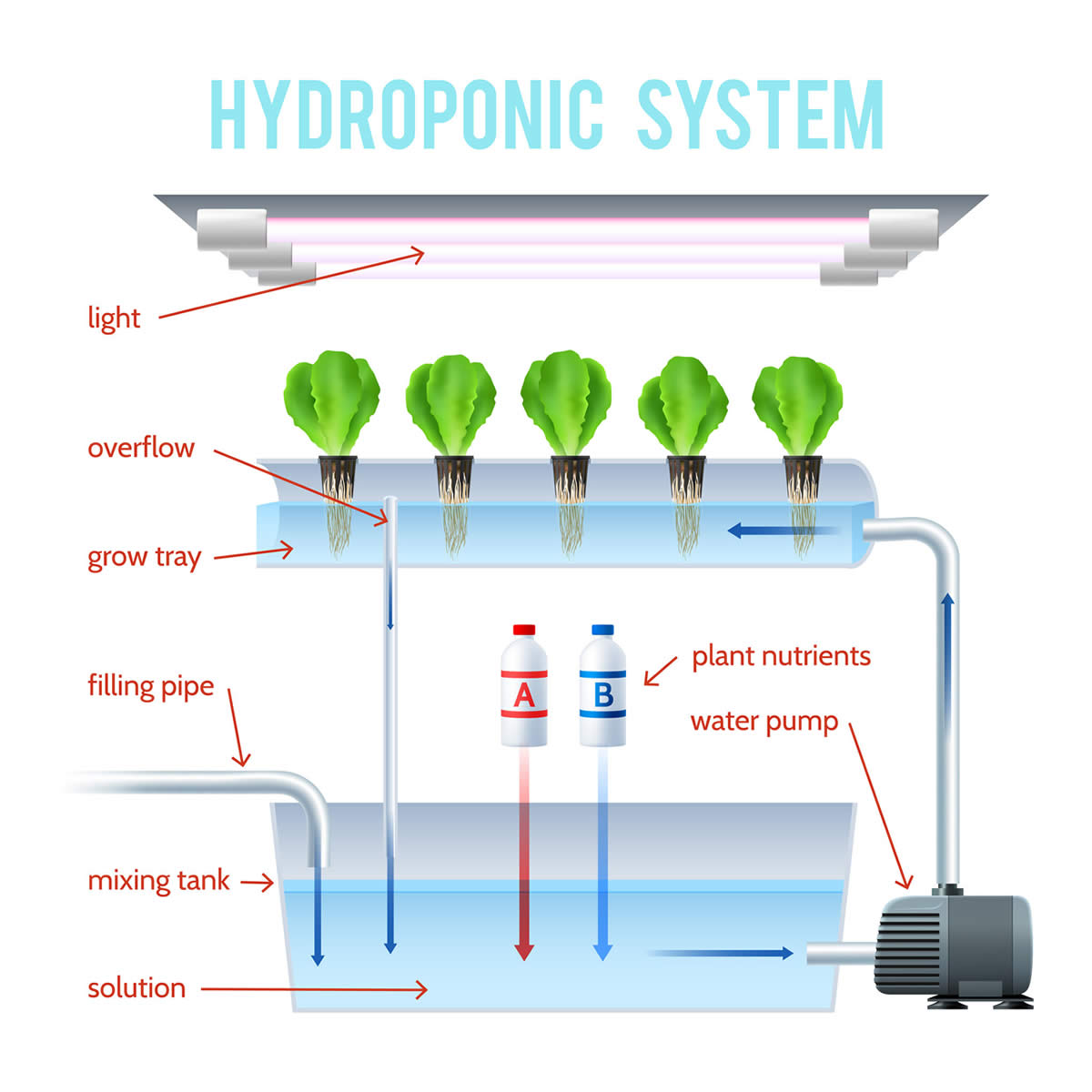
A hydroponic system consists of several fundamental elements that are crucial for its successful operation.
These elements include a nutrient-rich water solution, which provides essential minerals and nutrients directly to the plants’ roots, and a growing medium, which supports the plants while allowing for adequate drainage and aeration.
Additionally, a reliable pump is necessary to circulate the water and maintain consistent moisture levels, while proper lighting is essential for photosynthesis, especially in indoor setups.
Finally, monitoring equipment for pH and nutrient levels ensures that the plants receive the optimal conditions for growth, making each element vital to the overall health and productivity of the system.
The particular hydroponic system elements include the following:
-
Lighting
Lighting is an essential component of an outdoor hydroponic garden, as it directly affects the growth and health of your plants. While natural sunlight is an excellent source of energy for photosynthesis, supplemental lighting may be required, especially in regions with less consistent sunlight or during periods of extended cloud cover.
LED grow lights are a popular choice for hydroponic systems due to their energy efficiency and spectrum customization capabilities, allowing you to provide the precise light conditions your plants need.
It’s crucial to position your lighting system correctly to ensure even coverage and avoid any shadows that might hinder plant growth. By carefully designing your lighting strategy, you can optimize plant development and maximize yield in your outdoor hydroponic garden.
-
Growing Tray
The growing tray is a crucial component of your outdoor hydroponic garden system. It serves as the primary support structure for your plants, holding the grow medium in which your plants will root and grow.
The tray needs to be robust enough to accommodate the weight of both the plants and the grow medium, as well as accommodate the nutrient solution required to nourish the plants.
You’ll want to choose a tray that is the right size for your available space and tailored to the type and number of plants you intend to grow.
The material of the tray should be resistant to corrosion and able to withstand outdoor conditions, ensuring that your hydroponic system remains durable and effective over the long term.
-
Water Pump with Overflow Pipe
The water pump is an integral part of your hydroponic garden system, responsible for circulating the nutrient-rich water solution throughout the system. It ensures that your plants receive a consistent supply of nutrients and oxygen, essential for their healthy growth.
When selecting a water pump, it’s important to choose one with the appropriate capacity for your garden size, ensuring efficient water movement and optimal nutrient distribution.
Additionally, incorporating an overflow pipe is crucial for maintaining a balanced water level within the system.
This feature prevents excessive water from accumulating, which can lead to potential damage or water-logging in the plant roots. Therefore, the pump and overflow pipe work in tandem to create a stable and thriving environment for your plants.
-
Nutrient Solution and pH Balance
For optimal growth in a hydroponic system, providing the right nutrients and maintaining the correct pH balance is crucial. The nutrient solution, which is a mix of essential minerals and elements, acts as the lifeline for your plants.
It is important to tailor the concentration of nutrients to the specific needs of the plants you are growing, ensuring they receive the right balance of nitrogen, phosphorus, potassium, and other micro-nutrients.
Equally important is the pH balance of the solution, which should typically be kept between 5.5 and 6.5. Maintaining proper pH levels allows plants to absorb nutrients efficiently, promoting healthy growth.
Regular monitoring and adjustment of the pH are necessary, as fluctuations can hinder nutrient uptake and affect plant health. By providing both the nutrients and a balanced pH, you establish a thriving environment that supports robust plant development.
copyright image by 123rf.com
[ view diagram: elements of a hydroponic system ]
[ youtube: key components of a hydroponic system ]
-
-
2nd: How a Generic Hydroponic System Works
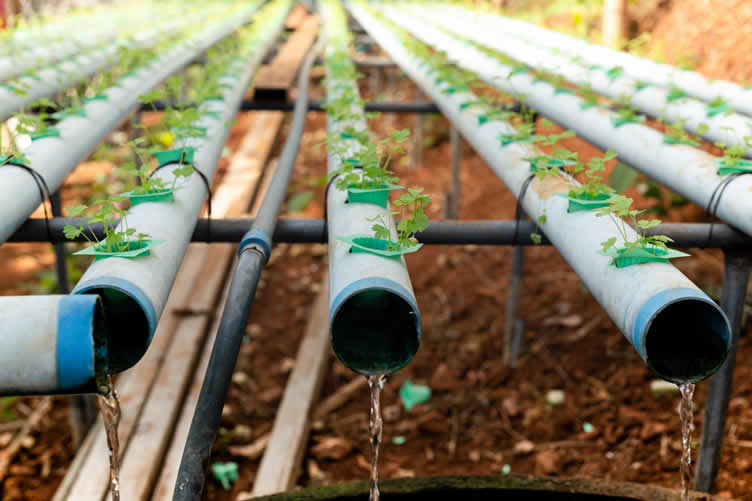
Hydroponic systems represent a groundbreaking approach to agriculture, using a soil-less method of growing plants that harnesses the power of water and nutrients. This innovative system allows for plants to be cultivated in various controlled environments, maximizing growth potential and resource efficiency.
Below, we explore the key components that come together to make a hydroponic system function optimally.
-
Growing Medium
While traditional gardening relies on soil, hydroponic systems use inert growing mediums such as coconut coir, perlite, or rock wool. These mediums provide support to the plant roots and facilitate efficient nutrient absorption and water retention.
They allow for steady anchoring of the plant while ensuring adequate aeration, which is crucial for root health.
-
Water Delivery System
Central to the operation of a hydroponic system is the water delivery mechanism. This includes a network of pumps and tubing that circulate the nutrient-rich water solution directly to the plant roots.
The design of the delivery system ensures that each plant receives a consistent supply of water and nutrients, optimizing growth and conserving water resources.
-
Lighting
In hydroponics, especially in indoor setups, artificial lighting replicates the sunlight necessary for photosynthesis. LED and fluorescent lights are commonly used due to their efficiency and ability to provide specific wavelengths that encourage plant growth. Proper lighting schedules and intensities are crucial to simulate natural growth cycles and maximize yield.
Both small and large hydroponic systems can be effectively housed in greenhouses, which serve to optimize natural light and provide crucial climate control. This setup not only ensures maximum output of crops but also shields them from environmental pests and diseases.
By utilizing greenhouses, growers can create a more controlled environment that can regulate temperature, humidity, and light exposure, leading to healthier plants and better yields.
Moreover, these systems allow for year-round cultivation, making it possible to produce fresh, nutritious food regardless of external weather conditions.
-
Aeration System
Oxygenation of the nutrient solution is a critical factor in hydroponic gardening. An aeration system, often composed of air pumps and air stones, introduces oxygen into the water.
This enhances nutrient uptake and prevents root diseases by ensuring roots receive an adequate supply of oxygen.
copyright image by 123rf.com
[ view diagram: how a hydroponic system works ]
[ youtube: what is hydroponics ]
-
-
3rd: The Basics of a Hydroponic Systems
One of the essential aspects of hydroponic gardening is understanding its various systems, each uniquely suited for different types of plants and growth outcomes.
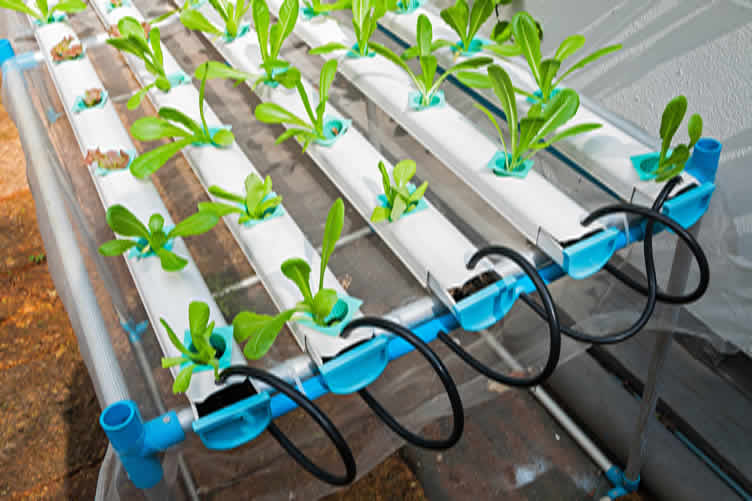
Systems such as Nutrient Film Technique (NFT), Deep Water Culture (DWC), and Drip Systems vary in their method of nutrient delivery, water management, and space efficiency. NFT uses a thin film of nutrient solution flowing over the roots, providing constant access to nutrients and oxygen.
In contrast, DWC suspends plant roots in a nutrient-rich water solution, while Drip Systems deliver nutrient solutions through emitters directly to each plant.
-
Advantages of Hydroponic Gardening
Hydroponic gardening offers numerous advantages, making it an appealing choice for both commercial and hobbyist growers.
One of the most significant benefits is the potential for increased growth rates and yields due to the precise control of nutrients and environmental conditions.
Additionally, because hydroponic setups can be placed indoors, growers can achieve year-round production, irrespective of seasonal changes.
Moreover, hydroponics conserves water and uses space more efficiently than traditional soil-based gardening, aligning perfectly with sustainable agricultural practices.
-
Challenges and Considerations
While hydroponic gardening presents many benefits, it also comes with its own set of challenges. These systems require a careful balance of water, nutrients, and environmental conditions, which means that consistent monitoring and maintenance are necessary to ensure plant health.
Additionally, the initial setup cost can be higher compared to traditional gardening, as specialized equipment such as lights, pumps, and growth mediums are required for optimal performance.
Understanding these challenges and preparing for them can lead to a successful and rewarding hydroponic gardening experience.
copyright image by 123rf.com
-
-
-
ideas to view and compare from the information discussed above
Scroll up to directory … or scroll to next section about hydroponic gardening …

addressing how-to hydroponic garden and other home improvement needs …

… grab this directory of ideas for future use



… yard n’ garden and remodeling decisions
May We Suggest Other Photo Remodeling Ideas About
“Home Sustainable Management …” (new win)


third “photo remodeling” idea
copyright image by 123rf.com
Hydro Tip 3: Selecting the Best System for Your Hydroponic Needs
Notes:
-
Hydroponic systems offer a modern, efficient method for cultivating plants using a soil-less environment, primarily relying on nutrient-rich water solutions. This innovative technique supports the rapid growth of plants while maximizing space and resources.
Different types of hydroponic setups cater to varied needs, from small-scale home gardens to expansive commercial operations.
In the following review, we explore the different types of hydroponic systems, identify which plants thrive best in specific gardening setups, and provide guidance on how to construct your own hydroponic system.
-
Quick scroll to “hydroponic types” side notes …
-
-
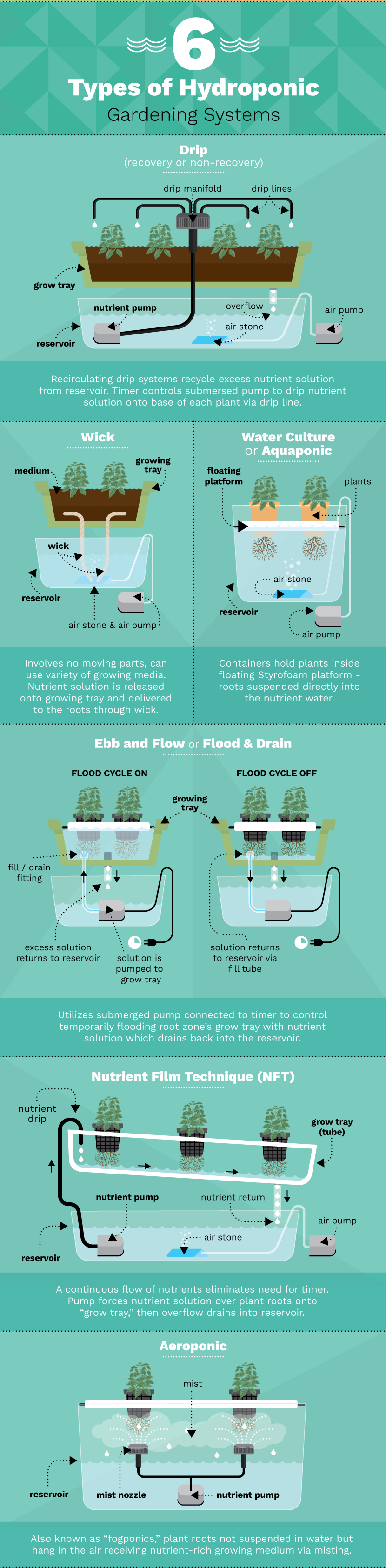
1st: Different Types of Hydroponic Systems
Hydroponic gardening offers various methods to grow plants without soil, providing an efficient and often space-saving alternative to traditional gardening.
Each system has unique approaches to delivering nutrients and water to plants, making it essential to select a system that aligns with your specific space, budget, and goals.
Below are detailed descriptions and analyses of some popular hydroponic systems available today.
[ see diagrams below: hydroponic systems ]
-
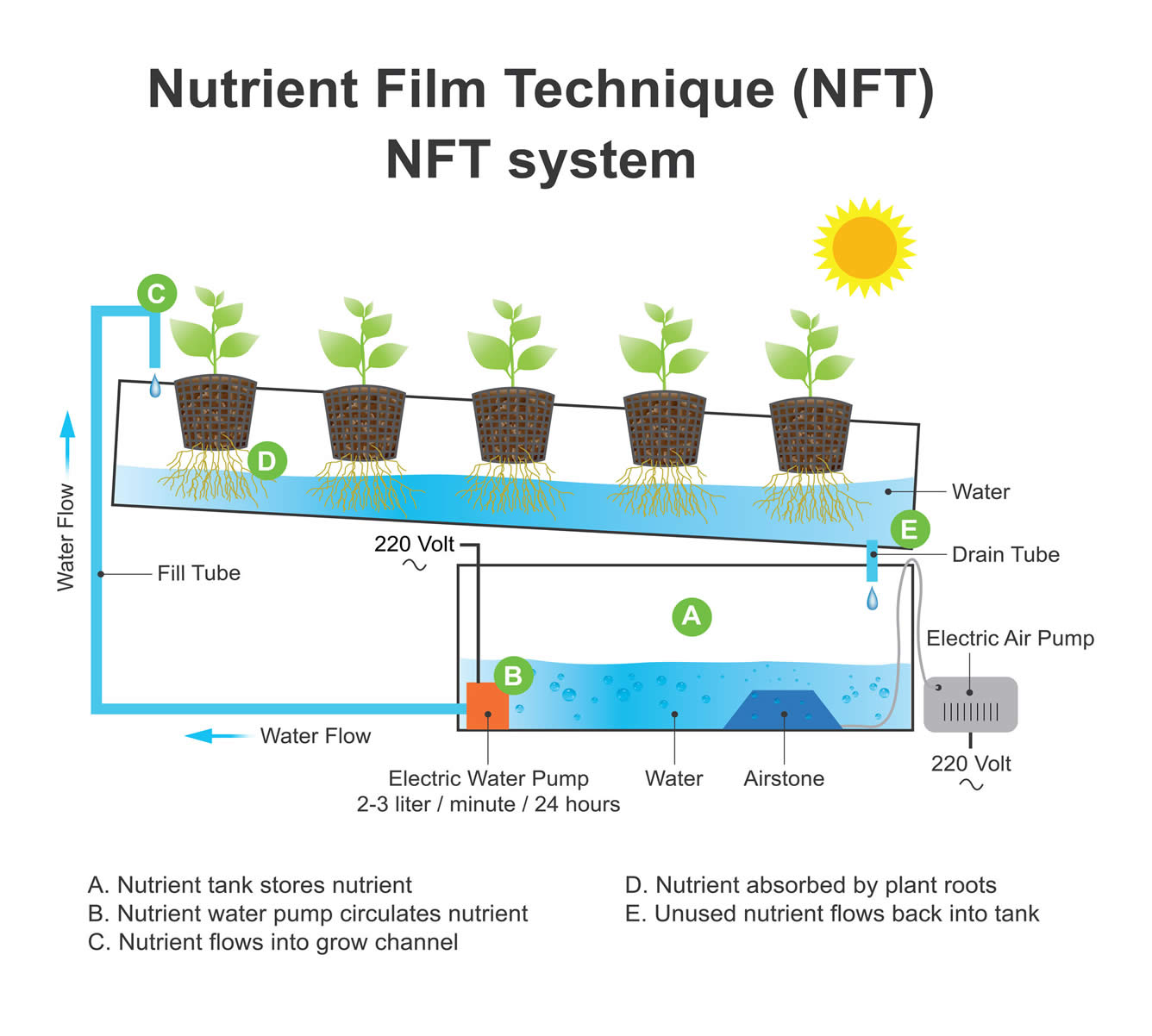
Nutrient Film Technique (NFT)
The Nutrient Film Technique is a popular hydroponic system where a continuous flow of nutrient-rich solution runs over the roots of the plants. This method is water-efficient as the solution recirculates, reducing waste. NFT systems are well-suited for small plants and leafy greens.
However, the delicate nature of this system means it is highly reliant on pumps, and any failure can lead to rapid drying out of plant roots.
-
Deep Water Culture (DWC)
Deep Water Culture is a straightforward and effective method where plant roots are suspended in a nutrient-rich, oxygenated water solution. This setup allows the roots to absorb nutrients continuously, leading to fast growth rates.
A critical advantage of DWC is its low maintenance once established. However, maintaining the correct oxygen level is vital, as inadequate aeration can result in root rot.
-
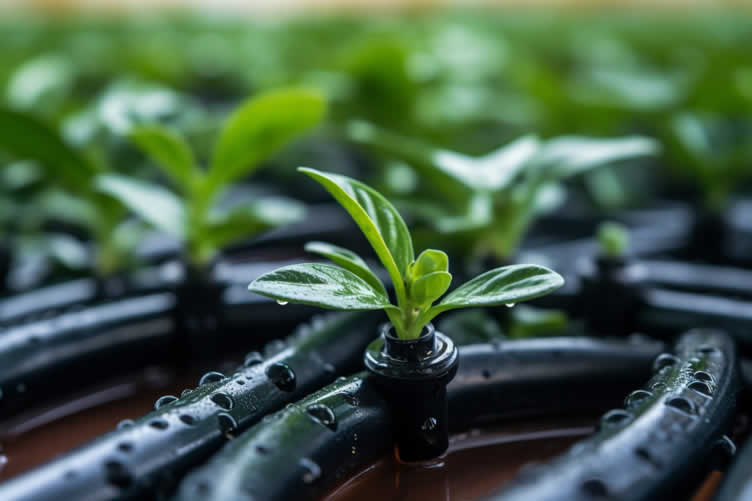
Drip System
Drip systems deliver nutrient solutions directly to the base of each plant using a network of tubes and emitters. This method provides precise control over the amount of nutrients distributed, making it highly efficient.
Drip systems are versatile and can support various plant sizes and types. The main downside is the potential for emitter clogging, which requires regular maintenance and monitoring.
-
Ebb and Flow System
The Ebb and Flow system, also known as the Flood and Drain system, involves periodically flooding the plant roots with a nutrient solution before draining it away. This provides plants with access to oxygen and nutrients at alternating intervals, promoting healthy growth.
Ebb and Flow is suitable for a wide range of plants and is relatively easy to maintain. However, it requires more space compared to other systems and can be prone to mechanical failures.
-
Wick System
The Wick System is the simplest form of hydroponics, using a wick to draw nutrient solution from a reservoir to the plant roots. It is a passive system with no moving parts, making it ideal for beginners.
Despite its simplicity, it is not very efficient for larger plants or those with high nutrient demands, as the wick may not supply enough solution.
-
Aeroponic System
Aeroponics involves suspending plants in the air and misting the roots with a nutrient solution. This system maximizes oxygen exposure, leading to rapid growth and efficient nutrient uptake.
Aeroponics are highly productive and use less water compared to other setups. However, they are also costly and complex, requiring precise control and regular monitoring for success.
copyright image by 123rf.com
[ pinterest: types hydroponic systems ]
[ youtube: which hydroponic system to choose ]
-
-
2nd: Choosing the Right Location
Selecting the perfect spot for your hydroponic garden is crucial for its success. The location can greatly impact how well your plants grow, based on factors such as light exposure, temperature regulation, and accessibility.
Below are recommended types of locations, along with considerations for each, to help you effectively station your hydroponic systems outdoors.
[ see below: hydroponic locations ]
-
Designated Backyard Garden Area
A designated backyard garden area is a popular choice for hydroponic systems. It provides the benefit of ample space, allowing for multiple systems or larger-scale setups.
Ensure that this area receives adequate sunlight, typically six to eight hours per day, and is shielded from strong winds to prevent damage to the plants.
Make sure the area is accessible for easy maintenance and monitoring, and consider installing a protective cover or greenhouse to modulate temperature and protect from excessive rainfall.
-
Greenhouse
Using a greenhouse is an excellent way to station your hydroponic garden, as it allows for a controlled environment that can enhance plant growth. A greenhouse offers protection from environmental extremes and pests, while still permitting natural light to nurture plants.
When setting up your hydroponics in a greenhouse, ensure proper ventilation to avoid humidity levels that are too high, which can encourage fungal growth. Greenhouses are ideal for year-round cultivation, providing the flexibility to grow a wider variety of plants regardless of the season.
-
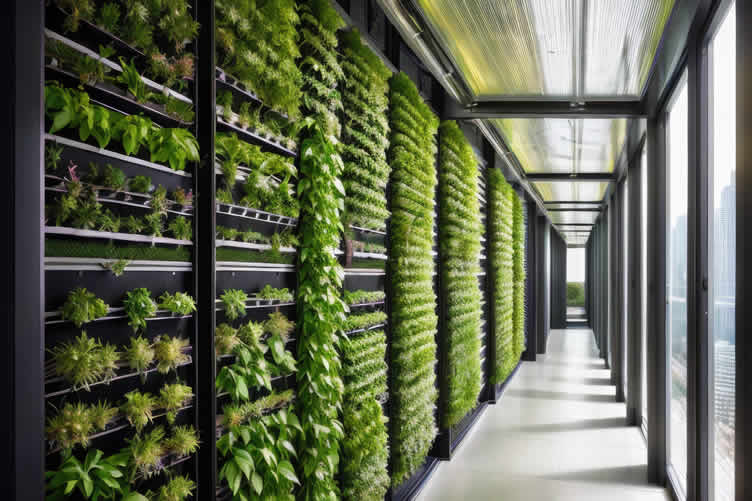
Vertical Garden
Implementing a vertical garden is a resourceful way to utilize limited space effectively. This option is particularly advantageous in urban environments where outdoor ground area is scarce.
Vertical gardens can be installed on walls or freestanding structures, turning otherwise unused spaces into productive growing areas. Make sure the vertical setup is stable and consider the weight of the hydroponic systems, especially after adding water.
Additionally, ensure each section receives consistent sunlight and that there is adequate support for water and nutrient distribution across all levels.
-
Other Locations
Beyond traditional spaces, consider alternative stationing options such as rooftops or balconies, particularly in urban settings. These locations can provide ample sunlight and utilize architectural space innovatively.
When choosing such locations, be careful to evaluate the structural support to ensure it can manage the weight and moisture levels of the hydroponic system. Additionally, privacy and safety considerations such as barriers or railings may be necessary to prevent system damage and ensure security in high elevation spaces.
copyright image by 123rf.com
[ pinterest: backyard hydroponic greenhouse ]
[ youtube: outdoor hydroponic garden ]
-
-
3rd: Should You Buy or Build a Hydroponic System?
When considering starting a hydroponic garden, a fundamental decision is whether to purchase a ready-made system, build one from scratch, or use a combination of both approaches.
Purchasing a pre-made hydroponic system can offer convenience and reliability, especially for beginners. These systems come with all necessary components and are often designed to maximize efficiency and yield, making them ideal for those looking to get started quickly without much hassle.
On the other hand, building a hydroponic system allows for customization that can suit specific preferences and requirements. It provides the flexibility to choose materials, tailor the size and structure, and even incorporate unique features.
For enthusiasts who enjoy hands-on projects, constructing a system can be rewarding and cost-effective, given that it allows the selection of affordable materials.
A hybrid approach—combining elements of buying and building—is also viable. Many opt to purchase essential components like pumps and timers and construct the remaining parts of the system to fit their personal needs and space constraints. This approach blends the convenience of pre-made systems with the customization and adaptability of a DIY setup.
Ultimately, the decision should be guided by personal goals, budget, experience level, and the specific demands of the crops being grown. Whether opting to buy, build, or combine, understanding each system’s requirements and benefits will help ensure a thriving hydroponic garden.
copyright image by 123rf.com
[ pinterest: best hydroponic system for beginners ]
[ youtube: best vertical hydroponic systems ]
-
4th: Building Your Outdoor Hydroponic Garden System
Embarking on the journey to create your own outdoor hydroponic garden system can be a highly rewarding endeavor. This process not only allows for the cultivation of fresh produce all year round but also empowers you to customize and optimize the setup according to your unique environment and preferences.
Whether you’re a seasoned gardener or a curious beginner, crafting your hydroponic garden system outdoors provides an opportunity to innovate and embrace sustainable practices.
-
Step 1: Gathering Materials and Tools
Before beginning the construction of your system, it’s essential to gather all necessary materials and tools. Basic components required include PVC pipes or containers for the plant beds, a water pump, air pump, growing medium (such as clay pellets or coconut coir), and nutrient solution.
Depending on your setup, you might also need a fountain pump timer, tubing, and connectors. Ensure you have tools like a drill, saw, and measuring tape to aid in assembly.
-
Step 2: Designing the System Layout
The next step involves drawing up a layout plan for your hydroponic system. Decide on the type of system you want to build, such as a vertical tower, deep water culture, or nutrient film technique setup. Consider factors like space availability, sunlight exposure, and crop types.
Sketch the layout to determine where each component will be placed, ensuring an efficient water flow and ample space for plant growth.
-
Step 3: Constructing the Plant Beds
Begin by assembling the structure for the plant beds using your chosen containers or PVC pipes. If using pipes, drill holes at regular intervals to accommodate the plants.
Ensure that the structure is stable and secure, particularly for outdoor use where wind and weather may pose challenges. Position the plant beds in a manner that allows optimal access to natural resources, such as sunlight and water flow.
-
Step 4: Setting Up the Water and Nutrient System
Install the water pump in your reservoir, which will supply the nutrient solution to your plant beds. Connect the pump to the plant beds using tubing, ensuring that the connection is watertight.
Set up the air pump if you’re using a method that requires oxygenation. Test the system to make sure the water flows evenly across all plant beds and that the nutrient solution is reaching each plant.
-
Step 5: Adding Plants and Monitoring Growth
Finally, transplant your seedlings or plants into the hydroponic system, ensuring that they are securely placed in the growing medium.
Begin by adding half-strength nutrient solution to help the plants adjust to their new environment. Regularly monitor the pH and nutrient levels, adjusting as necessary. Keep a close eye on plant growth and make necessary adjustments to the system to promote optimal health and yield.
By following these steps, you’ll not only establish a thriving hydroponic garden but also gain deeper insight into the science of soil-less gardening, enhancing your ability to cultivate plants sustainably outdoors.
copyright image by 123rf.com
[ view diagram: DIY hydroponic system diagram ]
[ youtube: make a mini hydroponics system ]
-
-
-
ideas to view and compare from the information discussed above
Scroll up to directory … or scroll to next section about hydroponic gardening …
SHARE IT ..! You might have someone in your social network who could find this informative post hydroponic gardening valuable. Feel free to share it on Facebook, X (formally Twitter), LinkedIn, or Pinterest!


Budgeting Worksheet For Costing Home Remodeling and Home Improvement Decisions
 File Type (excel)

fourth “photo remodeling” idea
copyright image by 123rf.com
Hydro Tip 4: Setting Up Your Hydroponic Garden
Notes:
-
Setting up a hydroponic garden in your backyard may seem daunting, but it’s manageable with the proper guidance. Start by choosing a suitable location.
Ideally, find a spot that gets ample natural light and is easily accessible for maintenance. If natural light is limited, plan to install grow lights to supplement the light your plants receive.
Once you’ve chosen a location, set up your hydroponic system according to the manufacturer’s instructions. Assemble the reservoir, pump, and any tubing or channels needed for your specific design. Fill the reservoir with water and add the appropriate nutrient solution, following the manufacturer’s guidelines for concentration and mixing.
Place your plants in net pots filled with a growing medium like clay pellets or rock wool, which provide stability and support for the roots. Position the net pots in the system so that the roots are in contact with the nutrient solution.
Regularly check the water level, pH, and nutrient concentration, adjusting as needed to maintain optimal conditions for your plants.
-
Quick scroll to “setting-up” side notes …
-
-
1st: Choosing the Right Plants
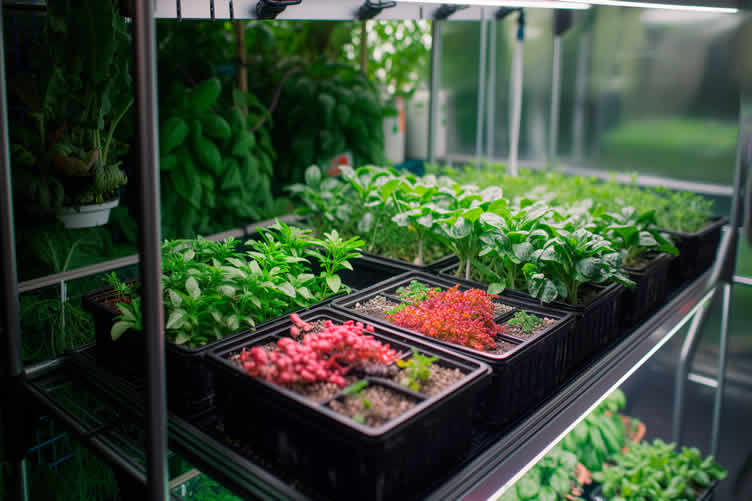
Not all plants are suitable for hydroponic gardening, so choosing the right ones is crucial for success. Leafy greens like lettuce, spinach, and kale are excellent choices for beginners due to their fast growth and low nutrient requirements.
Herbs such as basil, mint, and cilantro also thrive in hydroponic systems, providing fresh flavors for your kitchen year-round.
For those looking to grow fruits and vegetables, consider tomatoes, strawberries, or peppers. These plants may require more attention and higher nutrient levels, but the rewards of harvesting fresh produce are well worth the effort.
Research each plant’s specific needs and adjust your nutrient solution and lighting accordingly.
Experimenting with different plants can be a rewarding experience, allowing you to tailor your garden to your tastes and preferences.
Start with easy-to-grow varieties to build confidence, then expand your garden to include more challenging species as you gain experience. The key to success lies in understanding the requirements of each plant group and choosing the most compatible hydroponic system for their growth.
Below, we explore recommendations for cultivating various types of plants, tailored to the unique demands of each.
-
Leafy Greens
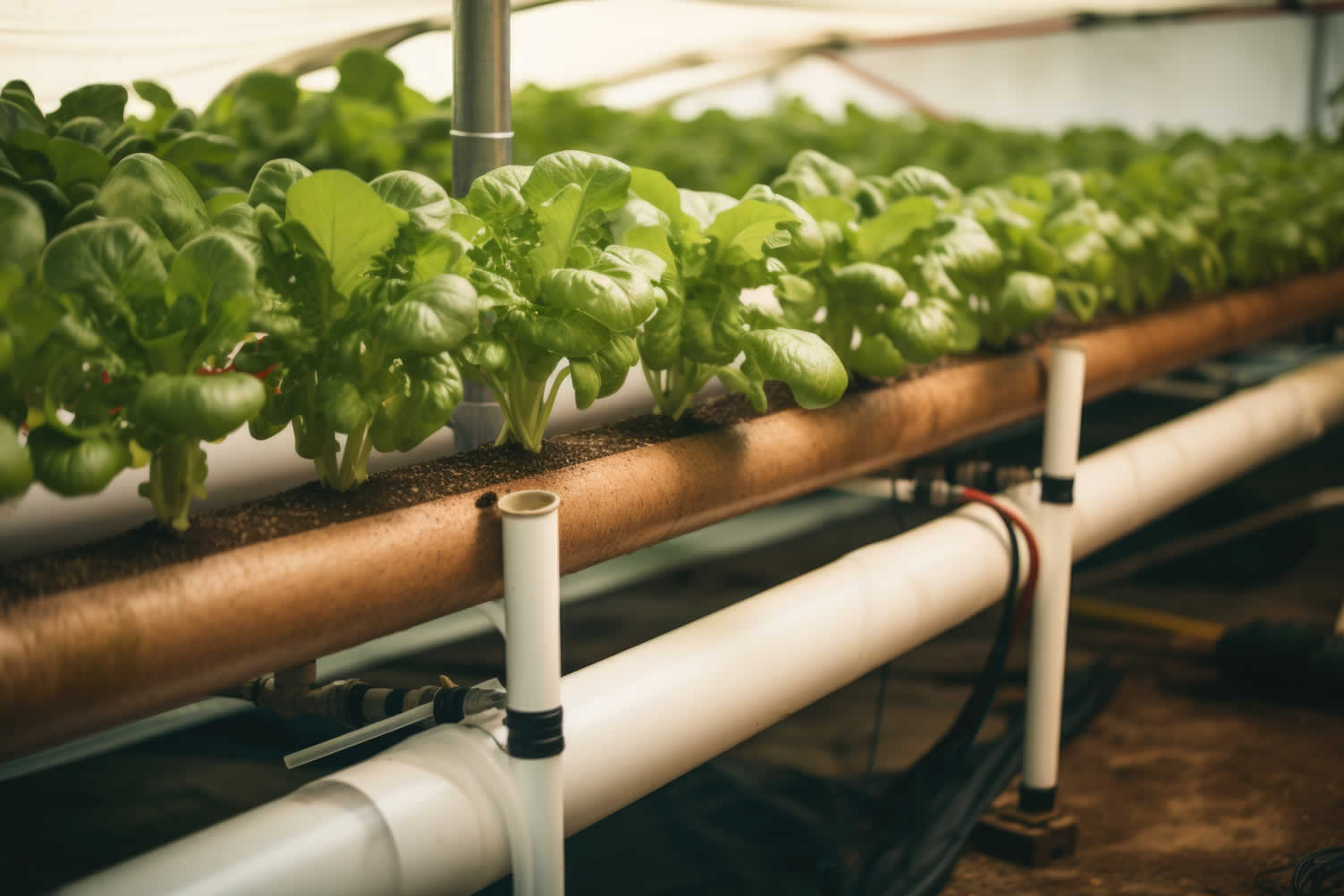
For leafy greens like lettuce, spinach, and kale, a Nutrient Film Technique (NFT) system is ideal. These systems provide a continuous flow of nutrient-rich water to the plants’ roots, ensuring quick growth and efficient nutrient uptake.
Being water-efficient, NFT systems are perfect for beginner hydroponic gardeners.
-
Herbs
Herbs such as basil, mint, and cilantro thrive in a Kratky system. The simplicity of this system, with its passive approach and lack of moving parts, makes it great for beginners who want to grow aromatic herbs with minimal maintenance.
It supports optimal growth with sufficient nutrient supply and air circulation.
-
The Kratky system is a passive hydroponic method that eliminates the need for pumps or active water circulation. It involves suspending plants above a reservoir of nutrient solution, with their roots immersed just enough to absorb the essential nutrients.
As the plants utilize the nutrients and water, the solution level gradually drops, creating an air gap that allows the roots to access oxygen. This straightforward approach makes the Kratky system ideal for beginners by minimizing maintenance while still providing the necessary conditions for plant growth.
-
-
Vegetables
When growing vegetables, consider using a Deep Water Culture (DWC) system. This system immerses the roots in nutrient-rich water, providing constant hydration and nutrition.
It’s highly effective for fast-growing vegetables that require stable, robust support. The DWC system is well-suited for peppers and other small to medium crops.
-
Tomatoes
For tomatoes, opt for a Dutch Bucket system. This setup excels at accommodating larger, fruit-bearing plants. It offers a flexible and scalable approach to managing nutrients and is excellent for supporting robust growth since it can maintain the necessary moisture and nutrient levels for high yields.
-
A Dutch Bucket system is a versatile hydroponic technique that consists of individual containers, or “buckets,” which hold the growing medium and the plant. These buckets are connected to a central nutrient reservoir through a series of tubing, allowing nutrient-rich solution to be delivered directly to the plants.
Excess solution drains back into the reservoir, where it is recirculated, ensuring efficient use of nutrients and water. The system is especially beneficial for larger plants, like tomatoes, as it provides ample space for root expansion and fruit development while maintaining optimal moisture levels.
-
-
Grape Vines
To grow grape vines, a Drip system is recommended. It provides precise control over nutrient delivery, which is crucial for a plant that needs consistent, well-regulated hydration and can particularly benefit grape vines due to their extensive root systems.
-
Berries
Consider a Vertical Hydroponic system for berries like strawberries. These tower setups maximize space and provide efficient nutrient distribution, making them perfect for environments where horizontal space is limited, yet vertical growth is feasible.
-
Fruit Trees
For small fruit trees, an Aeroponic system is ideal. Aeroponic systems suspend plants in the air and mist the roots with nutrient solutions, providing excellent oxygenation and nutrient efficiency. This method is conducive to growth and fruit production in compact spaces.
-
Other Plants
For other specialized plants, such as flowers or unusual edibles, the Ebb and Flow system may be versatile enough to meet their unique needs. This system floods the plant roots periodically with nutrients, supporting a wide variety of plants with various growth cycles.
copyright image by 123rf.com
-
-
2nd: Managing Your Hydroponic Garden
(nutrients, pH and maintenance)
Successfully maintaining a hydroponic garden requires understanding the balance of nutrients, pH levels, and regular system upkeep. Proper management ensures optimal plant health and maximized yields.
Below, we will explore essential maintenance tasks segmented by specific components of the hydroponic gardening process.
-
Nutrient Management
To maintain the right nutrient balance, it is crucial to monitor and adjust the nutrient solution regularly. Begin by testing the electrical conductivity (EC) levels to ensure nutrient concentrations are optimal for plant growth.
Make necessary adjustments by supplementing fresh nutrient solutions every two weeks or as required by the type of plants being cultivated. Regularly cleaning the reservoir before refilling ensures the prevention of salt buildup and potential blockages.
-
pH Level Control
pH levels directly impact nutrient absorption in plants, making it important to maintain a pH range typically between 5.5 and 6.5. Test pH levels every few days using a pH meter and make necessary adjustments using pH-up or pH-down solutions.
Remember to test after any changes in nutrient solution or water source to keep the environment balanced.
-
System Maintenance
Consistency in system maintenance extends the lifespan of your hydroponic setup and promotes healthy plant growth. Inspect and clean pumps, tubing, and emitters regularly to prevent clogging. Replace filters as needed to ensure the efficient circulation of nutrient solutions.
Check for algae growth and take preventative measures, such as adding covers or using an appropriate light filter.
-
Monitoring and Troubleshooting
Regular monitoring of the plants themselves can provide insight into potential nutrient deficiencies or system issues. Look for signs of stress, such as yellowing leaves or stunted growth, which may indicate imbalances.
Maintain a garden log to track all changes and compare plant responses, allowing for proactive troubleshooting and informed decision-making.
By diligently attending to these aspects of hydroponic gardening, you can create a thriving environment that supports robust plant growth and fruitful yields.
copyright image by 123rf.com
[ pinterest: how to manage hydroponic garden ]
[ youtube: Hydroponic : 7 tips I wish I knew ]
-
-
3rd: Using Advanced Technology
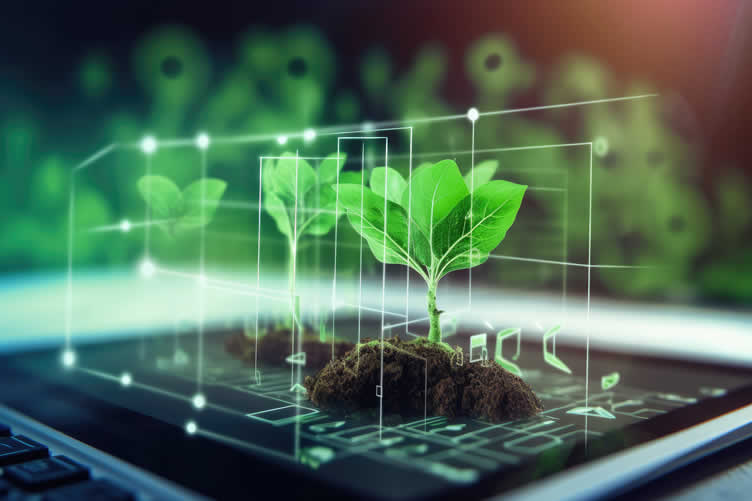
In recent years, advancements in artificial intelligence (AI) and the Internet of Things (IoT) have revolutionized agriculture, providing unprecedented capabilities to optimize indoor gardening.
A smart hydroponic garden leverages these cutting-edge technologies to offer precise control over environmental conditions, facilitating superior plant growth and efficient resource management.
By integrating sensors, data analytics, and automation, growers can create a self-sustaining and highly productive system.
-
Smart Sensors and Data Collection
The foundation of a smart hydroponic garden is an array of IoT-enabled sensors that continuously gather data on various environmental factors such as temperature, humidity, light intensity, and nutrient levels.
These sensors provide real-time insights into the growing conditions, enabling informed adjustments to ensure optimal plant health.
-
Automated Control Systems
Harnessing AI technology, automated control systems analyze sensor data and make real-time decisions to maintain optimal conditions.
By automatically adjusting resources like lighting, water delivery, and nutrient concentration, these systems ensure consistency and efficiency, reducing the need for manual intervention and improving plant productivity.
-
Cloud-based Monitoring and Alerts
Data collected from the garden is stored and analyzed in the cloud, allowing for remote monitoring via smartphone or computer applications.
Growers receive alerts about any anomalies or critical changes in environmental conditions, such as deviations in pH levels or nutrient imbalances, enabling timely interventions to prevent potential issues.
-
Implementing Machine Learning for Predictive Maintenance
Machine learning algorithms analyze historical data to predict maintenance needs and optimize resource usage.
This proactive approach helps in identifying patterns that can forecast equipment failures or nutrient deficiencies, ensuring preventative measures are taken to minimize downtime and maximize yields.
-
Setting Up a Smart Hydroponic System
To establish a smart hydroponic garden, gather the necessary components: IoT-enabled sensors, a central control unit, cloud-based software for data management, and compatible hardware such as pumps and lighting systems.
Ensure your setup includes robust connectivity for seamless communication between devices and proper training on using the system’s software to maximize its capabilities.
By leveraging AI and IoT technologies, growers can transform traditional hydroponic setups into smart gardens that are efficient, scalable, and capable of self-regulation, ultimately leading to enhanced growth and productivity.
copyright image by 123rf.com
-
-
4th: The Future of Home Farming
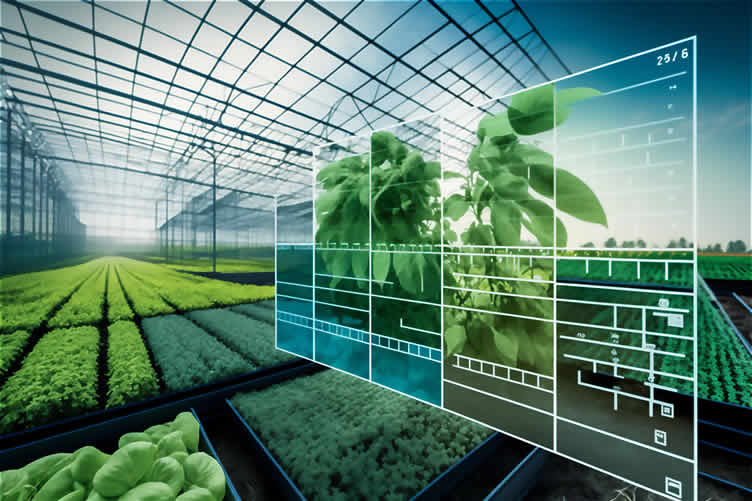
As our world grapples with the challenges of climate change and burgeoning population growth, the future of home farming is becoming an integral part of sustainable living.
Modern advancements in agricultural technology are paving the way for innovative methods that allow individuals to grow more food with fewer resources right at home. These changes not only promise a bountiful harvest but also promote eco-friendly practices.
Let’s delve into the different aspects of future farming that are making this revolution possible.
-
Greenhouses
Greenhouses are increasingly becoming a staple in urban and rural home farming. By providing a controlled environment, they extend growing seasons and protect plants from extreme weather conditions.
With the integration of advanced climate control technologies, greenhouses can maintain optimum temperatures, humidity, and light levels, ensuring that plants thrive year-round.
-
Trellises
Incorporating trellises into home gardens maximizes space and enhances plant yield. This vertical growing technique supports climbing plants like beans, peas, and tomatoes, offering them the structure they need to flourish.
Trellises not only increase productivity but also improve plant health by enhancing air circulation and sunlight exposure.
-
Hydroponic Gardening
With its potential for high efficiency and resource conservation, hydroponic gardening stands at the forefront of sustainable home farming. By eliminating the need for soil, this method allows for precise control over nutrient delivery and environmental conditions, leading to faster growth and higher yields.
Hydroponic systems can be tailored to any living space, from small apartments to expansive yards, making them accessible to everyone interested in greener living.
-
Smart Irrigation
Smart irrigation systems represent a significant leap forward in efficient water usage. By employing sensors and automated controls, these systems adjust watering schedules based on real-time data, minimizing waste and ensuring plants receive the right amount of moisture.
This technology not only conserves water but also reduces costs and contributes to healthier gardens.
-
Other Innovations
The future of home farming is brimming with exciting innovations, from aquaponics to advanced composting methods. Each new development emphasizes resource efficiency and sustainability, guiding home gardeners on a path toward more sustainable living.
As these technologies evolve, they empower individuals to transform their homes into self-sustaining ecosystems, fostering a deeper connection with nature and a commitment to environmental stewardship.
copyright image by 123rf.com
[ view diagram: future farming ideas ]
[ youtube: future of farming ]
-
-
-
ideas to view and compare from the information discussed above
bucket hydroponic systemaeroponic hydroponicshydroponic nutrients
Scroll up to directory … or scroll to next section about hydroponic gardening …

plan the specifications you need for setting up a hydroponic garden …

… and other key home improvement and remodeling decisions


Find Landscaping/Maintenance Landscape Design Landscape Maintenance Pest Control Sprinkler Systems Tree & Shrubs Water Features top-rated, pre-screened local contractors FREE: download contractor selection enter zip code – powered by HomeAdvisor ™
Quick Contractor Guides selecting negotiating working with inspecting

fifth and last “photo remodeling” idea

copyright image by 123rf.com
Hydro Tip 5: Troubleshooting Common Issues
Notes:
-
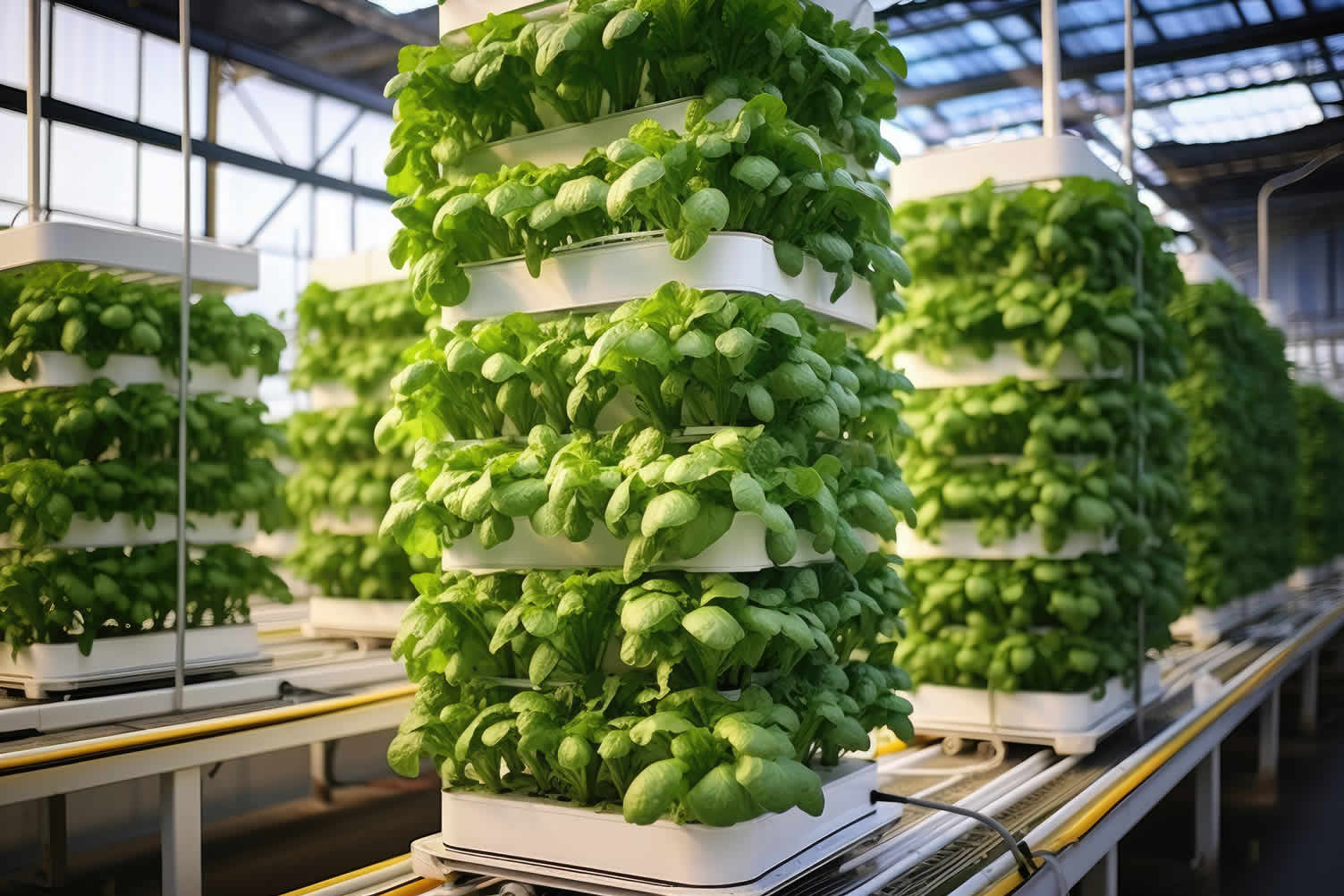
Even the best-laid plans can encounter challenges, and hydroponic gardening is no exception. Common problems include nutrient deficiencies, pests, and algae growth. Regular monitoring and maintenance can help prevent these issues and keep your garden thriving.
Nutrient deficiencies often manifest as yellowing leaves or stunted growth. Test your nutrient solution regularly and adjust the concentration to ensure your plants receive the necessary nutrients. Pests can be managed using natural predators or organic insecticides. Keep your garden clean and free of debris to reduce the risk of infestations.
Algae growth is another common challenge in hydroponic systems. It can be minimized by keeping the reservoir and nutrient solution covered to prevent light exposure. Regularly cleaning your system and changing the nutrient solution can also help keep algae at bay.
-
Quirk scroll to topic "hydro maintenance" side notes …
-
-
1st: What to Look For …
Hydroponic gardening offers an innovative and efficient way to grow plants without soil, but it does come with its own set of challenges. Proper maintenance and timely intervention are crucial to ensuring the health and productivity of your garden.
Here we address some of the most common issues that hydroponic gardeners may encounter and offer practical solutions to overcome them.
-
Nutrient Deficiencies
One of the first signs of nutrient deficiencies in plants is often the yellowing of leaves or stunted growth, which can significantly affect overall health and yield. Regular testing of your nutrient solution is crucial, as it allows you to identify these deficiencies early on, before they escalate into more serious issues.
By monitoring the pH levels and the concentration of various nutrients, you can ensure that your plants are receiving what they need to thrive. If deficiencies are detected, adjusting the concentration of nutrients in your solution can help restore balance.
Additionally, consider using a comprehensive nutrient mix that includes not just the primary macronutrients—nitrogen, phosphorus, and potassium—but also essential micro-nutrients like calcium, magnesium, and iron, which are vital for robust plant growth and development.
Making these adjustments will help promote healthier plants and improve overall productivity.
-
Pest Infestations
Pests such as aphids and spider mites are common nuisances in hydroponic setups and can cause significant damage to your plants if left unchecked. These tiny insects can multiply rapidly, sucking the sap from your plants and weakening them over time.
To combat these pests effectively, consider introducing natural predators like ladybugs, which feast on aphids, or employing organic insecticides that are safe for both your plants and the environment.
Additionally, maintaining a clean garden area free of debris is crucial, as clutter can provide hiding spots for pests. Regularly inspect your plants, looking for any signs of pest activity, such as discolored leaves or tiny webs, to catch infestations early and keep your hydroponic system thriving.
-
Algae Growth
Algae growth can significantly impede plant growth by clogging systems and competing for valuable nutrients essential for healthy development. This unwanted growth not only obstructs water flow and nutrient delivery but can also lead to imbalances in the growing environment, affecting overall plant health.
To effectively prevent algae, it’s crucial to cover nutrient reservoirs to block light exposure, as algae require light to flourish. Additionally, implementing a regular cleaning schedule for your system components, such as pumps and filters, can help eliminate any existing algae and debris.
Routine changes of the nutrient solution are also vital, as they not only refresh the nutrients available to plants but also reduce the likelihood of algae development. By taking these proactive measures, you can maintain a clean and efficient growing system, ensuring smooth operation and optimal plant growth.
-
pH Imbalances
The pH level of the nutrient solution is crucial for optimal plant absorption and overall health. Maintaining this level within the ideal range is essential, as extreme pH levels can significantly hinder nutrient uptake, leading to deficiencies that can cause poor plant health and stunted growth.
To ensure your plants thrive, it is important to periodically test the pH of your solution using reliable pH testing kits. If adjustments are needed, utilize pH up or down products to carefully bring the levels back within the ideal range.
For most plants, this optimal pH range typically falls between 5.5 and 6.5. Regular monitoring and adjustments will help create a healthy growing environment, allowing your plants to absorb nutrients effectively and flourish.
-
Temperature Fluctuations
Maintaining a stable temperature is crucial for the overall health and vitality of plants. Significant temperature shifts, whether too hot or too cold, can stress plants, leading to a decline in growth and even damage to their cellular structure.
To ensure optimal conditions, it’s essential to utilize thermometers to accurately monitor temperature fluctuations in your growing environment. Additionally, employing various tools such as fans, heaters, or cooling systems can help you effectively manage the temperature.
These systems work together to maintain an ideal range that supports healthy growth, encourages robust root development, and enhances the plant’s ability to photosynthesize efficiently. By paying close attention to temperature control, you’ll create a thriving environment that fosters stronger, more resilient plants.
-
Lighting Control
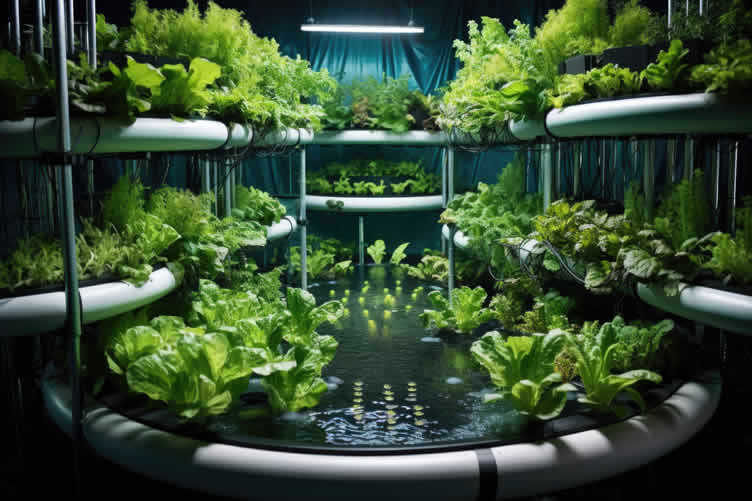
Proper lighting is essential for the successful growth of plants in a hydroponic system. Different plants require varying amounts of light, with some thriving under full-spectrum LED lights and others needing cooler light temperatures.
Ensure your lighting setup provides the intensity and duration suited to the specific plants you’re cultivating. Use timers to automate lighting schedules, replicating natural day and night cycles to avoid stressing the plants.
Additionally, adjust the height of the lights as the plants grow to maintain optimal distance and prevent leaf burn or insufficient light exposure. Regularly inspect light fixtures for bulb replacements and clean them to maximize efficiency.
copyright image by 123rf.com
[ youtube: home hydroponic farm ]
[ youtube playlist: trouble shooting garden hydroponics ]
-
-
2nd: Maintaining Your Hydroponic System
Maintaining your hydroponic system is crucial to ensuring the health and productivity of your plants. A well-maintained system not only supports robust plant growth but also prevents the occurrence of common issues such as nutrient imbalances and pest infestations.
Regular maintenance involves monitoring various aspects of the hydroponic setup, from ensuring proper nutrient levels to keeping all equipment in good working order.
Below, we detail key maintenance needs to consider in different hydroponic environments.
-
Designated Backyard Garden Area
For those utilizing a designated backyard garden area, regular checks of the water reservoir and pumps are essential. It’s important to inspect the area for any potential leaks or obstructions that could impede nutrient flow.
Additionally, ensure that any debris or organic matter is regularly cleared from around your hydroponic setup to prevent contamination.
-
Greenhouse
When operating a hydroponic system inside a greenhouse, temperature and humidity levels should be closely monitored and adjusted as necessary. Regularly clean the greenhouse panels to maximize light penetration.
Checking the greenhouse’s ventilation system ensures sufficient air exchange, which is crucial for plant health and preventing mold and mildew growth.
-
Vertical Garden
Vertical hydroponic gardens require careful attention to plant support structures. Inspect and reinforce these structures to handle plant weight as they grow.
Additionally, a consistent check for even nutrient distribution across all rows or columns can prevent nutrient deficiencies. Cleaning water delivery systems regularly helps avoid clogging and ensures all plants receive adequate nutrition.
-
Other Configurations
For hydroponic systems in other types of configurations, such as indoor setups with artificial lighting, it is vital to regularly dust and maintain lighting fixtures to preserve their efficiency.
Security and cleanliness of plumbing and filtration systems must be ensured to avoid blockages and maintain nutrient solution clarity. Being proactive about these physical maintenance tasks can promote a thriving hydroponic garden, regardless of your setup.
-
Maximizing Growth and Sustainability
Maximizing growth and sustainability in your hydroponic garden requires attention to detail and a commitment to continuous improvement.
Start by optimizing your nutrient solution. Conduct regular tests to ensure the correct balance of macro-nutrients and micro-nutrients Adjust the solution as needed to support healthy plant growth.
Temperature and humidity also play crucial roles in plant development. Monitor these factors closely and make adjustments to maintain optimal conditions.
Installing fans or heaters can help regulate temperature, while humidifiers or dehumidifiers can control humidity levels.
Sustainability is at the heart of hydroponic gardening. Consider using renewable energy sources like solar panels to power your lighting and pumps.
Recycling water and nutrients whenever possible can further reduce your garden’s environmental impact. By continually refining your practices, you can create a garden that is both productive and eco-friendly.
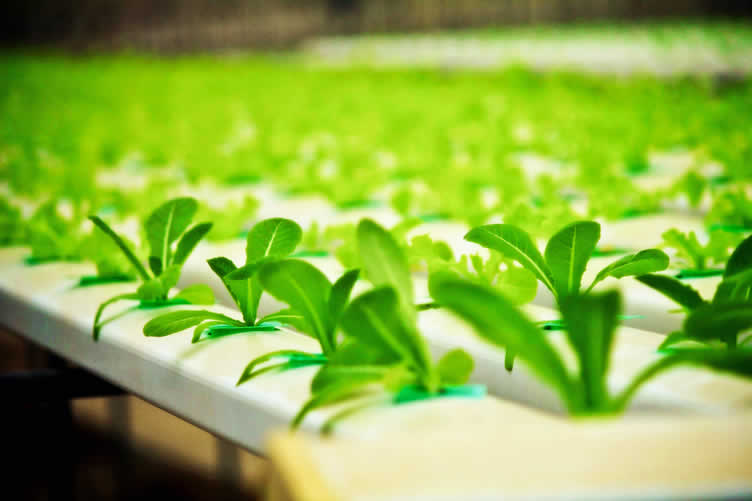
copyright image by 123rf.com
[ youtube: how to keep hydroponic water clean ]
[ youtube: easy cleaning techniques ]
-
-
4th: Real-Life Success Stories
For inspiration, consider the real-life success stories of home gardeners who have embraced hydroponic gardening.
Take Sarah, for example, who transformed her small urban balcony into a thriving vegetable garden using a vertical hydroponic system. She now enjoys fresh salads and herbs year-round, all while reducing her carbon footprint.
Or look at Tom, who turned his love for gardening into a profitable side business. By growing specialty herbs and micro-greens hydroponically, he supplies local restaurants with fresh produce and has earned a reputation for quality and sustainability.
Below are more inspiring stories from individuals who have successfully harnessed hydroponics to cultivate everything from leafy greens to fruit trees, showcasing the versatility and potential of this modern gardening method.
-
Leafy Greens
Meet Emily, a schoolteacher who started a small hydroponic setup in her classroom to educate her students about sustainable agriculture. What began as an educational project quickly turned into a lush garden of spinach, lettuce, and kale.
Emily’s hands-on approach not only provides nutritious snacks for her students but also nurtures their interest in environmental stewardship.
-
Vegetables
In a bustling city center, Simon converted his rooftop into a hydroponic haven for vegetables. Using a nutrient film technique, he grows abundant crops of peppers, cucumbers, and squash, achieving yields that rival traditional soil gardens despite the challenging urban environment.
His commitment has inspired neighbors, sparking a community of rooftop gardeners dedicated to reducing urban food miles.
-
Tomatoes
Anna, living in a climate with a short growing season, struggled to grow tomatoes until she discovered hydroponics. With her system, she now successfully cultivates juicy, ripe tomatoes throughout the year, satisfying her family’s needs and even supplying local markets.
Her story exemplifies how technology can extend the growing capacity beyond conventional limitations.
-
Berries
In the countryside, Laura, a passionate gardener, transformed her family’s unused barn into a berry-producing powerhouse using hydroponics. She specializes in strawberries and blueberries, producing premium flavors and textures.
Her venture has become a local attraction, drawing berry enthusiasts and boosting agritourism in her area.
-
Fruit Trees
Lastly, Sam ventured into growing dwarf fruit trees hydroponically. Starting with citrus varieties, he’s expanded to include figs and avocado trees, adapting his system for larger plants.
Sam’s success story highlights the capacity of hydroponics to grow diverse plant types, leveraging technology to nourish vibrant and productive trees in an unconventional setting.
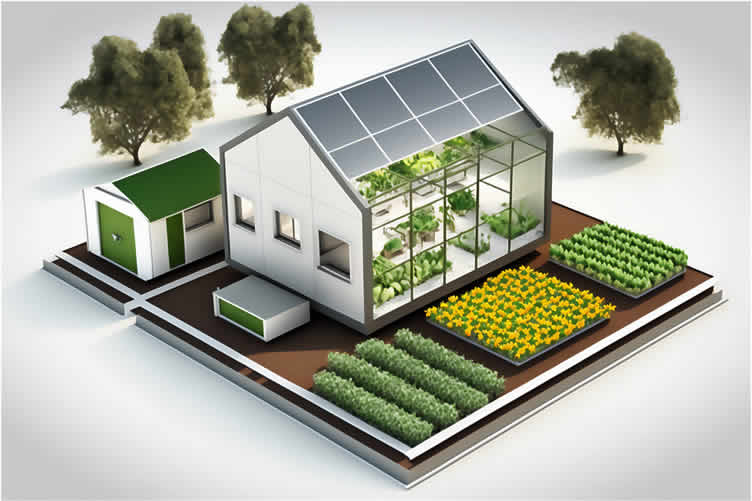
copyright image by 123rf.com
-
-
4th: Finding Some Help
Embarking on the journey to establish a hydroponic garden can be daunting without adequate support, but a wealth of resources is available to assist aspiring growers.
Local gardening clubs or community workshops often host sessions on hydroponics, offering hands-on training and insight from experienced gardeners.
Additionally, online platforms and forums connect beginners with a global network of hydroponics enthusiasts who share valuable tips, troubleshooting advice, and system designs.
For those seeking more personalized guidance, consulting with a professional in hydroponics can tailor solutions to specific needs and environmental conditions, ensuring a successful and fruitful setup right from the start.
Don’t hesitate to explore these avenues to transform your hydroponic vision into reality.
LetsRenovate has partnered with HomeAdvisor™, a renowned provider of highly-rated, carefully-vetted gardening contractors. Start your search here by entering your zip code to find local professionals.

copyright image by 123rf.com
But Wait!
Before starting your search and evaluation of gardening contractors, it is highly recommended to download and use this evaluation worksheet.
This resource will help you objectively rank and assess potential hydroponic setup contractors, considering essential factors such as pricing, licensing, and referral information.

Evaluation Sheet
File Type:
-
-
FINAL REMARKS
Starting a backyard hydroponic garden is an exciting and rewarding endeavor that combines innovation with sustainability. With the proper knowledge and tools, you can create a flourishing garden that provides fresh produce and contributes to a more sustainable lifestyle.
The benefits are clear—from year-round growth and space efficiency to environmental conservation. By following this guide, you’ll be well-prepared to set up and maintain a thriving hydroponic garden. Remember, the key to success lies in careful planning, regular maintenance, and a willingness to learn and adapt.
If you’re ready to join the growing community of hydroponic enthusiasts, now is the time to take action. With each plant you nurture, you’ll be taking a step towards a greener, more sustainable future. Happy gardening!
-
ideas to view and compare from the information discussed above
hydroponic cleanerhydroponic cleaning brusheshydroponic sponges
- What comments can you share about
hydroponic gardening?
Scroll up to directory … or scroll to more yard n’ garden-related topics …
view illustration “becoming a bank”



Calendar For:
Home Maintenance
File Type:


… view our sharing links below for a quick "share the knowledge"
Cover image credit: hydroponic gardening by 123rf.com
end of post … please share it!
 |
did you find how simple renovations can hydroponic gardening analysis helpful? If so, please share the article with your friends and family! |
Nice pic idea? Leave us a quick comment below.
And please share this pic idea within your social networks.