Summary Outline –
In an era where climate change and environmental degradation are at the forefront of global challenges, the act of composting stands as a beacon of sustainable living.
For those of us with a green thumb or simply a commitment to preserving our planet, having and maintaining a garden compost is more than just a trend—it’s a practice that nourishes the earth while rewarding us with healthy, vibrant gardens.
Summary of Site Content
1st Compost Tip: [view Compost Tip]
… we initiate this analysis by first comprehending the concept of composting and exploring the benefits of backyard composting.
2nd Compost Tip: [view Compost Tip]
… the second section gets into the processing review of composting and understanding the composting terms and the types of composting methods available.
3rd Compost Tip: [view Compost Tip]
… moving on, the third section delves into the startup phase by examining factors such as location, the essential tools needed, and understanding the balance of browns and greens in composting.
4th Compost Tip: [view Compost Tip]
… the fourth section gets into the construction of your garden compost, detailing the necessary methods to initiate the composting process, depending on the specific type of composting method you choose to employ.
5th Compost Tip: [view Compost Tip]
… the fifth and final section addresses harvesting your compost and reviewing maintenance and troubleshooting issues that may arise.
Engaging in composting signifies a proactive step towards reducing household waste, mitigating the release of harmful greenhouse gases, and fostering a more sustainable relationship with our environment.
This post is tailored to eco-conscious homeowners and gardening enthusiasts who are ready to take the next step in their sustainable living journey by building and utilizing a garden compost.

-
Quick scroll to first topic about garden compost …

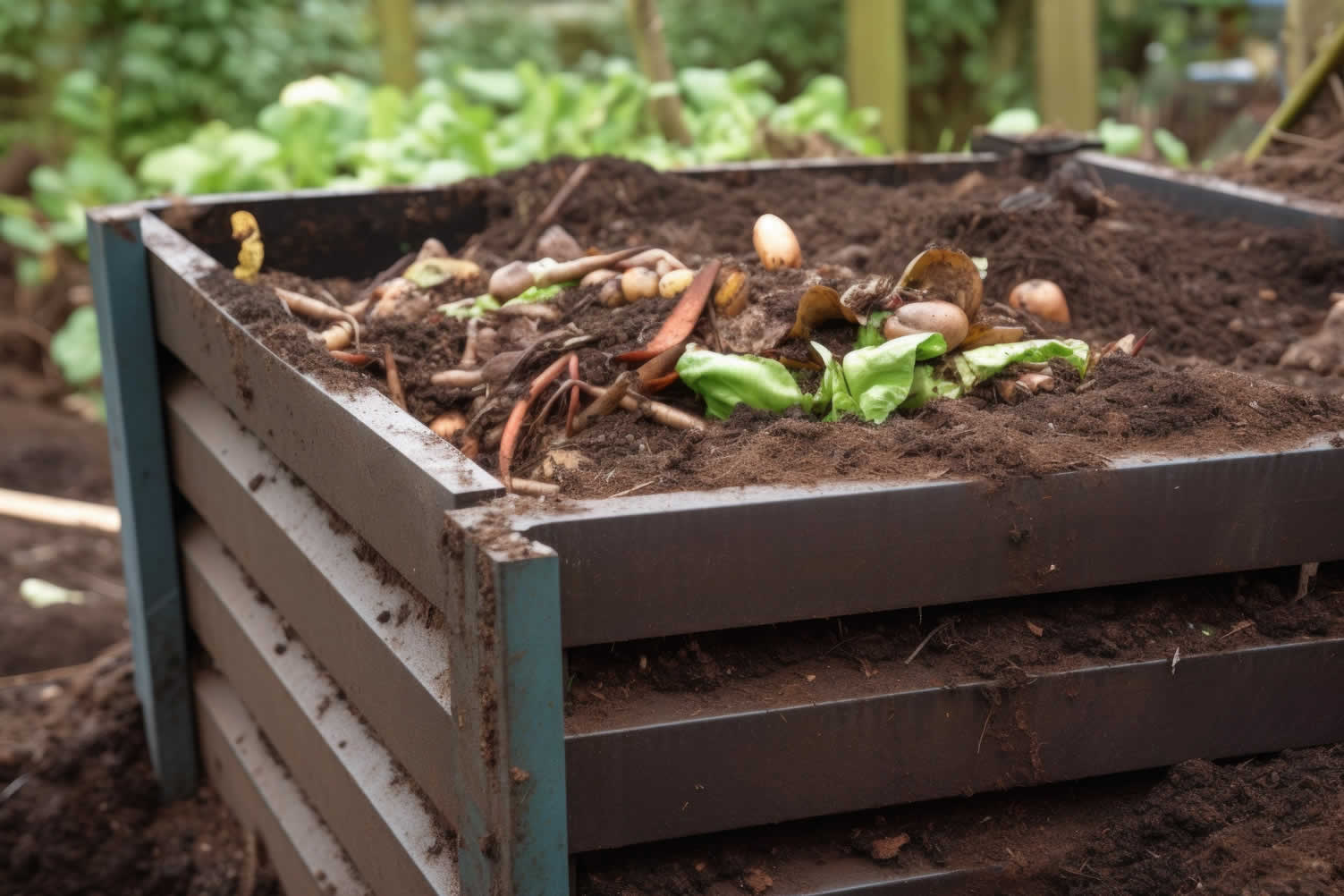
first “garden compost” idea

copyright image by 123rf.com
Compost Tip 1: What is Composting?
Notes:
-
Composting is a natural process that turns organic waste materials into a rich soil amendment known as compost. At its core, composting is about harnessing the decomposing talents of microorganisms to break down kitchen scraps, yard waste, and other biodegradable materials into a nutrient-rich substance.
This transformation doesn’t just reduce the amount of waste sent to landfills; it provides our gardens with a natural, powerful fertilizer that enhances soil health and plant growth. By composting, we actively participate in a cycle of renewal
-
Quick scroll to “understanding composting” side notes …
-
-
1st: How Composting Works
In nature, composting is an essential part of the ecosystem’s recycling mechanism. Fallen leaves, dead trees, and other organic matter are slowly broken down by a host of microorganisms, from bacteria and fungi to earthworms and insects. This process not only cleans up the environment but also returns valuable nutrients to the soil, promoting the growth of new life.
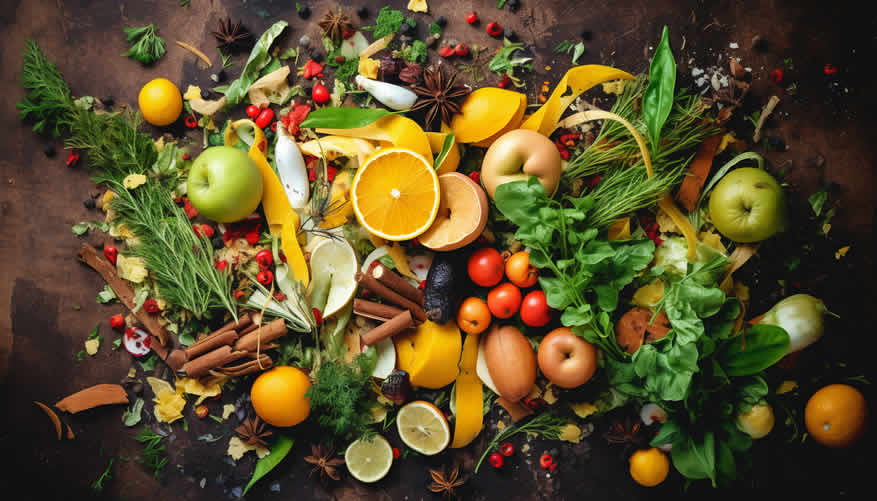
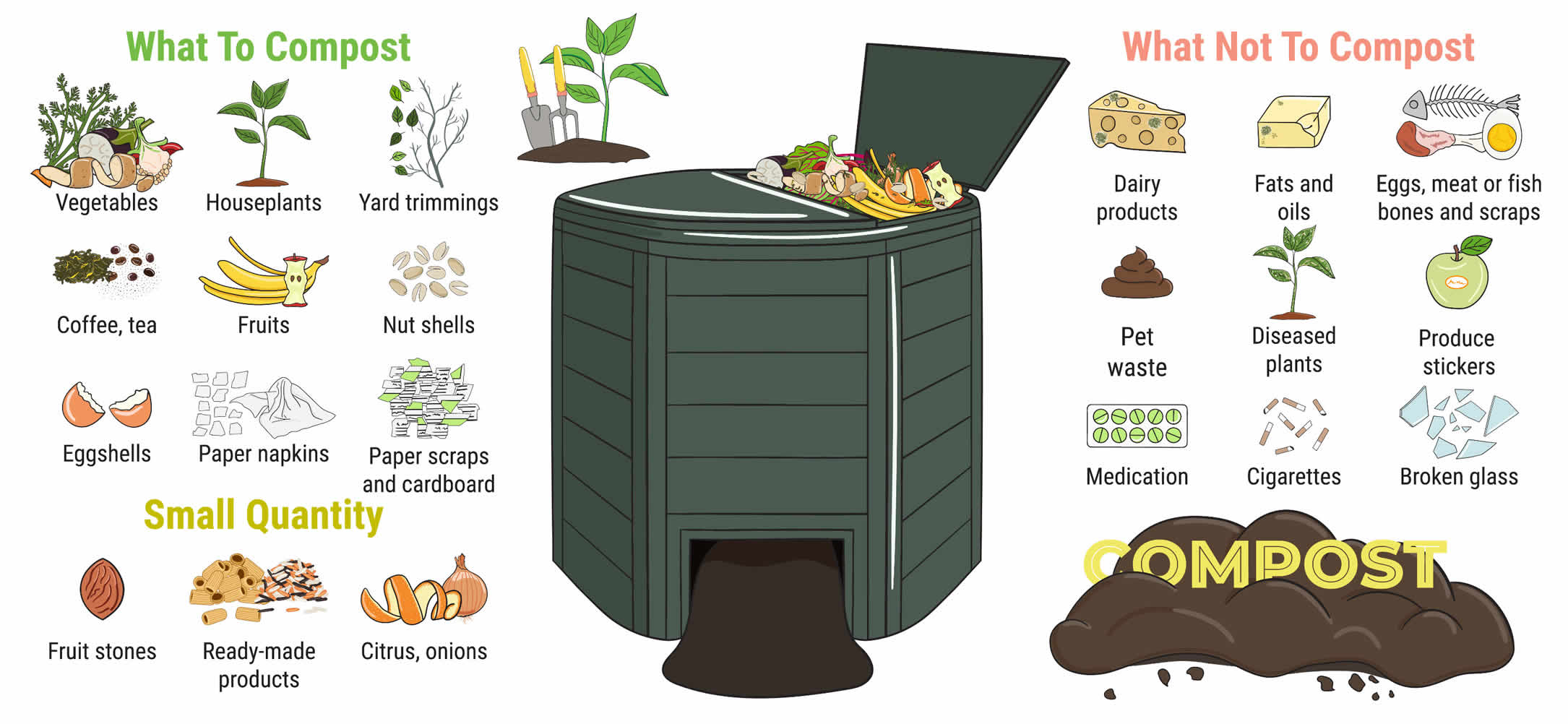
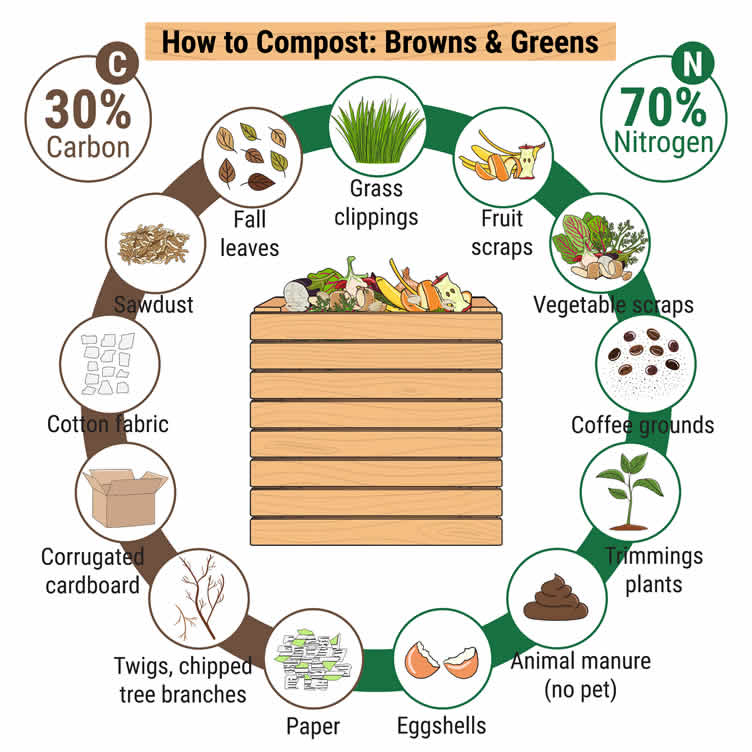
At the heart of making compost are four key elements required to fuel this transformation: greens, browns, air, and water.
-
Greens
are nitrogen-rich materials such as vegetable peelings, fruit waste, and grass clippings, which serve as the primary food source for microorganisms.
- Fruit and vegetable scraps
- Coffee grounds and filters
- Tea bags (ensure they are not made from synthetic material)
- Fresh garden clippings
- Eggshells (crushed)
-
Browns
are carbon-rich materials like leaves, straw, and paper, providing the microorganisms with energy.
- Dry leaves
- Straw and hay
- Wood chips or sawdust (from untreated wood)
- Shredded newspaper or cardboard
- Dried grass clippings
Adequate air and water are essential to maintain microbial activity; air is necessary for respiration, while water is crucial for the chemical and physical processes involved.
It’s important to maintain a balance between these two types of materials in your compost to ensure it decomposes effectively. A general rule of thumb is to aim for a ratio of about 2-3 parts browns to 1 part greens by volume.
This balance helps to maintain the necessary moisture and aeration while minimizing odors as your compost turns organic waste into garden gold.
copyright image by 123rf.com
[ view diagram: how composting illustration ]
[ youtube: how does composting work? ]

-
-
2nd: Benefits Beyond the Bin
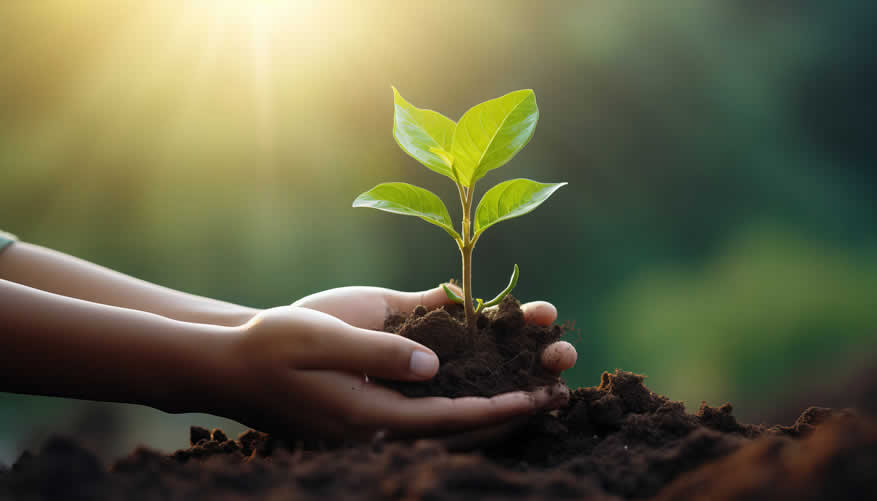
The choice to compost resonates with the planet in various ways: it reduces the amount of waste sent to landfills, enriches soil health by providing valuable nutrients, and helps in the fight against climate change by minimizing greenhouse gas emissions.
Composting is a sustainable practice that benefits both the environment and future generations.
-
Reduces Methane Emissions:
Organic materials in landfills do not decompose efficiently, leading to the production of methane – a potent greenhouse gas. Composting at home is a direct way to reduce your household’s environmental footprint.
-
Enhances Soil Quality:
Compost, a natural process of decomposing organic matter, transforms kitchen scraps and yard waste into a nutrient-rich soil amendment. This dark, crumbly material not only provides essential nutrients for robust plant growth but also enhances soil structure, retains moisture, and promotes beneficial microbial activity.
-
Conserves Water:
Compost is a natural soil amendment that not only enhances soil structure but also promotes better water retention, aiding in the growth of healthier and more vibrant plants.
-
Combats Erosion:
By stabilizing soil through the decomposition of organic matter, composting plays a crucial role in preventing erosion. This process not only safeguards water quality by reducing sediment runoff but also contributes to maintaining the delicate balance within ecosystems by promoting soil health and biodiversity.
-
Reduces Waste:
Composting is a sustainable practice that diverts food scraps and yard trimmings from ending up in landfills. By decomposing organic waste into nutrient-rich soil, composting not only reduces the amount of garbage needing disposal but also enriches the earth, promoting healthier plant growth and biodiversity.
-
Cuts Down on Chemical Needs:
Rich compost, a nutrient-rich soil amendment made from organic materials like kitchen scraps and yard waste, can significantly decrease your need for chemical fertilizers and pesticides in your garden.
-
Saves Money:
Creating your own compost not only saves you money on purchasing fertilizers and soil amendments but also contributes to reducing waste and promoting sustainability. By recycling organic materials from your kitchen and yard, you can enrich your soil naturally and help the environment.
copyright image by 123rf.com
[ view diagram: composting benefits]
[ youtube: why is composting good for the environment?]
-
-
-
ideas to view and compare from the information discussed above
Scroll up to directory … or scroll to next section about garden compost …

second “photo remodeling” idea
copyright image by 123rf.com
Compost Tip 2: What’s Behind the Composting Process
Notes:
-
Composting is a natural process that recycles organic material such as leaves, fruit scraps, and vegetable peels into a rich soil amendment known as compost. At its core, composting is about managing the decomposition of organic matter.
This process is facilitated by microorganisms such as bacteria and fungi, along with larger organisms like worms and insects. These decomposers consume organic matter, breaking it down into simpler substances.
The microorganisms consume oxygen while breaking down the organic matter, generating heat in the process. This heat is essential for speeding up the decomposition, killing pathogens and weed seeds, and eventually resulting in the production of compost.
The final product is a dark, crumbly, and earthy-smelling material, rich in nutrients and beneficial to plant growth.
-
Quick scroll to “understanding the process” side notes …
-
-
1st: Understanding Composting Terms
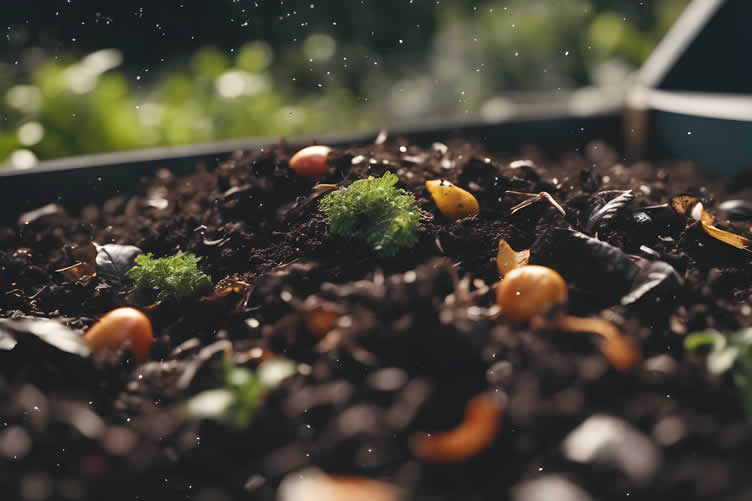
Composting, while beneficial, also requires familiarity with a set of specific terms to fully leverage its advantages. Understanding these and other composting-related terms ensures that enthusiasts can create a healthy compost pile that transforms waste into valuable soil amendment.
- Compost:
The dark, crumbly material that results from the breakdown of organic matter. It’s a valuable soil amendment that improves fertility and drainage. - Composting:
The controlled decomposition of organic materials by microorganisms into a usable material. - Brown materials:
Dry and carbon-rich materials such as dead leaves, twigs, straw, and shredded cardboard. - Green materials:
Moist and nitrogen-rich materials such as food scraps, coffee grounds, and fresh grass clippings. - Curing:
The final stage of composting where the compost matures and stabilizes. Cured compost has a dark brown color, earthy odor, and crumbly texture. - Aerobic:
Requires oxygen. Most composting methods are aerobic processes. - Anaerobic:
Doesn’t require oxygen. While not ideal for backyard composting, anaerobic decomposition can happen in a closed container and results in a foul odor. - Turning:
Mixing the compost pile to aerate it and promote even decomposition. - Compost Tea:
A liquid extract made from steeping compost in water. It can be used as a fertilizer for plants. - Leachate:
The liquid that drains from a compost pile. It can be high in nutrients and can be diluted and used to water plants. - Bin/Composter:
A container used to hold the compost pile. There are many different types of compost bins available, including tumblers, static piles, and worm bins.
AI generated image by 123rf.com
- Compost:
-
2nd: Types of Composting Methods
Composting can be carried out through various methods, each suitable for different needs and scales of operation. The most common types include:
-
Hot Composting:
This method involves carefully managing the pile to maintain high temperatures (between 135°F-160°F), which accelerates the breakdown of materials and can produce compost in a relatively short time frame.
Hot composting requires a good balance of brown and green materials, regular turning of the pile for aeration, and maintaining a certain moisture level. Hot composting is ideal for those who want to create compost quickly and for larger volumes of organic waste.
-
Cold Composting:
Less labor-intensive than hot composting, this method simply involves piling up compostable materials and letting them decompose over time. While it requires less effort, cold composting takes longer, often a year or more, to produce usable compost.
It’s perfect for beginners or those who don’t have a lot of space or organic waste. However, cold composting might attract pests like rodents and scavengers.
-
Vermicomposting:
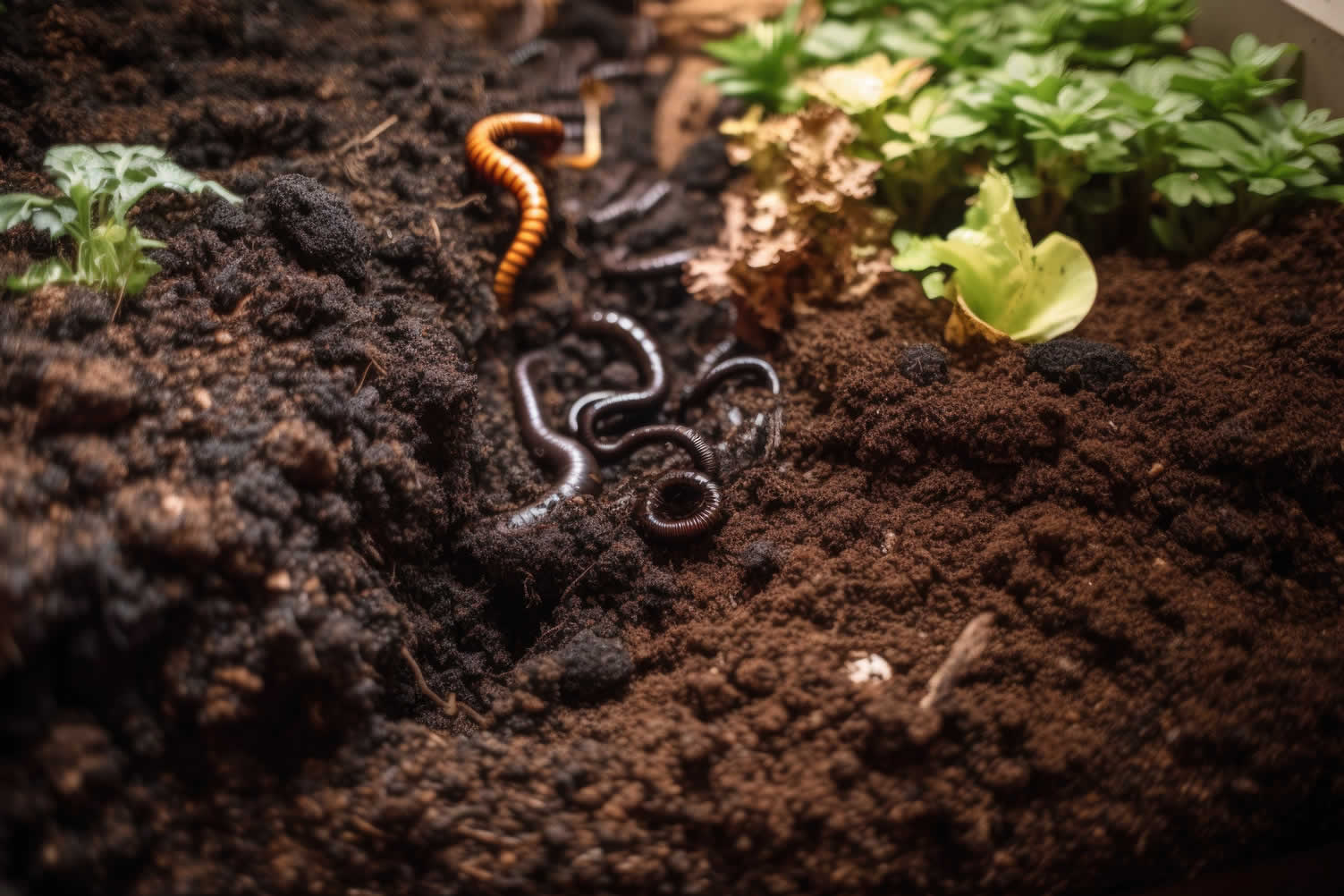
Utilizing worms, particularly red wigglers, to break down organic waste, vermicomposting is an efficient way to produce high-quality compost. This method is ideal for indoor composting solutions or small spaces.
This is a unique composting method that utilizes worms to break down organic materials. Vermicomposting produces nutrient-rich compost, also known as vermicompost, and worm castings, which is a liquid fertilizer.
-
Bokashi Composting:
This is an anaerobic composting method that uses a special bin with an airtight lid to ferment food scraps. It’s a fast composting method that takes only a few weeks but doesn’t create traditional compost.
Bokashi composting can handle a wider variety of materials, including meat and dairy products, which are typically avoided in other methods. The fermented material can be used as a soil amendment or bokashi tea, a liquid fertilizer for plants.
-
Bin Composting:
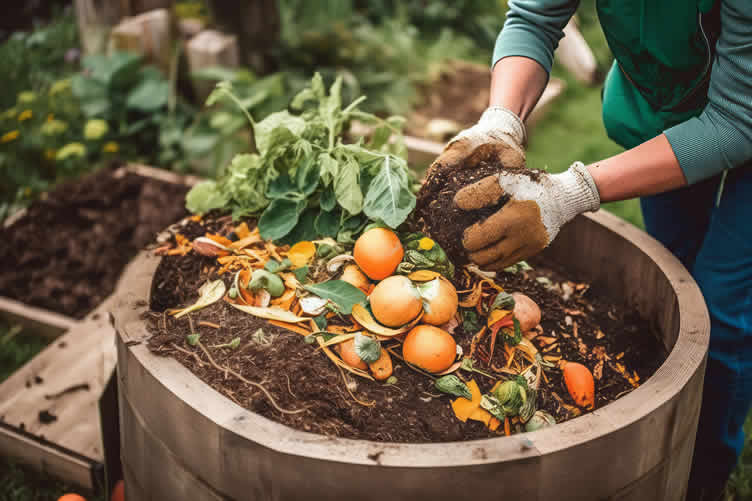
This method uses a container or bin to compost organic waste, making it a versatile option for both indoor and outdoor settings. Bin composting can be either aerobic or anaerobic, depending on whether the bin is designed to allow air flow.
It’s particularly suitable for urban environments or households with limited space. The contained nature of the bin helps to control moisture, odors, and pests, making it a convenient and efficient composting option.
- Static compost bins:
These are stationary bins with multiple compartments that allow for easy rotation of the compost pile. They come in various materials like wood, plastic, or metal. - Tumbling composters:
These bins resemble barrels that can be rotated to mix the compost pile. They’re generally faster at composting than static bins and take up less space.
Each composting method offers distinct advantages and considerations, making it important to choose the one that best fits your gardening needs, available space, and the types of waste materials you have.
- Static compost bins:
copyright image by 123rf.com
[ view diagram: how to hot composting ]
[ youtube: different ways to compost ]
-
-
-
ideas to view and compare from the information discussed above
Scroll up to directory … or scroll to next section about garden compost …


 … grab this directory of ideas
May We Suggest Other Photo Remodeling Ideas About
“General Gardening …” (new win)

third “photo remodeling” idea
copyright image by 123rf.com
Compost Tip 3: Getting Started with Composting at Home
Notes:
-
The most effective compost systems start by meticulously diving deep into the process’s intricacies, ensuring that one is equipped with the right tools and materials to guarantee success.
It is imperative to gain a thorough understanding of the balance between greens, such as vegetable scraps and grass clippings, and browns, including dried leaves and cardboard, which are vital for creating a healthy compost mix.
Additionally, comprehending the importance of proper aeration to encourage aerobic decomposition and recognizing the right level of moisture – not too wet or too dry – is crucial for facilitating the composting process. This careful attention to detail ensures the creation of a nutrient-rich compost ideal for enriching garden soil.
-
Quick scroll to “getting started” side notes …
-
-
1st: Factors to Consider
Here’s a more detailed breakdown of what you need to know to embark on your composting adventure, including selecting the perfect location for your compost bin, the types of materials you can compost, and tips for speeding up the decomposition process.
-
Location, Location, Location
Choosing the right location for your compost bin is essential. The ideal spot will have good drainage and receive a balance of sun and shade throughout the day. Avoid placing it too close to your house as there may be unpleasant odors during the decomposition process.
-
Materials You Can Compost
The key ingredients for successful composting are commonly referred to as "greens" and "browns." Greens are rich in nitrogen and include items such as food scraps, grass clippings, and coffee grounds.
Browns are high in carbon and include materials like dried leaves, twigs, and paper products. It’s important to maintain a balance between these two types of materials for optimal composting results.
-
Tips for Speeding Up the Decomposition Process
To speed up the decomposition process, there are a few things you can do. First, make sure to chop or shred larger materials into smaller pieces before adding them to the compost bin. This will increase their surface area and make it easier for microorganisms to break them down.
You can also add in some high-nitrogen fertilizer or manure, which will provide the microorganisms with the necessary nutrients for faster decomposition. Turning or mixing the compost regularly will also help to aerate it and provide oxygen for the microorganisms to thrive.
-
Other Factors
In addition to proper location, materials, and techniques, there are a few other factors to consider when composting. These include temperature, moisture levels, and the size of your compost bin. Ideally, the temperature inside the bin should be between 135-160 degrees Fahrenheit for optimal decomposition.
It’s also important to keep the compost moist, but not too wet. If it feels like a damp sponge, then it’s at the right level of moisture. Additionally, choosing a larger compost bin will allow for more efficient decomposition and storage.
-
Using Your Compost
Once your compost has fully decomposed, it will be a dark, crumbly material with a rich earthy smell. This is known as "black gold" and is a valuable addition to any garden or plant bed.
You can use it as a nutrient-rich fertilizer for all of your plants, mix it into potting soil for container gardening, or spread it on top of your lawn to improve soil health. The possibilities are endless, and using your own compost is not only environmentally friendly but also cost-effective.
-
Continuing the Composting Journey
Composting is a constant learning process, and there is always room for improvement. You may encounter challenges or setbacks along the way, such as pests or odors, but don’t get discouraged. These can usually be overcome with a few adjustments and some patience.
As you continue on your composting journey, consider expanding to include more materials such as kitchen scraps and yard waste. You can also experiment with different techniques, such as vermicomposting, which uses worms to decompose the organic material.
In addition to benefiting your own garden and reducing waste, composting also has a positive impact on the environment. By diverting food and yard waste from landfills, it reduces the production of methane gas, a potent greenhouse gas.
copyright image by 123rf.com
[ youtube: building compost in the wrong place ]
[ youtube: how to make a compost fast ]
-
-
2nd: Essential Tools for the Trade
To start composting at home, you’ll need a few basics:
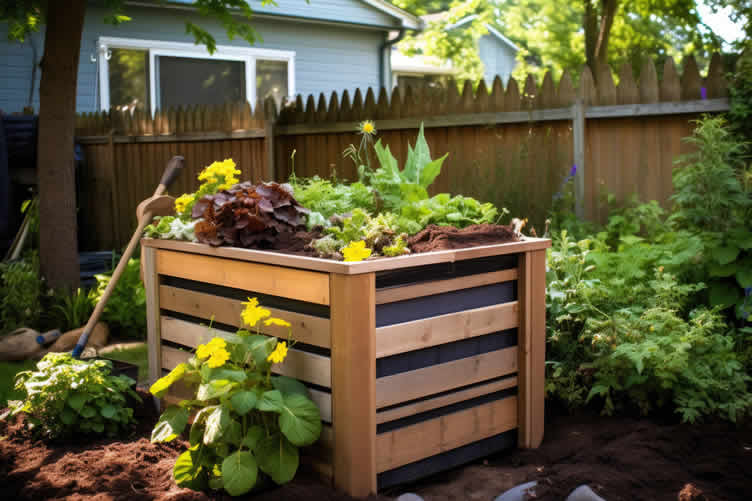
- Compost Bin or Pile:
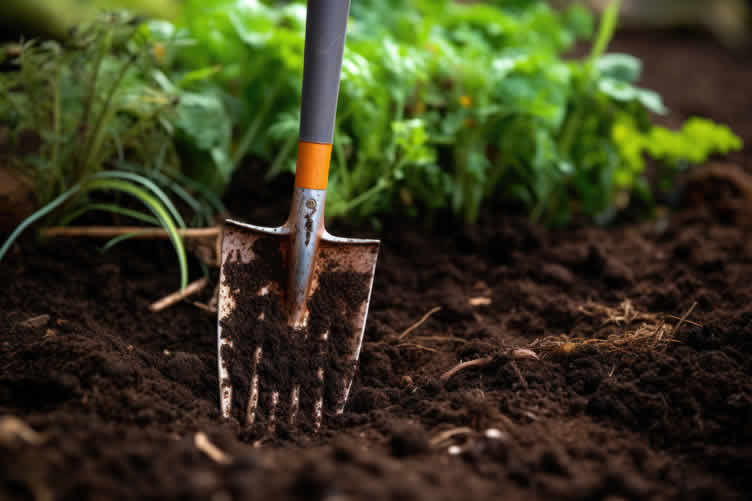
Your choice of composting unit depends on space and preference. It can be as simple as a designated area in your yard or a purpose-built bin. - Pitchfork or Compost Aerator:
To turn and aerate the compost to speed decomposition. - Carbon (Browns) Sources:
These are dry, high-carbon materials like leaves, straw, and paper. - Nitrogen (Greens) Sources:
Fresh, moist waste such as food scraps and garden clippings. - Water:
Just enough to keep the compost moist, like a wrung-out sponge.
copyright image by 123rf.com
- Compost Bin or Pile:
-
-
ideas to view and compare from the information discussed above
Scroll up to directory … or scroll to next section about garden compost …
SHARE IT ..! You might have someone in your social network who could find this informative post on how to start a garden compost valuable. Feel free to share it on Facebook, Twitter, LinkedIn, or Pinterest!


fourth “photo remodeling” idea
copyright image by 123rf.com
Compost Tip 4: Building Your Garden Compost
Notes:
-
Now that you’ve gathered all the necessary tools and materials, you’re ready to embark on building your compost pile. The process is relatively straightforward, akin to following a simple recipe.
The key is to mix the right proportions of greens and browns, much like layering the ingredients of a cake, and then gently sprinkle with water to achieve the perfect moisture level.
To ensure your success, here’s a detailed step-by-step guides to help you through each stage of the process. The initial step involves choosing the appropriate composting method.
-
Quick scroll to “compost build” side notes …
-
-
1st: Starting Your Compost Pile
To kick-start your composting journey, select a suitable location for your compost pile or bin—preferably a spot that’s easy to access yet out of the way.
Begin by layering your compost as fallows below.
-
The Base Layer (Browns)
Start with a layer of browns, which should be about 6 inches thick. This could include materials like dried leaves, straw, or shredded newspaper. This layer is crucial for creating aeration and drainage within your compost pile.
-
The Green Layer
Next, add a 3-inch layer of greens on top of your browns. Greens are nitrogen-rich materials such as vegetable peels, fruit scraps, coffee grounds, and fresh plant clippings. These materials provide the necessary nutrients to decompose the browns.
-
Adding Soil
After your green layer, sprinkle a thin layer of soil or finished compost. This introduces microorganisms into the pile, which accelerates the decomposition process.
-
Moisture Adjustment
Once you have these layers in place, moisten the pile until it’s damp but not soaked, similar to the feel of a wrung-out sponge. Proper moisture is key to successful composting.
-
Repeat Until Full
Continue adding alternating layers of browns and greens until your compost bin is filled or your pile reaches the desired size. Remember to turn it periodically with a pitchfork or aerator to introduce oxygen, which is vital for composting.
copyright image by 123rf.com
[ view diagram: starting a compost pile ]
[ youtube: simplest easy method to compost piles! ]
-
-
2nd: Starting Your Vermicomposting Bin
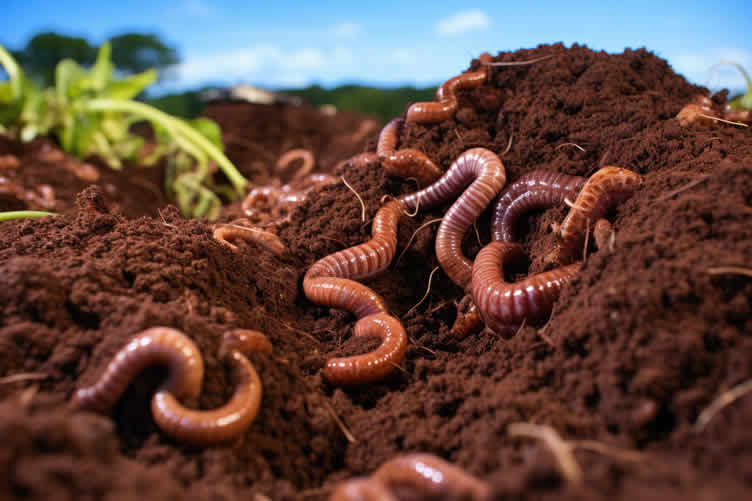
Vermicomposting utilizes specific types of earthworms, such as Red Wigglers, to break down organic material into worm castings, a nutrient-rich compost.
This process is ideal for those with limited outdoor space, as it can be done indoors. To begin, select a shallow, wide container and drill holes in the bottom for aeration and drainage.
-
Choosing the Right Container
Select a bin that is shallow and wide, typically no deeper than 12 to 18 inches. Ensure the container is opaque to keep the environment dark for the worms. Plastics bins are commonly used due to their affordability and ease of modification.
-
Preparing the Bedding
Create a bedding for your worms using shredded newspaper, cardboard, or coconut coir. Moisten the bedding so that it’s damp but not soaking wet, and fill the bin about three-quarters full. This bedding provides a comfortable habitat for the worms to live and reproduce.
-
Adding the Worms
Introduce Red Wiggler worms to the bedding. Generally, you’ll need about 1 pound of worms for every ½ pound of daily food scraps you anticipate to add. Gently spread the worms over the top of the bedding and allow them some time to burrow in before adding food scraps.
-
Feeding Your Worms
Begin feeding your worms a few days after introducing them into the bin. Add small amounts of vegetable and fruit scraps, avoiding meats, dairy, and oily foods. Bury the food scraps under the bedding to prevent odors and fruit flies.
-
Maintaining Your Vermicomposting Bin
Maintain the moisture level of the bedding, keeping it as damp as a wrung-out sponge. Occasionally add new bedding material to replace what has been broken down. It’s also essential to periodically harvest the worm castings, using them as a powerful fertilizer for your plants.
copyright image by 123rf.com
[ view diagram: starting your vermicomposting bin ]
[ youtube: vermicomposting 101 ]
-
-
3rd: Starting with a Compost Tumbler Bin
Compost tumbler bins are an efficient and convenient way to make compost, especially suitable for small gardens or urban settings where space is limited.
Unlike traditional compost piles, tumbler bins allow for easier aeration and faster decomposition because they can be turned with minimal effort.
Here’s how to start:
-
Choosing the Right Bin:
Start by selecting a compost tumbler that fits your space and needs. They come in different sizes and designs, some with dual chambers which allow for continuous composting cycles.
-
Location:
Place your bin in a location that is accessible, yet receives minimal direct sunlight to prevent excessive drying.
-
Filling Your Bin:
Begin by adding a mix of greens and browns to your tumbler. A ratio of about 2 parts browns to 1 part greens is ideal. Browns provide carbon, and greens provide nitrogen — two essential elements for composting.
-
Adding Soil:
After your initial layer, add a small scoop of soil or finished compost. This step is not as crucial as in traditional composting since the enclosed tumbler environment can often maintain sufficient microorganisms for decomposition.
-
Moisture Level:
Your compost should be moist, but not wet. If it feels too dry, add a bit of water. If it’s too wet, add more browns to balance out the moisture.
-
Regular Turning:
One of the key benefits of a tumbler bin is the ease with which you can turn your compost. Aim to rotate your bin every 2-3 days to ensure even decomposition.
-
Harvesting Your Compost:
Compost in a tumbler bin can be ready in as little as a few weeks, depending on conditions. Once it looks and smells like dark, rich soil, it’s ready to use in your garden.
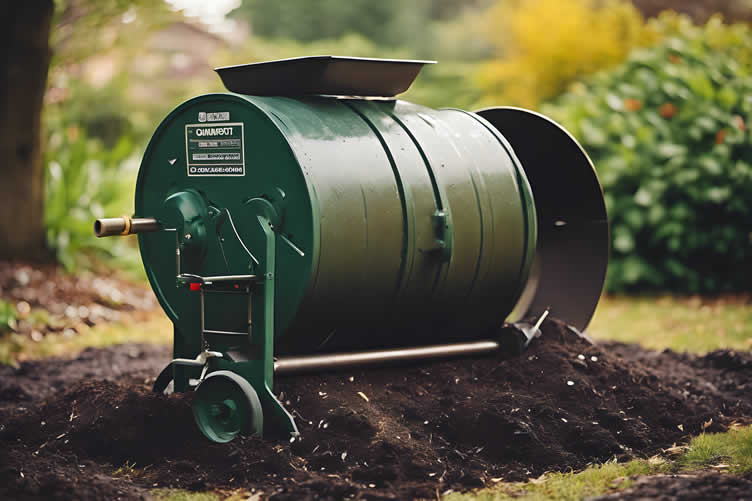
AI generated image by 123rf.com
[ view diagram: starting compost tumbler bin ]
[ youtube: compost tumbler for beginners ]
-
-
-
ideas to view and compare from the information discussed above
Scroll up to directory … or scroll to next section about garden compost …

Calendar For:
Home Maintenance
File Type: 

Find Outbuilding Services Gazebos Play Equipment Outbuildings Fences Porches Waterproofing Sheds Retaining Walls top-rated, pre-screened local contractors FREE: download contractor selection enter zip code – powered by HomeAdvisor ™
Quick Contractor Guides selecting negotiating working with inspecting

fifth and last “photo remodeling” idea

copyright image by 123rf.com
Compost Tip 5: Harvesting (and maintaining) the Black Gold
Notes:
-
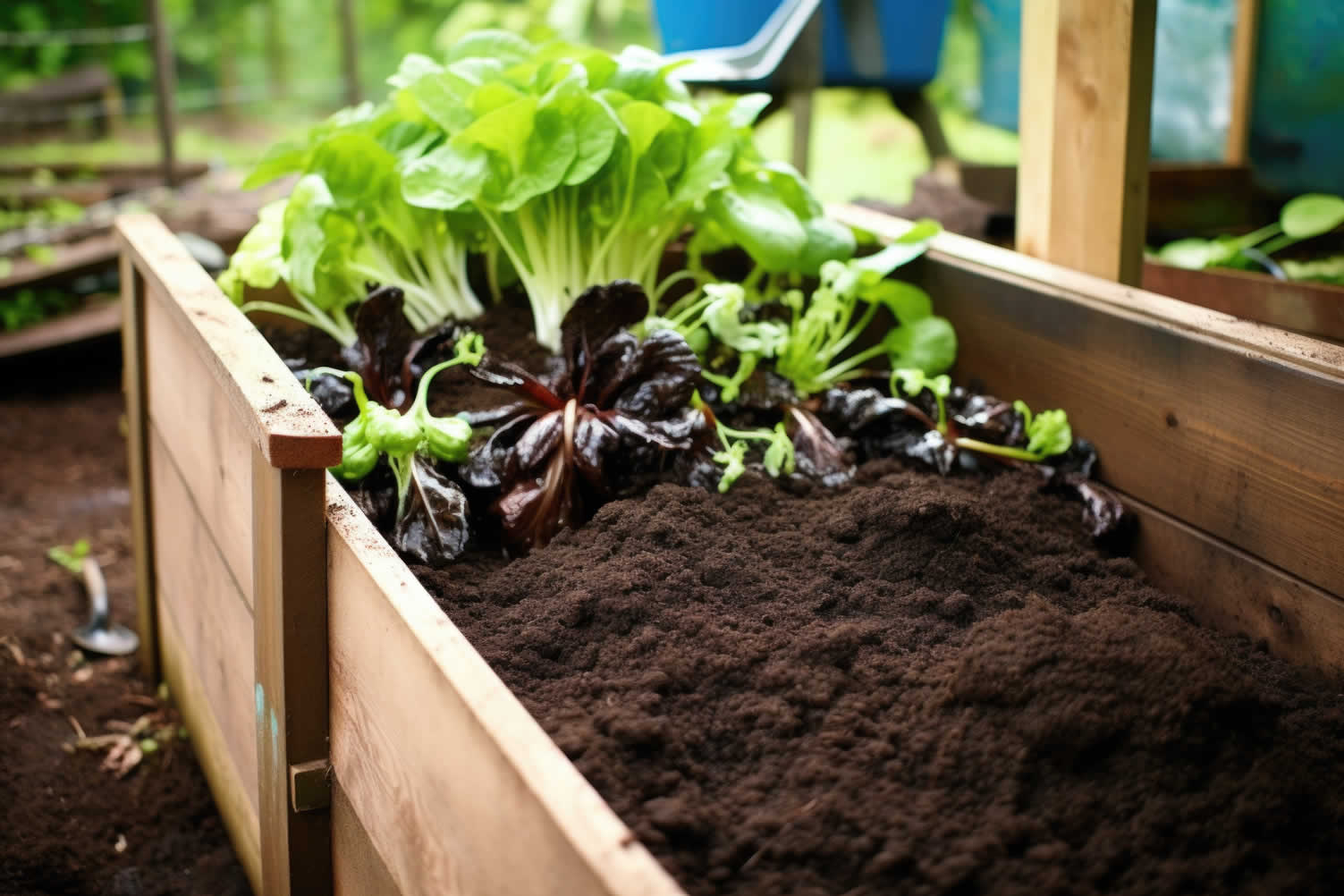
Compost reaches its optimal state for use when it transforms into a dark, crumbly mixture, emanating a rich, earthy aroma. This texture and smell indicate that the original materials have completely broken down, leaving behind a treasure trove of nutrients affectionately known as "black gold" among gardeners.
This precious compost can be utilized in several ways to enhance your garden’s health and productivity. Spread it thinly over the surface of your garden beds to top-dress your plants, providing them with a slow-release feed of essential nutrients.
Alternatively, mix it with your garden soil to improve its structure and fertility before planting new seeds or plants, ensuring they have the best start in life.
For a more liquid approach, you can also steep some of this compost in water to create a compost tea. This nutrient-rich liquid fertilizer can be applied directly to the soil or used as a foliage feed, giving plants a gentle, natural boost.
With these methods, compost becomes an indispensable ally in maintaining the vitality and beauty of your garden.
-
Quirk scroll to topic "maintenance" side notes …
-
-
1st: Maintaining Your Compost Bin
Maintaining your compost bin is crucial for ensuring a high-quality compost and an odor-free, pest-free composting operation. Here are key steps to follow for optimal maintenance:
-
Keep It Covered
Always ensure your compost tumbler bin is covered. This not only prevents unwanted pests but also helps regulate moisture levels, crucial for effective composting.
-
Monitor Moisture Regularly
Check the moisture level of your compost regularly. The compost should feel like a wrung-out sponge. If it’s too dry, add water sparingly; if it’s too wet, add more browns to absorb the excess moisture.
-
Balance the Ingredients
Maintain a good balance of greens and browns in your compost. If your compost is not decomposing efficiently, you might need to adjust the ratio, usually requiring more browns to offset excess nitrogen from the greens.
-
Avoid Overloading
Resist the temptation to fill the bin to its maximum capacity all at once. Overloading can impede aeration and slow down the composting process. It’s better to add materials in stages.
-
Routine Cleaning
At least once a year, empty your compost bin completely and give it a thorough cleaning. This helps remove any compacted materials stuck at the bottom and ensures a fresh start for the next batch of compost.
By adhering to these maintenance steps, you can ensure your compost tumbler remains efficient, odor-free, and a vital part of your gardening toolkit.
-
Turning Your Compost
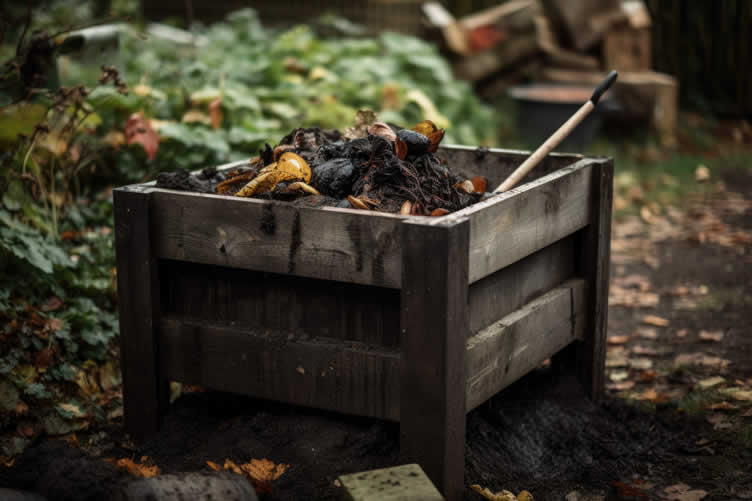
Compost requires oxygen to decompose effectively. To ensure sufficient aeration and promote even decomposition, it’s important to regularly turn the compost using tools like a compost aerator or pitchfork.
This process involves mixing the different materials in the pile, thereby exposing more surface area to air, which accelerates the breakdown process. The frequency of turning depends on several factors, including the size of your compost pile and the speed at which you wish to achieve results.
For most home composting setups, turning the pile every two weeks to one month is a good rule of thumb. This not only helps in faster decomposition but also prevents the development of foul odors and deters pests, contributing to a healthier and more efficient composting process.
copyright image by 123rf.com
[ youtube: 5 hot composting mistakes to avoid ]
[ youtube: do’s and don’ts of composting ]
-
-
2nd: Troubleshooting Common Issues
Sometimes, you might notice that your compost isn’t decomposing as you had anticipated. This can be disheartening, especially when you’ve put a lot of effort into maintaining your compost pile.
Common issues that hinder the composting process include a lack of balance between green and brown materials, insufficient moisture, or not turning the pile frequently enough.
These factors are crucial for creating the right environment for microorganisms to break down organic matter efficiently.
-
Too Much Moisture:
A compost pile that’s excessively wet can begin to emit unpleasant odors, which may detract from the overall composting experience. To rectify this issue, it’s advisable to add more brown materials, such as dried leaves, straw, or shredded newspaper, to absorb the excess moisture.
Additionally, it would be beneficial to hold off on watering the pile for a period, allowing it time to dry out and regain a more balanced moisture level.
-
Not Enough Aeration:
If you’re not regularly turning your compost pile, it might develop pockets of anaerobic activity, where a lack of oxygen causes the material to decompose in a way that produces unpleasant smells.
To prevent this and ensure a healthier composting process, aim to turn the pile more frequently. This action introduces oxygen throughout the pile, discouraging anaerobic conditions and helping to eliminate odors.
-
Balance of Greens and Browns:
If you notice that your compost pile has become slimy or fails to generate heat, it’s likely a sign that the balance of materials is off. This imbalance often occurs when there’s an excess of either ‘greens’ (nitrogen-rich materials) or ‘browns’ (carbon-rich materials).
To rectify this issue and restore equilibrium to your compost pile, carefully adjust the ratio of greens to browns. Adding more browns can help absorb excess moisture that contributes to sliminess, while incorporating more greens can boost the pile’s temperature by accelerating the composting process.
-
Too Many Rodents:
A compost pile attracting rodents and other pests can significantly disrupt the composting process and create unpleasantness. This usually occurs when the pile includes kitchen scraps that appeal to these animals. To prevent rodents from becoming a problem, refrain from adding meat, dairy, oils, and cooked foods to your compost.
Consider using a compost bin with a secure lid and ensuring any openings are covered with wire mesh to deter pests. Regularly turning the pile can also discourage rodents by disrupting any nesting opportunities.
-
Maintain Bad Smells:
Keeping your compost pile’s moisture level balanced is crucial in minimizing odors. A pile that’s too dry might slow down the decomposition process, while an overly wet pile can create an environment conducive to anaerobic decomposition, leading to unpleasant smells.
The ideal moisture level should feel like a wrung-out sponge. If the pile is too dry, adding water gradually while turning the pile can help. Conversely, if it’s too wet, integrating more browns, such as dry leaves or newspaper, can absorb the excess moisture.
Regularly checking the moisture level and adjusting accordingly will greatly help in keeping the smell at a minimum.
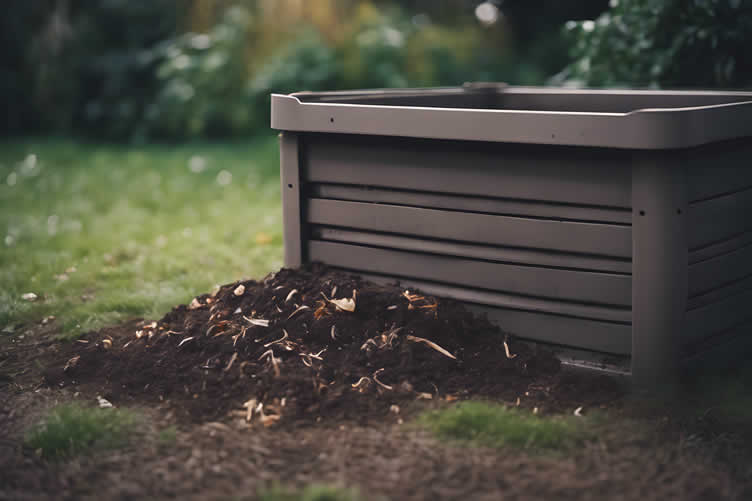
AI generated image by 123rf.com
[ youtube: common compost problems fixed ]
[ youtube: composting toubleshooting ]
-
-
3rd: Success Stories in Sustainable Composting
To grasp the full impact of composting, it’s beneficial to explore successful cases where composting practices have made a significant difference. By examining these examples, you can gain insights and perhaps find inspiration to adopt similar practices.
Here are a few cases that highlight the benefits and effectiveness of composting:
-
Urban Composting Initiatives
Many cities are promoting composting as part of their sustainability efforts, with urban dwellers finding innovative ways to compost in small spaces. From countertop bins for apartment dwellers to community gardens with large-scale compost operations, the trend is clear—composting isn’t just for the suburbs.
-
Rooftop Composting and Gardening
In densely populated areas, gardeners on the cutting edge are using composting techniques to grow crops in unconventional spaces, like rooftops. These gardens not only provide fresh produce but also help reduce heat islands, improving urban micro-climates.
-
Kitchen Composting at Home
An often overlooked but vital component of reducing household waste and enhancing garden soil is kitchen composting. This practice involves collecting organic waste, such as fruit and vegetable peels, coffee grounds, and eggshells, in a designated compost bin within the kitchen.
Not only does this process positively impact the environment by reducing landfill waste, but it also transforms kitchen scraps into valuable organic matter that can enrich garden soil.
With the use of a small, odor-controlled bin, kitchen composting can easily be integrated into daily routines, providing a steady source of nutrients for home gardens and potted plants.
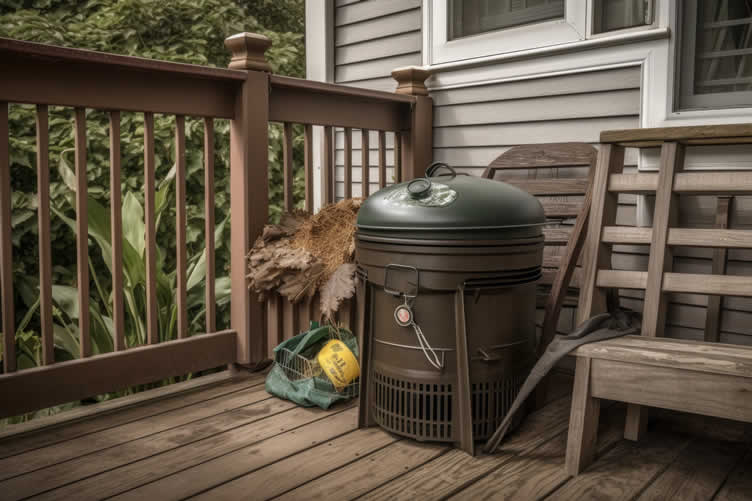
copyright image by 123rf.com
[ youtube: how to compost on a balcony ]
[ youtube: best countertop compost bins ]
-
-
4th: Seeking Professional Help for Composting Setup
While DIY composting has its charms, consulting with a garden expert to set up your composting area can streamline the process and ensure its efficiency. These professionals can offer tailored advice on the right balance of green and brown materials, moisture levels, and aeration, which are critical for a successful compost.
They can also recommend the best type of composting system for your space, be it a tumbler for a small backyard or a three-bin system for larger gardens. By leveraging their expertise, you can avoid common pitfalls and accelerate the composting process, transforming your kitchen scraps and yard waste into nutrient-rich soil more efficiently.
Furthermore, a garden expert can provide insights into using your compost most effectively in your garden, enhancing plant growth and soil health.
LetsRenovate has partnered with HomeAdvisor™, a renowned provider of highly-rated, carefully-vetted local contractors. Start your search here by choosing the type of contractor you need and entering your zip code to find local professionals.
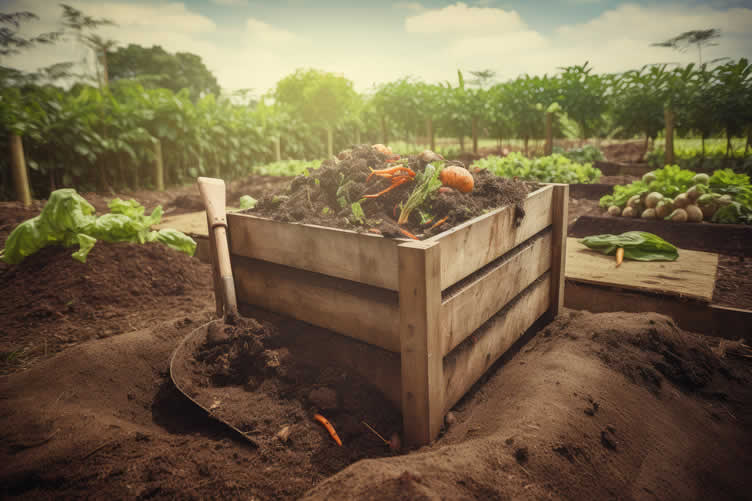
copyright image by 123rf.com
But Wait!
If seeking professional help seems daunting or out of budget, consider reaching out to friends or neighbors who have experience with composting. Often, personal networks can provide valuable insights and may even connect you with a seasoned compost gardener in your community.
This informal mentorship not only can help you set up your composting system more effectively but also fosters a sense of community and shared environmental responsibility.
Engaging with others in your local area who are passionate about composting and sustainable living can provide ongoing support, troubleshooting tips, and encouragement as you incorporate this green practice into your lifestyle.
-
-
FINAL REMARKS
Composting is a simple yet powerful act of sustainability that has a ripple effect, from the microorganisms in your compost pile to the greater fight against climate change. By building and maintaining your own garden compost, you’re contributing not only to your immediate garden ecosystem but to the health of the planet as a whole.
It’s time to take action. Start composting today, and in a few months, you’ll see the difference in your garden—and in the world around you. Remember, the earth doesn’t belong to us, we belong to it—composting is our way to give back.
-
ideas to view and compare from the information discussed above
- What comments can you share about
garden compost?
Scroll up to directory … or scroll to more yard n’ garden-related topics …
view illustration “becoming a bank”



yard n’ garden needs
Cover image credit: garden compost by 123rf.com
end of post … please share it!
 |
did you find how this garden compost analysis helpful? If so, please share the article with your friends and family! |
Nice pic idea? Leave us a quick comment below.
And please share this pic idea within your social networks.