Summary Outline –
Natural light in our homes is not just a matter of aesthetic, but it plays an integral role in our overall health, well-being, and mood. Exposure to natural light can significantly enhance our mood, increase productivity, and even improve our quality of sleep, as it helps to regulate our body’s natural circadian rhythm.
Furthermore, harnessing the power of natural light can not only make a space appear more inviting and spacious, but it can also enhance the overall aesthetic appeal of our homes.
The warm glow of sunlight streaming through windows creates a welcoming ambiance that is hard to replicate with artificial lighting. It creates a sense of connection with the outdoors, bringing a touch of nature into our living spaces.
Summary of Site Content
1st Dialogue: [view Dialogue]
… our initial dialogue aims to establish the concept of natural light and explore the distinguishing characteristics between natural and artificial light sources that illuminate our homes.
2nd Dialogue: [view Dialogue]
… the second dialogue explores the health advantages of natural light and the positive impact it has on our mood, sleep, and other key benefits.
3rd Dialogue: [view Dialogue]
… continuing on, the third Dialogue explores the impact of the sun, which brings light to our homes and contributes to conservation efforts such as providing warmth during colder months and harnessing solar energy.
4th Dialogue: [view Dialogue]
… the fourth dialogue delves into home renovation ideas aimed at maximizing the influx of natural light. These ideas encompass the incorporation of larger windows, solar tubes, and an open living concept.
5th Dialogue: [view Dialogue]
… the fifth dialogue explores affordable home improvements that enhance natural lighting by incorporating mirrors and other reflective items.
6th Dialogue: [view Dialogue]
… the sixth and final dialogue summarizes the entire discussion with an Inforgraphic that highlights key points addressed in the post analysis on how to get enough natural light into your home.
However, despite the numerous benefits, it is unfortunate that many homes are not optimally designed to maximize the influx of natural light. This lack of thoughtful architectural consideration often results in dimly lit rooms and missed opportunities to fully embrace the beauty and potential of natural lighting.
In the following discussion, we will analyze the numerous benefits of natural light as illustrated in our natural light infographic, and explore myriad ways to increase its influx into our homes.

-
Quick scroll to first topic about getting enough natural light …

first “getting enough natural light” idea


copyright image by 123rf.com
Dialogue 1: What is Natural Light
Notes:
-
Natural light, also known as daylight, originates from the sun and is the primary source of illumination that influences the world around us. It’s a full-spectrum light that includes visible, infrared, and ultraviolet light, although the majority of natural light falls within the visible spectrum.
The amount of natural light in a space significantly contributes to its ambiance and mood, and it can have profound effects on one’s health and wellbeing.
The sources of natural light include:
-
The Sun
The sun, the primary and most significant source of natural light, radiates its rays that traverse the vast expanse of space, reaching our planet during the day. With its golden beams, it showers the Earth, illuminating every nook and cranny, casting its radiant light on the vibrant landscapes, bustling cities, and serene oceans.
-
The Moon
The moon, a celestial object that doesn’t emit light of its own, acts as a mirror, reflecting sunlight back to Earth. This phenomenon presents us with a captivating display of softer, more subtle natural light during the evening and night, creating a serene and enchanting atmosphere for us to marvel at the beauty of the night sky.
-
Stars
Stars, like our sun, emit their own light due to the nuclear reactions happening within them. Although the light from other stars is much less bright than sunlight due to the vast distances involved, this starlight does contribute to the overall natural light we experience, especially on clear nights.
-
Lightning
Lightning, while a more sporadic and less reliable source, is another mesmerizing and awe-inspiring form of natural light. The intense energy released during a lightning strike can momentarily turn the darkest of nights into a dazzling display of illuminated brilliance.
As bolts of lightning streak across the sky, they illuminate the surroundings, casting an ethereal glow that captures the imagination and leaves an indelible impression on those fortunate enough to witness this extraordinary phenomenon.
-
Fire
Fire has been utilized as a reliable source of light for thousands of years, providing warmth and illumination in various forms. Whether emanating from a crackling campfire under a starry night sky, a flickering candle casting dancing shadows on the walls, or a traditional lantern creating a cozy ambiance, the captivating glow of fire possesses an innate charm.
-
-
Quick scroll to supporting side notes …
-
-
1st: The Sun’s Role in Emitting Light
The sun, the most prominent source of natural light, emits light due to a process called nuclear fusion, which occurs in its core.
In this process, hydrogen atoms combine to form helium, releasing vast amounts of energy in the form of light and heat. This light then travels through space and reaches our planet, providing daylight and driving photosynthesis, a process vital for life on Earth.
The sun emits a broad spectrum of light, from ultraviolet (UV) to visible light, to infrared (IR). The visible light spectrum, which our eyes can detect, is what illuminates our environment during the day.
The intensity and quality of this sunlight vary throughout the day. During sunrise and sunset, the sun’s light has to pass through more of the Earth’s atmosphere, which scatters the shorter, bluer wavelengths of light and allows the longer, redder wavelengths to reach us.
This phenomenon is why these times of day are bathed in a warmer, redder light.
-
The Sun’s Broad Spectrum of Light
The sun emits a wide range of light, which can be categorized into three main types: Ultraviolet (UV) Light, Visible Light, and Infrared (IR) Light.
- Ultraviolet (UV) Light:
This is the part of the spectrum that is beyond the violet end of visible light and is not visible to the naked eye. UV light has shorter wavelengths and higher energy than visible light. Prolonged exposure to UV light from the sun can cause skin damage and eye problems. However, in moderate amounts, it helps our bodies produce vitamin D. - Visible Light:
This is the segment of the solar spectrum that the human eye can see. It ranges from the wavelengths of approximately 400 nanometers (violet) to 700 nanometers (red). This type of light is responsible for the illumination of our environment during the daytime. - Infrared (IR) Light:
This type of light has longer wavelengths than visible light, making it invisible to the human eye. However, we can feel it as heat. In fact, the majority of the sun’s energy is emitted as infrared light. It plays a crucial role in keeping the Earth warm.
- Ultraviolet (UV) Light:

copyright image by 123rf.com
[ view illustration: the sun rays and the earth ]
[ youtube: sun 101: National Geographic ]

-
-
2nd: Artificial Light and Its Impact
Artificial light, as the term suggests, is man-made and produced through various means, contrasting natural light that emanates from the sun.
Artificial light sources have become a fundamental part of modern living, illuminating our homes and workspaces after the sun has set.
-
Types of Artificial Light and Their Sun-like Counterparts
- Incandescent Bulbs:
These are the traditional light bulbs that produce light when an electric current heats a tungsten filament inside the bulb. They produce a warm, inviting light that closely emulates the glow of the setting sun. - Fluorescent Lamps:
These use electricity to excite mercury vapor, which in turn produces a short-wave ultraviolet light. This causes the phosphor coating inside the lamp to glow, making fluorescent lamps more energy-efficient compared to incandescent bulbs. They emit cool, bright light that can mimic the intensity of the midday sun. - LED Lights:
LED, standing for Light Emitting Diodes, are the most energy-efficient and longest-lasting artificial light source. LEDs can emit light of any color, depending on the energy band-gap of the semiconductor material used. Certain LEDs can replicate the full spectrum of sunlight, making them an excellent choice for mimicking natural light indoors. - Halogen Lamps:
Halogen lamps produce a bright, white light that resembles the clarity of natural daylight. They offer excellent color rendition, making them ideal for tasks requiring attention to detail.
- Incandescent Bulbs:
-
Maintaining a Balance of Artificial and Natural Lighting
Despite our best efforts to mimic natural sunlight with artificial lighting options, it’s worth noting that artificial light has a unique impact on our health.
Continuous exposure to artificial light, especially from sources like LED and fluorescent lights, can potentially disrupt our body’s circadian rhythm, leading to sleep disorders, stress, and even depression.
In contrast, natural light helps regulate our internal body clock, promoting healthier sleep patterns and boosting mood.
Too much exposure to artificial light can also strain our eyes, causing discomfort and potentially exacerbating conditions like myopia.
This is why, while artificial light is vital for modern life, it’s equally important to assess the amount of natural light your home gets, and make conscious efforts to maximize it for your health and well-being.

copyright image by 123rf.com
-
-
-
ideas to view and compare from the information discussed above
Scroll up to directory … or scroll to next section about getting enough natural light …


second “photo remodeling” idea

AI generated image by 123rf.com
Dialogue 2: The Health Benefits of Natural Light
Notes:
-
Natural light in the home and office offers a wealth of benefits, enhancing not just the aesthetics of the space, but also contributing significantly to the health and well-being of the occupants. As a natural source of illumination, it is not only eco-friendly but also helps reduce energy consumption by decreasing the dependence on artificial lighting during the day.
-
Health Benefits
Diving into the health benefits of natural light, it is noteworthy that this elemental feature of our environment extends beyond mere illumination, playing a vital role in enhancing our mood, improving our sleep patterns, and even boosting our vitamin D levels.
-
Natural light boosts vitamin D synthesis:
Exposure to sunlight promotes the production of Vitamin D in our bodies. This essential nutrient plays a crucial role in promoting bone health and immune system function. -
Promotes better sleep:
Sunlight helps regulate our body’s natural circadian rhythms. Exposure to natural light during the day aids in maintaining a healthy sleep-wake cycle, thereby promoting better sleep at night. -
Boosts mood:
Research has shown that exposure to natural light can help reduce the symptoms of seasonal affective disorder and other forms of depression. Sunshine boosts serotonin, a hormone associated with boosting mood and helping a person feel calm and focused.
-
-
Enhancing Productivity and Aesthetics
Moving beyond the health benefits, natural light plays a significant role in enhancing productivity and uplifting the aesthetic appeal of our living and working spaces.
-
Improves productivity:
A well-lit workspace with ample natural light can significantly improve productivity. Studies have shown that workers in offices with natural light reported higher levels of energy than those in artificially lit workplaces. -
Enhances aesthetics:
Natural light makes spaces look larger and more inviting. It adds a certain charm and warmth that artificial lighting finds hard to replicate, thereby enhancing the overall aesthetics of the home or office.
-
-
Energy Efficiency
One of the often overlooked, yet highly beneficial aspects of utilizing natural light in your home or office is the considerable energy efficiency it provides.
-
Reduces energy consumption:
Natural light helps decrease the reliance on artificial lighting, thereby reducing energy costs. It is a sustainable choice that plays a crucial role in energy conservation. -
Natural warming:
Another benefit of natural light is that it warms up your indoor spaces, providing a comfortable and cozy environment. Sunlight streaming in through windows can effectively increase the ambient temperature, reducing the need for artificial heating and further contributing to energy conservation.
-
Embracing natural light in our living and working environments is not just a design choice, but a lifestyle one that offers wide-ranging benefits.
From improved health and well-being to enhanced aesthetics and energy efficiency, natural light is a valuable resource that we should make the most of in our homes.
-
-
Quick scroll to supporting side notes …
-
-
1st: Intrinsic Benefit: Boosting Mood and Well-being
Natural light is not just beneficial for the physical aspects of our spaces, it also holds immense intrinsic value, notably in boosting mood and promoting overall well-being. Exposure to natural light has been linked to improving mood and energy, largely attributed to the production of the mood-enhancing hormone serotonin.
-
Natural Antidepressant:
Sunlight is a natural antidepressant. Exposure to natural light, especially in the morning, helps balance brain chemicals and hormones, keeping depression and anxiety at bay.
Spending time in a naturally lit environment can have a significant impact on our mental health, reducing stress and creating a sense of calm.
-
Improves Sleep Quality:
Exposure to natural light during the day is also known to boost sleep quality. The natural light-dark cycle helps maintain the body’s circadian rhythm, our internal body clock that signals our body when to sleep and wake up.
A well-adjusted circadian rhythm leads to better sleep quality, which in turn contributes to overall health and well-being.
Incorporating more natural light into our homes is thus not just a choice, but a necessity for improved physical and mental health. It’s a small change that can have a profound impact on our daily life and well-being.

copyright image by 123rf.com
[ youtube: benefits of natural lighting to your health ]
[ youtube: 5 health benefits of natural light ]
-
-
2nd: Natural Light Enhances The Spaces
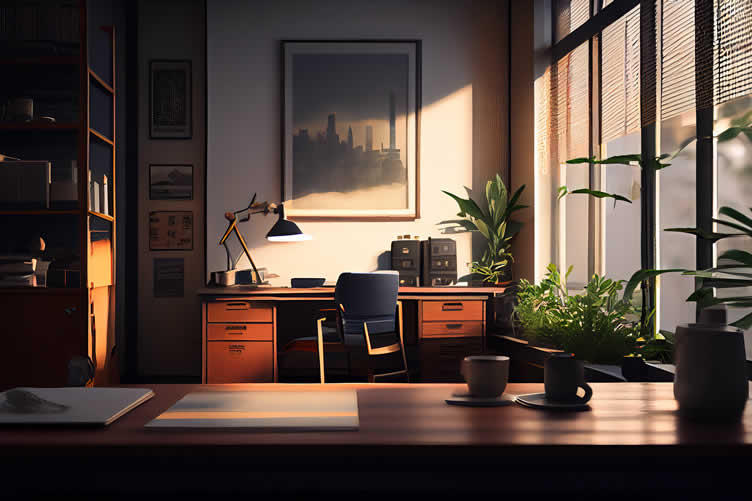
Natural light can dramatically transform the aesthetics of our homes, adding depth, showcasing textures, and highlighting the true colors of the interior design elements.
When spaces are filled with natural light, everything from furniture to wall art seems to come alive, taking on a more vibrant and visually appealing appearance. Natural light accentuates the beauty of architectural elements, making them stand out, and creates interesting shadows that add character and depth to the space.
Thus, natural light is not only a health booster, but also a powerful, cost-effective interior design tool that can enhance the beauty and warmth of our living spaces.
-
Letting Nature Into Your Home:
Incorporating elements of nature, such as a variety of plants and using natural materials like beautiful, handcrafted wood furniture, can further enhance the benefits of natural lighting in your home.
These carefully selected and thoughtfully placed elements work harmoniously together to create a calming and soothing environment that not only promotes overall well-being but also adds a touch of nature-inspired elegance to your living space, bringing the serene beauty of the outdoors inside.
-
Creating an Illusion of More Space:
Natural light has the power to make any room feel larger and more spacious than it actually is. By effortlessly eradicating harsh shadows and bathing the room in a gentle, uniform radiance, natural light masterfully crafts an illusion of magnified expanse within the confines of your very own home.
This transformative quality of natural light proves especially advantageous for smaller or confined spaces, as it ingeniously bestows a sense of openness and freedom, ultimately redefining the boundaries of your living environment.
-
Highlighting Architectural Features:
Natural light, with its gentle and warm embrace, has the remarkable ability to showcase the exquisite architectural features of your home. As it gracefully filters through windows and skylights, it delicately dances upon surfaces, accentuating textures, colors, and shapes, unveiling the hidden beauty in every intricate detail.
This enchanting interplay of light and form not only adds a touch of elegance and sophistication to your living space but also enhances its overall value, creating a haven of serenity and allure.
copyright image by 123rf.com
-
-
3rd: Some Caution However
While the benefits of natural light are numerous, it’s essential to remember that too much sunlight can have its drawbacks. Overexposure to sunlight can lead to sunburn, skin aging, and even skin cancer due to harmful ultraviolet (UV) radiation.
It’s crucial to protect your skin by wearing sunscreen, even when indoors if your home gets a lot of sunlight.
Additionally, excessive sunlight can cause a glare on screens, making it difficult to work or watch television. Over time, too much sunlight can also lead to the fading of furniture and artwork.
Therefore, while it’s important to let in natural light for its many advantages, it’s equally vital to balance it with adequate shade and protections.
-
About Ultraviolet Radiation Levels
Ultraviolet (UV) radiation from the Sun is typically categorized into three main types based on the wavelength:
- UV-A:
This is the longest wavelength region (320-400 nm) and it constitutes about 95% of the UV radiation reaching the Earth’s surface. UV-A penetrates deeply into the skin and is known for causing long-term skin damage such as premature aging. - UV-B:
UV-B radiation (280-320 nm) is biologically active but due to its shorter wavelengths, it is partially absorbed by the ozone layer. An excess of UV-B radiation can cause sunburn and lead to skin cancer. - UV-C:
This is the most dangerous form of UV radiation but fortunately, these far-UV rays (200-280 nm) are completely absorbed by the Earth’s atmosphere and do not reach the surface. Thus, they do not play a significant role in skin exposure.
It is important to note that while sunlight is the main source of UV radiation, artificial sources like welding machines, tanning beds, and lasers can also emit UV radiation.
- UV-A:
-
Cultural Differences in UV Ray Absorption
People from different cultural and ethnic backgrounds exhibit varying levels of sensitivity to ultraviolet (UV) radiation, largely due to differences in skin pigmentation.
- Darker-skinned individuals:
Those with darker skin, often people from African, South Asian, and Middle Eastern cultures, generally have more melanin – the pigment responsible for skin, hair, and eye color. - Melanin acts as a natural sunscreen, absorbing UV rays and dispersing them as heat. Therefore, these individuals are naturally more resistant to the harmful effects of UV radiation, such as skin aging and skin cancer.
- Lighter-skinned individuals:
Conversely, light-skinned individuals – such as those of Northern European descent – have less melanin, making them more susceptible to UV-induced damage. - Frequent sunburns and skin cancers, including melanoma, are more common in this demographic.
Nonetheless, it is essential to remember that no skin type is completely immune or resistant to the potential damage caused by UV radiation. Therefore, regardless of cultural or ethnic background, appropriate sun protection measures should be taken when exposed to sunlight.
- Darker-skinned individuals:

copyright image by 123rf.com
[ youtube: what actually happens when you get a sunburn ]
[ youtube: how to reverse skin damage from the sun ]
-
-
-
ideas to view and compare from the information discussed above
sun protection shirtssun protection eyewearpatio sun umbrella
Scroll up to directory … or scroll to next section about getting enough natural light …
 … grab this directory of ideas

let the sunshine in

May We Suggest Other Photo Remodeling Ideas About
“Taking Advantage of the Sun …” (new win)



third “photo remodeling” idea
copyright image by 123rf.com
Dialogue 3: The Sun’s Impact on Natural Light in Homes
Notes:
-
The sun’s position in the sky directly influences the quality and quantity of natural light in a home. Its trajectory changes with the seasons, making certain rooms brighter or darker throughout the year.
A room with south-facing windows, for instance, receives the most sunlight and is often the brightest. Conversely, north-facing rooms may receive less intense, indirect sunlight.
For those in the planning phase of a build or remodel, try to orient the structure in a way that will maximize the amount of sunlight received, usually this means having the most frequently used rooms facing the south.
Understanding the sun’s movement helps in maximizing the use of natural light in homes, which can contribute to a healthier living environment and even reduce energy costs. Therefore, the strategic placement of windows, mirrors, and other reflective surfaces can enhance the distribution of sunlight within the home, improving both aesthetics and functionality.
Remember, the more we can harness and utilize these sources of natural light, the less we’ll need to rely on artificial lighting—making our homes more energy-efficient and environmentally friendly.
-
Positioning Furniture and Workspaces Near Windows
Positioning furniture and workspaces near windows can significantly enhance the enjoyment and utility of natural light. For instance, setting a home office next to a window can increase productivity and improve mood by providing a refreshing view and reducing reliance on artificial lighting.
It’s important, however, to consider potential glare on computer screens — a sheer curtain or adjustable blinds can mitigate this.
In living areas, placing seating arrangements near windows can create a cozy, sunlit spot perfect for reading or relaxing. Similarly, in dining rooms, a table near a window offers an appealing, naturally lit space for meals.
Remember to balance the natural light with the room’s aesthetics and function — mirrors and strategic color choices can help distribute light effectively.
Ultimately, smart positioning of furniture and workspaces can maximize the benefits of natural light, contributing to an energy-efficient, pleasant, and healthy living environment.
-
-
Quick scroll to supporting side notes …
-
-
1st: Energy Conservation Through Natural Sunlight
Natural sunlight is not just a great source of Vitamin D, but also an efficient way to reduce energy consumption at home.
One of the most direct ways it helps conserve energy is by reducing the need for artificial lighting. Bright, sunny rooms require less electric light, which can lead to significant energy savings.
Moreover, natural light can also play a role in heating your home. Sunlight streaming through the windows can naturally warm up your home during the cooler months, reducing the reliance on heating systems and thus saving energy.
However, it’s important to consider the right type of window glazing – double-glazed windows can help retain this heat, making your home more energy-efficient.
-
The Benefits of Double-Glazed Windows for Solar Heating
Double-glazed windows are a fantastic addition to any home aiming to maximize the benefits of natural light, particularly in the cooler months. These windows consist of two glass panes with a gap in between, creating an insulating barrier that keeps warmth in and cold air out.
During the daytime, natural sunlight streams through the glass, warming up the interior spaces and reducing the need for artificial heating.
Beyond providing a cozy living environment, double-glazing also aids in maintaining a stable indoor temperature. The trapped air or gas layer within the window acts as insulation, preventing the rapid loss of heat when the outside temperature drops.
This makes your home more energy-efficient, saving on heating bills and contributing to a greener environment.
Moreover, double-glazed windows are not only practical for energy conservation; they also add aesthetic appeal. They allow ample natural light into your home, illuminating your space and making it appear more spacious.
This way, you can enjoy the benefits of natural light without compromising on comfort and energy efficiency.

copyright image by 123rf.com
-
-
2nd: Harnessing Solar Energy for Cooling in Summer
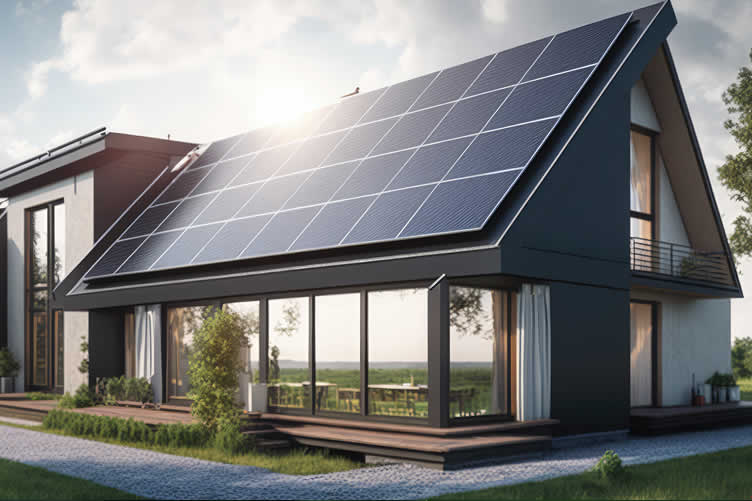
As the summer months approach with warmer weather, the benefits of natural light extend beyond just illumination and heating. With the aid of solar panels, sunlight can be harnessed to power cooling systems, further enhancing the energy efficiency of your home.
Solar panels convert sunlight into electricity, which can then be used to run air conditioners and other cooling systems. This not only reduces the strain on the power grid during peak usage times but also significantly lowers your energy bills.
Thus, the natural light illuminating your home during the summer not only creates a well-lit, vibrant space but also contributes to a cooler, more comfortable living environment.
-
Cost-Benefit Analysis of Adding Solar Panels
Adding solar panels to your home can be a significant investment, but it’s one that often pays for itself over time. The initial cost involves purchasing and installing the solar panel system, which can be substantial.
However, once installed, the maintenance cost is minimal, and the system can last for 25 to 30 years, providing free energy once the initial investment is recouped.
The financial benefit becomes evident when considering the reduction in energy bills. With solar panels, you’re generating your own electricity, reducing or even eliminating your reliance on the grid.
Moreover, during peak sunlight hours, any excess power your panels produce can often be sold back to the grid, providing an additional income stream.
In many regions, governments offer incentives and grants for homes that install solar panels, which can further offset the initial cost. Additionally, homes with solar panels often command a higher market value, making solar panels an investment that can increase your property’s worth.
In conclusion, while the upfront cost of adding solar panels can be daunting, the long-term benefits — reduced energy bills, potential income from excess power, and increased home value — can make it a worthwhile investment.
The exact cost-benefit ratio, of course, will depend on several factors, including your geographical location, the size and efficiency of your solar panel system, and local utility rates and incentives.
copyright image by 123rf.com
-
-
-
ideas to view and compare from the information discussed above
Scroll up to directory … or scroll to next section about getting enough natural light …
SHARE IT ..! You might have someone in your social network who could find this informative post on how simple renovations can boost your mental health valuable. Feel free to share it on Facebook, Twitter, LinkedIn, or Pinterest!



fourth “photo remodeling” idea
copyright image by 123rf.com
Dialogue 4: Renovations to Add More Natural Light
Notes:
-
Maximizing natural light in your home not only offers energy-saving advantages and health benefits, but it also enhances the aesthetic appeal of your living spaces. The interplay between natural light and interior design can transform any room, creating a sense of spaciousness while highlighting architectural details and decor.
So how do you plan a renovation to increase natural lighting? Start by evaluating your home’s current natural lighting situation. Take note of the rooms that receive the most natural light and those that seem to always be in shadows. Consider which areas you want to prioritize when it comes to increasing natural light.
In the following section, we will be discussing essential tips and strategies for renovating your home to invite more of that glorious natural light.
-
Quick scroll to supporting side notes …
-
-
1st: Add or Expand Windows
If your windows are small or outdated, replacing them can significantly increase the amount of natural light in your home. The type of window you choose plays a major role in the amount of natural light that enters, and there are numerous options tailored to maximize sunlight.
Let’s explore a few types of windows that are ideal for welcoming natural light into your home.
-
Larger Windows
Opting for larger windows is a straightforward and effective way to invite an abundance of natural sunlight into your space. These expansive windows not only flood the room with warm, energizing light but also provide an extended view of the outside world, creating an enchanting illusion of a more spacious and airy environment.
From elegant bay windows that offer a cozy nook for relaxation to graceful bow windows that add a touch of architectural charm, there are a plethora of styles available to perfectly complement and enhance the design of your home.
[ view sample widows: bay windows ]
-
Picture Windows
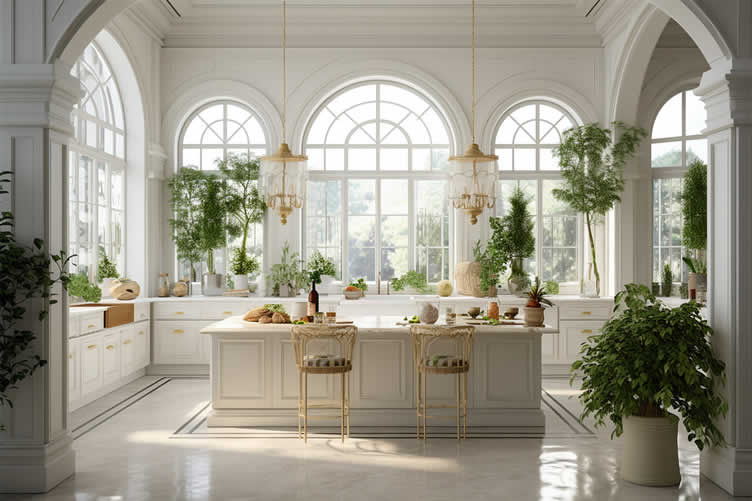
Picture windows, also known as fixed windows, are large, stationary windows that are designed to enhance your living space by maximizing your view and flooding it with an abundance of natural light.
These windows are specifically crafted to provide an uninterrupted and unobstructed view of the outdoors, making them perfect for rooms where you want to constantly immerse yourself in the beauty of nature.
With their expansive glass area, picture windows not only bring the outdoors in, but they also create a sense of spaciousness and openness, making your living area feel even more bright and inviting. e world, transforming your space into a tranquil and visually stunning oasis.
[ view sample widows: picture windows ]
-
Skylights
Skylights are specially designed windows installed in the roof, strategically placed to provide a unique and captivating source of overhead natural light. By harnessing the power of the sun, skylights illuminate interior spaces, creating a warm and inviting atmosphere.
This can be particularly beneficial in rooms without wall space for traditional windows, allowing for a greater sense of openness and connection to the outdoors.
Moreover, skylights offer the advantage of bringing in ample natural light while preserving privacy, making them an excellent choice for bathrooms or bedrooms where both luminosity and seclusion are desired.
[ view sample widows: skylights ]
-
Other Windows
In addition to the previously mentioned window types, there are other options to consider.
Casement windows, for instance, are hinged at the sides and open outward, providing not only an abundance of natural light but also excellent ventilation. Sliding windows, with their wide design, allow for ample light to brighten up any space.
For a more unique choice, glass block windows offer a combination of privacy and translucency, letting in just the right amount of natural light while still maintaining a sense of seclusion.
[ view sample widows: glass block windows ]
-
Glass Doors
Beyond windows, incorporating glass doors into your home design is another effective way to increase natural light. Patio doors or French doors, with their extensive glass panels, allow a substantial amount of light to filter into your home, creating a bright and airy atmosphere.
They also serve as a seamless transition between your indoor and outdoor living spaces, enhancing not only the illumination but also the perception of space in your home.
Furthermore, interior glass doors, such as those used for office spaces or sunrooms, can distribute light throughout your home, ensuring no room is left in the dark.
Glass doors can be customized to fit your privacy needs with the use of frosted or tinted glass, thus allowing you to maintain a balance between openness and privacy.
[ view sample widows: glass interior doors]
copyright image by 123rf.com
-
-
2nd: Use of Solar Tubes
Solar tubes, also known as sun tunnels or light tubes, are an innovative and energy-efficient home renovation solution to increase natural light in areas that lack windows.
These tubes are designed to capture sunlight from the rooftop and channel it directly into the darker spaces of your home, effectively illuminating them with a beautiful, diffused natural light.
-
Where to Place Solar Tubes
Installing solar tubes can be an effective strategy in various parts of your home. Here are some ideal placements for these natural light enhancers:
- Hallways and Corridors:
These often dark, narrow spaces can greatly benefit from the soft illumination provided by solar tubes, making them appear brighter and more spacious.[ view samples: hallway solar tube before and after]
- Closets and Storage Rooms:
These areas often lack windows but require adequate lighting for visibility. Solar tubes can provide the necessary illumination without the need for artificial light.[ view samples: closet solar tubes]
- Bathrooms:
Solar tubes offer a unique solution for bathrooms, providing ample natural light while maintaining privacy.[ view samples: bathroom solar tubes]
- Basements:
Notoriously low-light areas, basements can be completely transformed by the introduction of solar tubes. They provide a natural solution to the usually drab lighting situation in these spaces.[ view samples: basement solar tubes ]
- Hallways and Corridors:
-
Installing Solar Tubes
Installing solar tubes involves a process that requires careful planning and execution. While it is possible to install solar tubes yourself, considering a professional installer may ensure the most effective results.
Here’s a general step-by-step guide:
- Location Selection:
Identify the appropriate spots in your home where you want to enhance natural light. The location should have a clear path from the rooftop to the desired room without any obstruction. - Rooftop Work:
Once the location is determined, trace the shape of the tube on the roof where the tube will penetrate. Cut out the traced portion using a suitable tool. - Install the Dome:
Attach the solar dome to the rooftop, ensuring it’s adequately sealed to prevent any leakage. - Insert the Tube:
Place the tube through the hole, extending it to the room below where you want the light to be directed. - Interior Work:
On the room’s ceiling, create an opening that matches the tube’s size. Attach the tube to this opening, ensuring it’s secure. - Install the Diffuser:
The diffuser is attached at the bottom of the tube in the room. It helps to disperse the light evenly throughout the room. - Sealing and Finishing:
Finally, ensure all connections are tightly sealed and properly insulated. Apply necessary finishing touches to blend the installation with your interior decor.
- Location Selection:
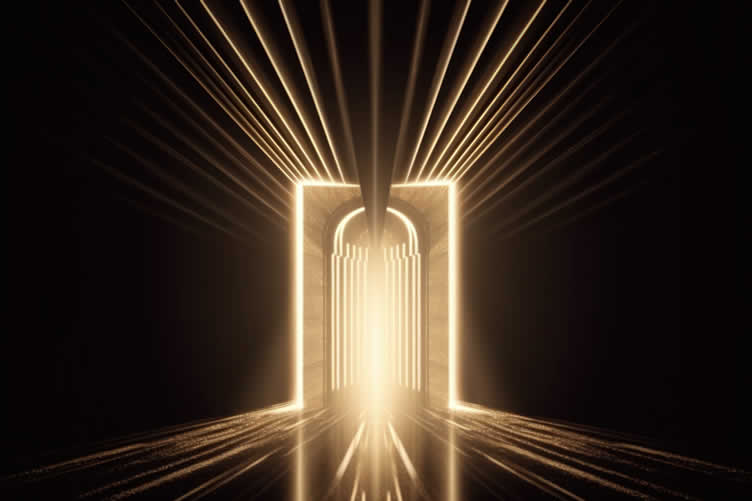
By efficiently capturing and directing sunlight, solar tubes are an excellent choice for those seeking to increase the intake of natural light in their homes. Not only do they contribute to energy efficiency, but they also create a more naturally lit, welcoming environment.
copyright image by 123rf.com
[ youtube: solatube daylighting systems: how they work ]
[ youtube: how to install a tunnel skylight – do it yourself ]
-
-
3rd: Invest In An Open Living Concept
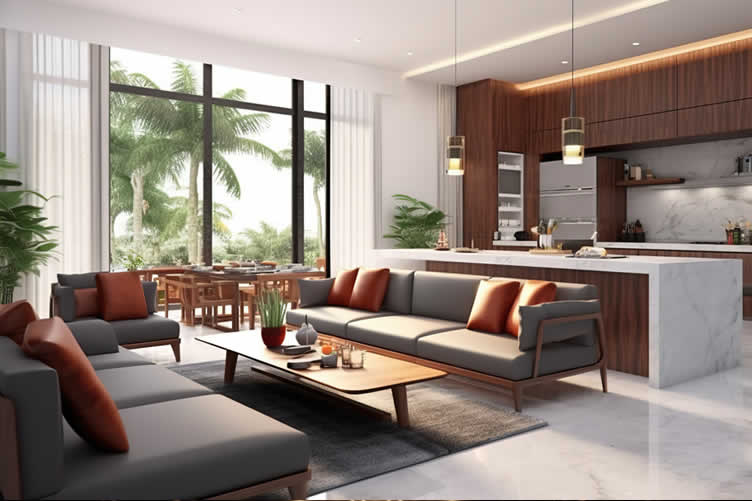
The trend towards open living concepts in home renovation isn’t just about creating a sense of spaciousness – it’s also an effective strategy to maximize the flow of natural light throughout your home.
By removing walls and barriers and allowing the living space to be open and interconnected, we enable sunlight to permeate more areas, reducing the need for artificial lighting and creating a bright, energizing environment.
An open living concept is particularly beneficial in homes where windows are limited. By eliminating barriers, the limited window light can reach further into the home, making the space feel larger and more inviting. This approach can dramatically transform a dim, confined space into a bright, airy haven.
Here are some strategies to achieve an open living concept and increase the flow of natural light in your home:
- Remove non-structural walls:
Eliminating walls that aren’t essential for structural integrity can create a spacious, open area where sunlight can easily flow through. - Use transparent or semi-transparent materials:
Incorporate materials like glass or acrylic in your interior design. These materials can partition spaces without blocking light. - Open up the ceiling:
Consider installing skylights or solar tubes. These features can allow natural light to penetrate deeper into your home. - Efficient furniture arrangement:
Arrange your furniture in a way that doesn’t obstruct the path of sunlight. Avoid placing large, bulky items near windows or other light sources.
copyright image by 123rf.com
- Remove non-structural walls:
-
-
ideas to view and compare from the information discussed above
Scroll up to directory … or scroll to next section about getting enough natural light …
below for …
home remodeling

remodeling home



fifth “photo remodeling” idea
copyright image by 123rf.com
Dialogue 5: Home Improvements to Increase Natural Light
Notes:
-
If you don’t have a budget for a renovation to enhance natural lighting, there are various home improvements that can greatly amplify the amount of sunlight in your home.
Implementing these changes can enhance your home’s energy efficiency, reduce reliance on artificial lighting, and most importantly, create a visually appealing and comfortable living space.
Let’s review some strategies that can help usher more daylight into your home.
-
Utilizing Mirrors
Mirrors are a cost-effective and stylish way to increase natural light in your home. Strategically placing mirrors on walls opposite to windows can reflect sunlight across the room, boosting the overall illumination.
Large, full-length mirrors are particularly effective at spreading light, while smaller decorative mirrors can be arranged artistically to create a similar effect.
Mirrors also enhance the perception of space, making rooms appear larger and more inviting. Remember, the goal is to amplify the natural light, so consider positioning your mirrors in a way that doesn’t cause glare or unwanted reflections.
-
Incorporate Reflective Objects
Along with mirrors, other reflective objects can be used to increase the reach of natural sunlight in your home. Decorative items such as metallic vases, shiny ornaments, or even glass furniture can contribute towards reflecting sunlight around the room, creating a visually appealing and well-lit space.
Silverware, glass decanters, crystal glassware, and shiny metallic picture frames can all be strategically placed to catch and disperse light. Even the smallest reflective decor such as a chrome bowl or a glass table top can help in reflecting and amplifying natural light.
While decorating, remember that moderation is key. Overdoing it can create unwanted glare and reflections, detracting from the cozy and inviting atmosphere you’re aiming to create.
-
Install Light-Reflective Window Treatments
Window treatments, such as curtains, blinds, and shutters, play a crucial role in modulating natural light in your home. Light-colored or semi-translucent window treatments can diffuse sunlight, spreading it evenly throughout the room.
Moreover, reflective blinds can help direct incoming light towards the ceiling, illuminating the room without causing excessive brightness or heat.
Opt for window treatments that provide flexibility, allowing for adjustments based on the time of day and the season to help you achieve the optimal level of natural light.
-
Choose Light-Colored Paint
Another effective strategy to enhance natural light in your home is through the use of light-colored paint. Dark colors tend to absorb light, making rooms look smaller and dimmer. On the contrary, light colors, especially whites and pastels, reflect light, making spaces feel brighter and larger.
For maximal light reflection, you could consider using paint with a satin or semi-gloss finish. While these finishes have a slight shine, they are more durable and easier to clean than matte options.
This can be particularly beneficial in high-traffic spaces or areas prone to dirt and stains. Remember, the goal is to amplify natural light and create a warm, welcoming environment in your home.
-
Add Sheer Curtains
Incorporating sheer curtains is another effective method to invite more natural light into your home. Unlike opaque window treatments, sheer curtains allow sunlight to pass through, subtly illuminating your room while providing a degree of privacy.
They also offer a delicate aesthetic appeal, adding a touch of elegance to your home’s interior design. Additionally, sheer curtains are versatile, easily paired with heavier drapes for nighttime use or during periods when more privacy is needed.
By choosing light, neutral-colored sheers, you can further enhance the inflow of natural light, brightening your space and creating a cozy, inviting ambiance.
-
-
Quick scroll to supporting side notes …
-
-
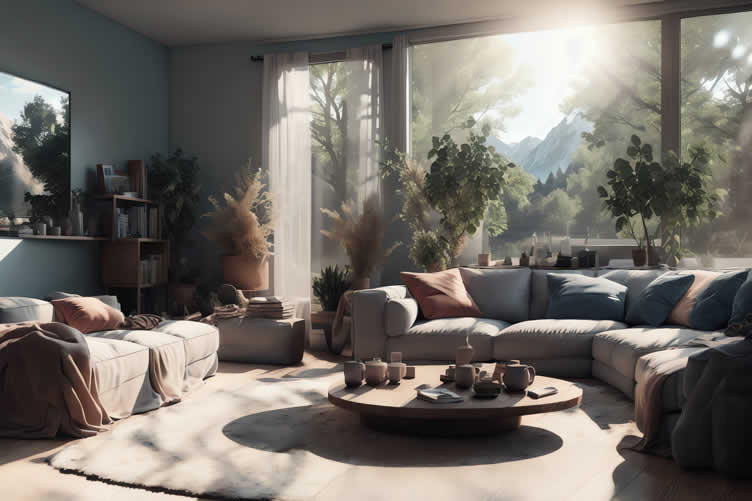
1st: Other Home Improvements and Maintenance
Sometimes, it’s the smallest changes that make the most significant impact. Apart from the above-mentioned strategies, there are several lesser-known, yet highly effective, home improvement ideas you can implement to further enhance natural light in your home.
-
Keep Windows Unobstructed
Keeping windows clear of obstructions is a straightforward and cost-effective method of allowing in more natural light. Avoid placing large pieces of furniture or heavy décor in front of windows, as these can significantly limit the influx of sunlight.
Similarly, remove or prune any external shading elements like trees or shrubs that might be blocking your windows. The goal is to maintain an unimpeded path for the sunlight to enter and illuminate your interior spaces.
-
Use Light-Colored Flooring
Light-colored flooring can significantly increase the amount of natural light that your home absorbs. Floors with a lighter finish reflect light rather than absorbing it, which can dramatically brighten up a room.
Consider opting for pale woods, like birch or white oak, for your flooring. Alternatively, light-colored tiles, carpets, or area rugs can also yield similar effects. This home improvement not only amplifies the natural light in your home but also gives your space a clean, modern aesthetic.
-
Keep Windows Clean
Over time, dirt, grime, and dust can accumulate on your windows, reducing their transparency and subsequently blocking the influx of sunlight. Regularly washing your windows can substantially enhance the amount of natural light they let in.
For the best results, opt for professional window cleaning services, as they have the knowledge, tools, and techniques to thoroughly clean your windows without causing any damage.
However, if you prefer to clean your windows yourself, use a mixture of vinegar and water for a streak-free shine.
-
Trim Large Trees and Shrubs
Another effective home improvement trick to increase natural light involves the exterior of your home. Overgrown trees, shrubs, and other vegetation can cast heavy shadows, blocking sunlight from entering your windows.
Therefore, it’s crucial to regularly trim any large trees or shrubs near your windows to ensure they aren’t obstructing natural light. By keeping these plants well-manicured and at a safe distance from your windows, you can significantly enhance the influx of sunlight into your home.
-
Consider Window Film
Window film is yet another effective method to improve the natural lighting in your home. These thin, transparent films can increase the amount of light that penetrates through your windows without compromising your home’s insulation or privacy.
Some window films are designed to filter harmful ultraviolet rays while maximizing visible sunlight, allowing for a brighter interior without the risk of sun damage to your furnishings.
Others have reflective properties that stay transparent during the day but become reflective at night, providing privacy without requiring you to close your curtains or blinds.
copyright image by 123rf.com
[ youtube: designing for sunlight ]
[ youtube: surprising ways to bring natural light in ]
-
-
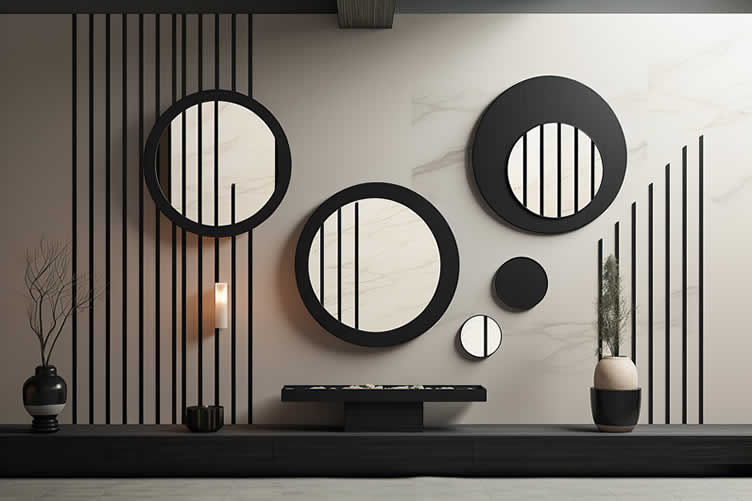
2nd: Strategically Placing Mirrors
One of other most cost-effective way to maximize natural light in your home is by strategically placing mirrors. The reflective surfaces of mirrors can effectively bounce light around, making your spaces appear brighter and more spacious.
It’s a simple trick often employed by interior designers to amplify light and create an illusion of space.
-
How to Place Mirrors for Maximum Natural Light
- Identify the Light Source:
Determine where the natural light in each room is coming from. This could be a window or a glass door. - Select the Right Mirror:
Choose a mirror that complements the style and size of your room. Larger mirrors will reflect more light, but any size will help. - Position the Mirror Correctly:
Position your mirror opposite the window or glass door, or at a right angle depending on the layout of the room. This will allow the mirror to catch the natural light and bounce it back across the room. - Adjust and Observe:
Move the mirror around to find the spot where it reflects the most light. The best position can vary depending on the time of day and the angle of the sun. - Consider Multiple Mirrors:
If one mirror improves the natural light in a room, imagine what two or more could do. But remember, the key is strategic placement, not clutter.
- Identify the Light Source:
copyright image by 123rf.com
-
-
-
ideas to view and compare from the information discussed above
Scroll up to directory … or scroll to next section about getting enough natural light …
view illustration “becoming a bank”




Find Home Remodeling Services Additions Major Remodels Minor Remodels Disability Needs Plumbing Drain Clearing Appliances Electrical top-rated, pre-screened local contractors FREE: download contractor selection enter zip code – powered by HomeAdvisor ™
Quick Contractor Guides selecting negotiating working with inspecting

sixth and last “photo remodeling” idea


copyright image by 123rf.com
Dialogue 6: Infographic: Natural Light – Brightening Up Your Life
Notes:
-
This infographic from HappyCleans summarizes the ways you can bring more natural light into your life, its various health benefits and the cost savings that come with it.
It summarizes the wealth of information discussed above into an easy-to-understand visual guide. It includes strategies for both new builds and existing homes, from optimal home orientation to the strategic placement of windows, skylights, and reflective surfaces.
Not only will these tactics brighten up your home, they’ll also boost its energy efficiency. Let’s shed some light on the matter!
-
Quirk scroll to topic "concluding" side notes …

-
FINAL REMARKS
In conclusion, leveraging natural light in your home is not only beneficial for your health and wellbeing, but it also boosts energy efficiency. Through strategic remodeling of interiors and making smart improvements, you can significantly increase the influx of natural light.
Whether it’s the clever use of skylights, choosing light-reflective interior paint, or optimizing window placements and treatments, each approach plays a crucial role in illuminating your home.
Moreover, outdoor landscaping aspects such as managing tree growth and utilizing light-colored patios can further augment the natural light in your home.
Remember, a well-lit home is a happy, energy-efficient home. Harness the power of the sun and bring your home to life with natural light.
-
ideas to view and compare from the information discussed above
natural light floor lampnatural light table lampnatural light candles
- What comments can you share about
getting enough natural light in your home?
Scroll up to directory … or scroll to more home remodeling-related topics …
Cover image credit: getting enough natural light by 123rf.com
end of post … please share it!
 |
did you find how getting enough natural light in your home analysis helpful? If so, please share the article with your friends and family! |
Nice pic idea? Leave us a quick comment below.
And please share this pic idea within your social networks.