Summary Outline –
Nurturing a garden is akin to tending to a living canvas that slowly evolves over time. Avid gardeners and landscapers understand the importance of choosing the right palette of plants for a bountiful, beautiful landscape.
And when it comes to flowers, the choice between annuals and perennials is at the core of many planting decisions. These two types of floral wonders can be masterfully combined to create stunning visual displays that flourish in their unique ways.
In our exploration of perennial and annual flowers, we’ll peer into the specifics of each type of bloom, unveil the benefits of pairing them, and share the keys to successful companion planting in your garden.
- post content … analysis/ weekend bathroom upgrades
- 1st: Planting Perennial Flowers
- 2nd: Planting Annual Flowers
- 3rd: The Floral Benefits of Diversity
- 4th: Designing Garden with Perennials and Annuals
- 5th: Planning Garden Bed Design
- 6th: Maintenance Secrets
- 7th: Sustainability: Building A Eco-Friendly Garden
- conclusion
- other garden planting topics

-
- —— begin first topic ——
-
1st flower review: Planting Perennial Flowers
Perennial flowers are the backbone of any garden, offering a recurring display of color and vitality year after year. These steadfast plants are characterized by their ability to endure multiple seasons, often with the capability to bloom repeatedly through the spring and summer months, before retreating into dormancy during the colder parts of the year.
The myriad types of perennial flowers cater to a wide range of garden designs and climate zones, from the hardy lavender which thrives in dry, sunny locations, to the shade-loving hostas with their lush foliage.
Each variety brings its own unique aesthetic and functional benefits to a garden, enabling gardeners to craft diverse and vibrant landscapes that reflect their personal style and the natural environment. To maximize their potential, understanding the specifics of planting perennials is essential.
-
Selecting the Perfect Spot
The success of perennials begins with choosing the right location. These plants thrive in spots where they can receive the appropriate amount of sunlight as dictated by their specific needs—ranging from full sun to partial shade.
Soil condition is another critical factor; most perennials favor well-drained soil enriched with organic matter. Testing your soil and amending it as necessary can provide a strong foundation for your perennials.
-
How to Plant Perennials
Planting perennials requires attention to detail to foster their growth season after season. Here are the steps to ensure a successful planting:
- Prepare the Soil:
Loosen the soil to about 12 to 15 inches deep, then mix in a 2- to 4-inch layer of compost. - Digging the Hole:
Make the hole twice as wide as the pot the plant is in, but just as deep, ensuring the plant’s crown (where the roots meet the stem) is level with the soil surface after planting. - Setting the Plant:
Remove the plant from its container and gently tease out any encircling roots to encourage outward growth. Place it in the hole, fill around it with soil, and firm it gently. - Watering:
Give the plant a generous watering to settle the soil around the roots and reduce air pockets. - More Information:
Find More information and planting tips for the following perennial flowers:
- Prepare the Soil:

copyright image by 123rf.com
Popular Perennial Types
For gardeners looking to infuse their gardens with a variety of textures and colors, there’s a plethora of perennial types to choose from. Some popular perennials include:
- Hostas:
Known for their lush foliage, these shade-loving plants are perfect for adding depth under tree canopies or in cooler corners of the garden.[ view ideas: hosta garden ideas ]
- Echinacea (Coneflower):
Praised for their vibrant and daisy-like flowers, coneflowers thrive in full sun and attract pollinators like bees and butterflies.[ view ideas: coneflower garden ideas ]
- Lavender:
With its fragrant flowers and leaves, lavender is a sun-loving plant that thrives in dry, well-drained soil, adding a touch of Mediterranean charm.[ view ideas: lavender garden ideas ]
- Sedum (Stonecrop):
A group of succulents that come in various colors and are drought-tolerant, making them ideal for rock gardens or xeriscaping designs.[ view ideas: sedum garden ideas ]
- Peonies: These lavish bloomers offer a stunning display of large, fragrant flowers in late spring to early summer. They prefer well-drained soil and full to partial sun, becoming a focal point in any garden.
[ view ideas: peonies garden ideas ]
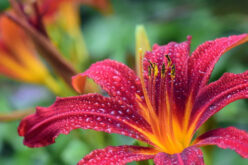
- Daylilies: Highly adaptable and low maintenance, daylilies produce a succession of colorful blooms throughout the summer. They are robust, coping well in a variety of soil conditions and sun exposures.
[ view ideas: daylilies garden ideas ]
- Shasta Daisy: With classic white petals surrounding a sunny yellow center, Shasta Daisies are easy to care for, requiring full sun and well-drained soil. They are excellent for cut flowers and cottage gardens.
[ view ideas: shasta daisy garden ideas ]
- And others (as noted below):
By carefully considering the location, planting appropriately, and choosing types that complement your garden’s design and climate, perennials can provide a recurring display of beauty and color year after year.
Sunny Perennial Pics
Part-Sun Perennials
viewing amazon
-
-
2nd flower review: Planting Annual Flowers
Unlike perennials, annual flowers complete their life-cycle in one year, making them a dynamic choice for gardeners looking to change their garden’s appearance each season. Planting annual flowers offers an opportunity to experiment with color, texture, and form, as these plants tend to bloom prolifically throughout the growing season.
-
Where to Plant Annuals:
Annuals are versatile and can thrive in a variety of settings—be it in garden beds, containers, or hanging baskets. They are perfect for filling in gaps between perennials, creating stunning container arrangements, or designing patterned beddings.
Select a site that matches the light requirements of the annuals you wish to grow; some demand full sun, while others thrive in partial shade or even full shade.
- Front Yard Beauty:
Annuals can provide an inviting, colorful entrance to your home. Plant flowers like petunias and marigolds near walkways, entryways, or along the driveway to welcome guests with vibrant colors.[ view ideas: front yard annual flowers design ]
- Backyard Retreat:
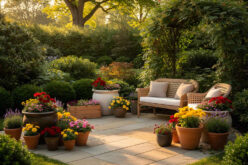
Use annuals to create a relaxing backyard oasis. Plant impatiens and other shade-loving annuals under trees or in shaded areas to brighten these spaces. Consider placing colorful annuals around seating areas, patios, or decks to create a cozy, inviting atmosphere.[ view ideas: backyard annual flower design ]
- Vertical Interest:
Utilize vertical spaces by incorporating hanging baskets or trellises covered in annual vines like morning glories or sweet peas. This approach adds depth and layers to your garden, making smaller spaces appear larger.[ view ideas: hanging annual flowers ]
- Edible Garden Accents:
Some annuals, such as nasturtiums and marigolds, can be planted in vegetable gardens or alongside herbs to add color and deter pests. Their vibrant colors not only enhance the visual appeal of your edible garden but also promote a healthier growing environment.[ view ideas: using flowers in vegetable garden ]
- Front Yard Beauty:
-
How to Plant Annuals
When planting annuals, choose a location with the appropriate sunlight requirements for the species you’ve selected. Amend the soil with compost to provide rich, fertile ground, and ensure good drainage to prevent root rot.
Plant after the last frost to safeguard against cold damage. Water generously after planting and keep the soil consistently moist throughout the growing season.
To ensure your annual plants thrive, follow these basic planting guidelines.
- Prepare the Soil:
Begin by preparing your soil with organic matter such as compost or peat moss to enrich it and improve drainage. This step is crucial for healthy root development and optimal plant growth. - Give Them Space:
Space the plants according to their expected mature size to ensure adequate air circulation and light penetration, which are critical for healthy growth. - Digging the Hole:
Plant your annuals at the same depth they were in their containers to avoid burying them too deeply, which could stress the plants and impede their growth. - Watering:
After planting, water the annuals thoroughly to settle the soil around the roots and remove any air pockets. For ongoing care, maintain a regular watering schedule, especially during dry periods, and consider applying a balanced, slow-release fertilizer to provide nutrients throughout the growing season. - Mulching and Fertilizing:
Mulching around the plants can help retain soil moisture and suppress weeds, creating a favorable environment for your annuals to flourish. Enriching the planting site with compost or a balanced fertilizer will provide the nutrients these fast-growing plants need to flourish. Find more information of many types of annual flower below: - More Information:
Find more information below of many types of annual flower plantings:
- Prepare the Soil:

copyright image by 123rf.com
Popular Annual Types
Annual flowers are the dazzling stars of the gardening world, bringing vibrant bursts of color to landscapes and offering variety from season to season. These plants complete their life cycle in one year, starting from seed, blooming profusely, and dying after setting seed.
Popular for their wide variety of colors, sizes, and shapes, annuals are perfect for gardeners looking to create dynamic and ever-changing garden displays. Some popular types include:
- Petunias:
These sun-loving annuals brighten up any garden space or container with their wide range of colors. They require well-draining soil and regular dead-heading to continue blooming throughout the season.[ view ideas: petunias garden ideas ]
- Marigolds:
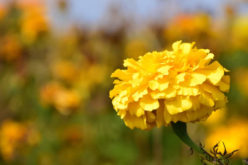
Easy to grow and maintain, marigolds are celebrated for their bright, cheerful flowers and pest-repellent properties. Full sun and well-drained soil will yield the best results.[ view ideas: marigolds garden ideas ]
- Impatiens:
Ideal for adding color to shaded garden areas, impatiens thrive with minimal direct sunlight. They prefer moist, well-drained soil and offer a continuous display of flowers from spring to frost.[ view ideas: impatiens garden ideas ]
- Zinnias:
Renowned for their bright, daisy-like flowers, zinnias are a favorite for cutting gardens. They require full sun and well-drained soil. A regular dead-heading schedule can help promote continuous blooms throughout the season.[ view ideas: zinnias garden ideas ]
- Begonias:
With their lush foliage and beautiful flowers, begonias are ideal for shaded garden spots or containers. They prefer moist, well-drained soil and minimal direct sunlight, thriving in partial to full shade.[ view ideas: begonias garden ideas ]
- Snapdragons:
Snapdragons add height and color to the garden with their tall spikes of brightly colored flowers. They perform best in cooler temperatures and can handle full sun to partial shade, preferring rich, well-drained soil.[ view ideas: snapdragons garden ideas ]
- Cosmos:
Effortlessly elegant, cosmos bloom with delicate, daisy-like flowers on tall, slender stems. They are extremely easy to grow in full sun and adapt well to a variety of soil conditions, making them perfect for adding a touch of whimsy to any garden setting.[ view ideas: cosmos garden ideas ]
- Salvia:
Known for their spikes of vibrant flowers, salvia varieties attract pollinators while adding height and color to the garden bed. They thrive in full sun with well-drained soil and are drought-tolerant once established.[ view ideas: salvia garden ideas ]
- Pansies:
These charming blooms are known for their distinctive coloring and patterns. Pansies are cool-weather favorites that perform well in both spring and fall gardens. They prefer sunny to partially shaded locations and rich, well-drained soil.[ view ideas: pansies garden ideas ]
- Nasturtiums:
Not only are nasturtiums known for their bright, trumpet-shaped flowers, but their leaves and flowers are also edible, with a peppery flavor. They are easy to grow, thriving in full sun to partial shade and poor to moderate soil conditions.[ view ideas: nasturtiums garden ideas ]
Part-Sun Annuals
viewing amazon -
-
3rd flower review: The Floral Benefits of Diversity
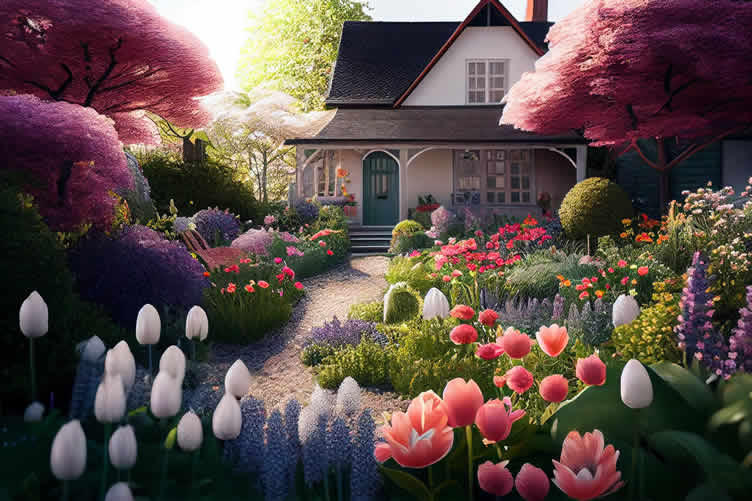
Integrating perennials and annuals in your garden design provides numerous benefits, leading to a more vibrant and sustainable garden environment. Not only does this pairing extend the season of color, offering visual interest throughout the year, but it also plays a crucial role in enhancing the gardens ecosystem.
Perennials, which return year after year, provide a stable structure and habitat for local wildlife, while annuals, with their variety of colors and bloom times, ensure continuous bloom from spring to fall. Together, they create a dynamic and flourishing garden that supports biodiversity and beauty.
-
Extended Blooming Season through Strategic Integration
By thoughtfully integrating both types of flowers in your garden bed design, gardeners can achieve an extended blooming season, ensuring that the garden remains lively and colorful from early spring to the late autumn months. This is primarily because perennials and annuals have different peak blooming times.
While perennials may bloom at specific times of the year and then retreat into their foliage, annuals can be selected to fill in the gaps, blooming at times when perennials are not at their peak.
For instance, after the early spring bloomers like tulips and daffodils have faded, summer annuals can take center stage, offering vibrant hues through the hotter months. In turn, late-blooming perennials can prolong the garden’s color display into the fall, long after many annuals have completed their cycle.
-
Supporting Pollinators with Diverse Plant Selections
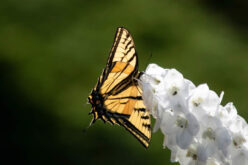
Having perennials and annual flowers in your garden not only enhances the aesthetic appeal of your garden but also significantly benefits pollinators like bees, butterflies, and hummingbirds. This diversity in plant choices offers a steady food source for these essential creatures throughout the growing season.
Perennials, such as lavender and salvia, provide nectar and pollen in the early to mid-summer, while annuals like zinnias and marigolds continue to offer sustenance into the fall. This staggered blooming schedule is crucial for supporting a wide range of pollinating species, which may have different periods of activity and nutritional needs.
Additionally, the varied structure and height of plants achieved by mixing perennials and annuals create an ideal habitat for pollinators, offering them shelter from predators and harsh weather conditions.
-
Enhancing Soil and Pest Management
Both type of plantings play a significant role in improving soil health and pest management. Perennials, with their deep root systems, are proficient at breaking up hard soil, thereby improving soil structure and facilitating better water infiltration and air penetration.
This deep rooting also helps to bring nutrients up to the surface layers of the soil, where shallower-rooted annuals can benefit from them, thereby creating a symbiotic relationship between these plant types.
On the pest management front, the diversity of plant life encouraged by mixing perennials and annuals can lead to a more balanced ecosystem within the garden. Different plants attract a variety of beneficial insects that act as natural predators to common garden pests.
For example, marigolds release a substance from their roots that can deter nematodes, while lavender can repel harmful insects and attract beneficial ones like bees and butterflies.
By employing a diverse planting strategy, gardeners can reduce the need for chemical pesticides, leading to a healthier, more sustainable garden environment that benefits both the soil and the wide range of organisms that inhabit it.
copyright image by 123rf.com
[ view diagram: flower bed planting diagram ]
[ youtube: landscaping tips: annuals and perennials ]
-
-
4th flower review: Designing Garden with Perennials and Annuals
Creating a visually appealing and thriving garden involves strategic planning, especially when incorporating both perennials and annuals. Here are tips for designing garden beds that blend the lasting beauty of perennials with the seasonal vibrancy of annuals, ensuring a dynamic and flourishing garden throughout the year.
-
Perennial Garden Design Tips
- Start with a Framework:
Begin by laying out the permanent structures of your garden with perennials. Use them to form the backbone of the landscape, considering their height, spread, and color when mature. - Consider Bloom Time:
Select perennials with varying bloom times to ensure continuous color throughout the growing season. This staggered approach keeps the garden lively and vibrant. - Play with Texture:
Mix perennials of different foliage textures and shapes to add depth and interest. Even when not in bloom, varied leaf designs can create a visually appealing garden.
- Start with a Framework:
-
Annual Garden Design Tips
- Add Seasonal Color:
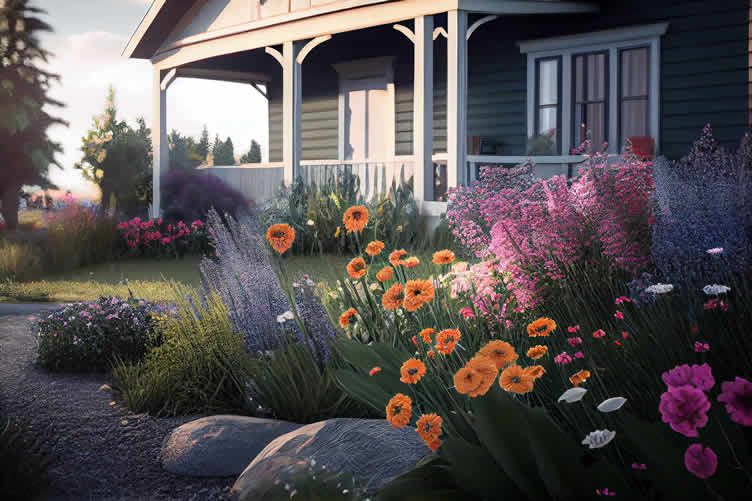
Utilize annuals to inject vivid color and fill any gaps between perennials. Since annuals bloom for an extended period, they can keep the garden looking full and bright. - Experiment with Arrangements:
Annuals offer the flexibility to try new themes or color schemes each year. Use them in clusters for a strong impact or as borders to define garden spaces and paths. - Incorporate Containers:
For gardens with limited space, or for adding levels of interest, consider planting annuals in containers. This allows for easy movement and experimentation with different plant combinations.
- Add Seasonal Color:
copyright image by 123rf.com
[ youtube: 7 perennials anyone can grow ]
[ youtube: perennial garden design – adding annuals ]
-
-
5th flower review: Planning Garden Bed Design
When planning your garden bed, visualize the mature size and shape of both the perennials and annuals to ensure a balanced and cohesive look. Incorporate both for a garden that evolves with the seasons, offers continual interest, and caters to the diverse preferences of local wildlife.
Remember, the goal is to strike a harmony between the steadfastness of perennials and the ephemeral beauty of annuals, creating a garden that feels both established and ever-changing.
-
Layering for Interest in Garden Bed Design
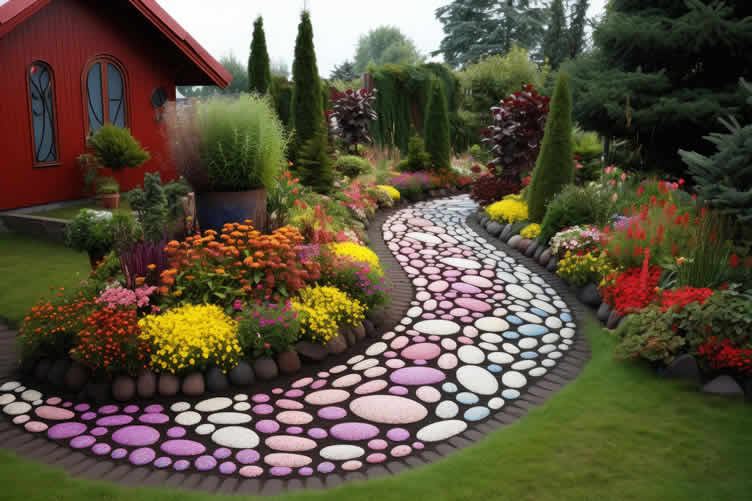
Creating depth and intrigue in your garden involves more than just selecting a variety of plants; it’s about thoughtful layering. Start with tall, striking perennials or shrubs at the back of your bed to form a backdrop. Mid-height plants should follow, allowing for an eye-pleasing gradient to shorter flowers and groundcovers at the front.
Consider how these layers will look throughout the seasons, planning for a mix of blooming cycles, foliage colors, and textures. This strategic layering not only maximizes visual interest but also encourages a healthy, dense growth habit, minimizing weeds and maximizing the beauty of your garden space.
-
Considering the Climate in Garden Bed Design
An essential aspect of successful garden bed design is the consideration of your local climate. Various plants flourish under distinct climatic conditions, making it imperative to choose perennials and annuals that align with the weather patterns of your region.
Understanding your gardening zone, average rainfall, and temperature ranges can guide your plant selection process, ensuring a garden that is not only beautiful but also sustainable. Factor in the amount of sunlight and shade your garden receives throughout the day, as this will further refine your plant choices.
-
Creating Cohesion with Color in Your Garden Bed Design
Incorporating a cohesive color scheme in your garden bed can dramatically enhance the visual harmony and overall appeal of your outdoor space. Start by choosing a palette that reflects your personal style or the mood you wish to create—be it serene and calming with cool blues and greens or vibrant and energetic with bold reds and yellows.
Think about the color transitions between the layers of plants, from the backdrop to the forefront, ensuring they flow smoothly rather than compete. Integrate plants with variegated foliage or those that bloom in complementary colors at different times of the year to maintain interest across seasons.
copyright image by 123rf.com
[ view ideas: flower bed designs ]
[ youtube: landscaping tips: annuals and perennials ]
-
-
6th flower review: Maintenance Secrets
Annuals, which complete their life-cycle in just one year, offer a burst of color and texture. To maximize their display, regular dead-heading is crucial. This process removes spent blooms to encourage more flowering.
Feeding with a balanced, water-soluble fertilizer every few weeks will support their rapid growth and blooming capabilities. Also, because annuals are not coming back the following year, experimenting with their placement and combinations can provide valuable insights for future garden planning.
-
The Importance of Dead-heading and Pruning
Dead-heading is more than just a maintenance task; it’s a vital technique to ensure your garden remains flourishing and aesthetically pleasing. This simple practice involves removing faded or dead flowers from plants, which serves multiple purposes.
Firstly, it prevents plants from spending energy on seed production, redirecting it towards growth and the production of more blooms. Additionally, dead-heading can help in reducing the spread of diseases and pests, which are often attracted to decaying plant matter.
For many annuals and perennials, this process not only prolongs the flowering period but also enhances the plant’s overall health and vigor, contributing to a more vibrant and dynamic garden landscape.
-
Dead-heading Tips for Perennials and Annuals
- Regular Inspection:
Frequently check your plants for spent flowers. Regular inspections will help you keep on top of dead-heading needs before the plants start to seed. - Right Technique:
For perennials, use clean, sharp scissors or pruning shears to cut the stem below the spent flower and above the first set of healthy leaves. For annuals, you can often simply pinch off the dead flowers with your fingers. - Be Gentle:
When dead-heading, be careful not to damage the stems or nearby buds that will soon bloom. - Timing Is Key:
The best time to deadhead is in the late afternoon or on overcast days to reduce stress on the plants. - Continuous Blooming:
For plants that bloom continuously or multiple times throughout their growing season, regular dead-heading is essential to encourage more flowers. - Post-Deadheading Care:
After dead-heading, give the plants a light watering and a dose of balanced fertilizer to help spur new growth and blooms. - Experimenting with Dead-heading:
Some gardeners experiment by not dead-heading certain plants to allow them to seed naturally, which can attract birds and beneficial insects, adding another layer of life to the garden.
- Regular Inspection:
-
Pruning Tips for Perennials and Annual Flowers
- Identify the Plant’s Needs:
Understand whether your plant benefits more from light pruning or can handle more severe cuts. Perennials often require different pruning levels depending on the species. - Use the Right Tools:
Always use sharp, clean pruning shears or scissors. Dull or dirty tools can damage plants and introduce disease. - Prune at the Right Time:
For most perennials, the best time to prune is in late winter or early spring before new growth starts. Annuals may be pruned throughout their growing season to encourage bushier growth and more blooms. - Remove Dead or Damaged Stems:
This helps prevent the spread of diseases and pests and encourage healthier plant growth. - Thin Out Dense Growth:
Carefully thinning out overcrowded areas allows light and air to reach the inner parts of the plant, reducing the risk of disease. - Shape Your Plants:
Especially for annuals, shaping by pruning can encourage a more aesthetically pleasing growth pattern and denser foliage. - Cut Back to a Healthy Bud:
Always prune back to just above a healthy bud or leaf node to encourage regrowth in a desirable direction. - Clean Up:
After pruning, clean up and dispose of all cuttings to help prevent the spread of disease or pests in your garden.
- Identify the Plant’s Needs:

copyright image by 123rf.com
[ pinterest: flower garden maintenance ]
[ youtube: perennial & flower bed maintenance! ]
-
-
7th flower review: Sustainability: Building A Eco-Friendly Garden
Transitioning to a sustainable flower garden is not just about enhancing its beauty; it’s a step towards environmental stewardship. Sustainable gardening practices ensure that your garden thrives naturally, reduces carbon footprints, and supports local ecosystems.
-
Choosing Native Plants
Choose native species that are well-suited to your area’s climate conditions and soil types. These plants are more likely to thrive as they require less water and fewer fertilizers, thanks to their adaptation to local environments.
Additionally, because they are resistant to pests common in the area, there is a reduced necessity for chemical interventions. This not only makes your gardening more sustainable but also supports the local ecosystem by providing habitats for native wildlife.
-
Promoting Pollinators
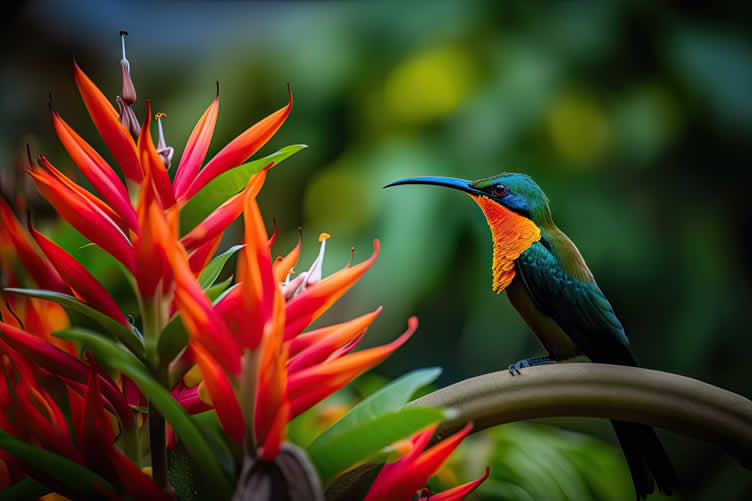
Create a garden habitat that serves as a magnet for bees, butterflies, and other vital pollinators by thoughtfully selecting a diverse array of plants that bloom at various times throughout the year.
This strategy ensures a steady supply of food for these crucial creatures. Incorporating plants that flower at different seasons can significantly enhance the garden’s ability to support a wide range of pollinators.
Moreover, fostering this biodiversity doesn’t just aid in pollination; it plays a significant role in natural pest control as well. By creating a balanced ecosystem, you can minimize the reliance on chemical pesticides, thus promoting a healthier and more sustainable environment for both plants and pollinators.
-
Water Conservation Techniques
Adopt water-smart strategies including rainwater harvesting, which involves collecting and storing rainwater for on-site use, drip irrigation that delivers water directly to the roots of plants thereby reducing evaporation, and mulching, which helps retain soil moisture.
By implementing these practices, you can ensure that plants receive the necessary moisture they need while minimizing waste and conserving water, a precious and finite resource crucial for our survival and the health of the planet.
-
Supporting Soil Health
To ensure the health of your soil, it’s crucial to practice crop rotation and to plant cover crops during the off-seasons. Crop rotation prevents the same nutrients from being depleted year after year, while cover crops enrich the soil by fixing nitrogen levels and improving its structure.
This natural way of maintaining soil fertility reduces the dependence on chemical fertilizers, promoting a more sustainable and environmentally friendly approach to farming.
By nurturing the soil through these methods, you can enhance its productivity and longevity, ensuring that it remains rich and fertile for future planting seasons.
-
Organic Practices
Transitioning towards the use of organic fertilizers and pest control methods offers a sustainable and environmentally friendly approach to gardening and farming.
By composting kitchen scraps and yard waste, individuals can significantly reduce their contribution to landfills, while simultaneously enriching the soil with essential nutrients that plants need to thrive.
This natural amendment improves soil structure, promotes healthy root development, and increases water retention.
Additionally, managing pests without resorting to synthetic chemicals can be effectively achieved through the use of natural predators, such as ladybugs and lacewings, or by implementing physical barriers like netting and row covers.
These practices not only protect plant health but also safeguard the surrounding ecosystem from the adverse effects of harmful pesticides, promoting biodiversity and preserving the natural balance.
copyright image by 123rf.com
[ pinterest: sustainable flower garden ]
[ youtube: beware! do not buy these 11 plants ]
-
-
Conclusion
These practices not only protect plant health but also safeguard the surrounding ecosystem from the adverse effects of harmful pesticides, promoting biodiversity and preserving the natural balance.
Understanding the roles, properties, and potential pairings of perennial and annual flowers in your garden is akin to speaking the language of nature.
By crafting a thoughtful blend of blooms, you create not just a garden, but a narrative of color, diversity, and life itself. Deliberate in your plant selection, attentive in your care, and steadfast in your commitment to a sustainable ecosystem, and your garden will not just grow—it will thrive.
To those who dare to cultivate their own perennial and annual dance, your garden awaits—lush, vibrant, and as perennially enchanting as the flowers within it.
Quick scroll to more interior home and decor ideas …

ideas to view and compare from the photo above
book: flower garden designperennial wildflower seedsannual flower seeds
understanding perennial and annual flowers that you have worked with?
 … grab this directory of ideas


annual flower planting



SHARE IT ..! You might have someone in your social network who could find this understanding perennial and annual flowers valuable. Feel free to share it on Facebook, Twitter, LinkedIn, or Pinterest!


making yard n’ garden and home improvement decisions


Calendar For:
Home Maintenance
File Type: 


below for …
garden design and planting
view illustration “becoming a bank”
Find Landscaping/Maintenance Landscape Design Landscape Maintenance Pest Control Sprinkler Systems Tree & Shrubs Water Features top-rated, pre-screened local contractors FREE: download contractor selection enter zip code – powered by HomeAdvisor ™
Quick Contractor Guides selecting negotiating working with inspecting

Cover image credit: understanding perennial and annual flowers by 123rf.com
end of post … please share it!
 links open new win
or simply search by entering garden care item or other gardening need
 |
did you find this understanding perennial and annual flowers analysis helpful? If so, please share the article with your friends and family! |
Nice pic idea? Leave us a quick comment below.
And please share this pic idea within your social networks.