

A collection of remodeling photos for every room n' area for the inside and outside home and garden.
Use these pics to collect ideas for your remodeling and home improvement plans: either search or select category
Going Green Ideas
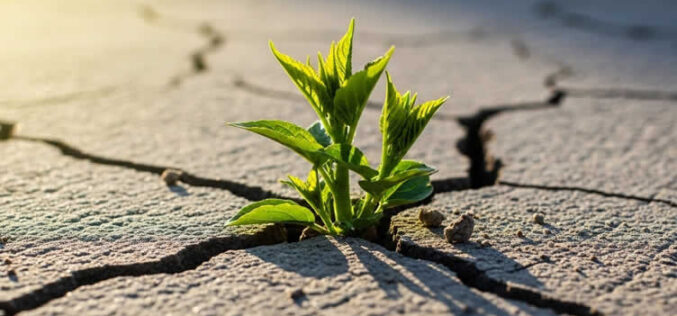
To protect your loved ones from the escalating drought, your main focus must be conserving daily household water use, securing a safe drinking water reserve, and stocking up on shelf-stable foods before shortages drive prices higher.

Opening your monthly utility bill should not be a moment filled with dread. As utility rates fluctuate and environmental awareness grows, finding practical ways to reduce your energy consumption has become a priority for mindful homeowners.

We discussed in a previous post (noted below) about making your home dwelling more eco-friendly. Let’s shift gears and address life-style changes. Things you can do inside and outside the home that are eco-friendly and more healthy to you.
Eco-friendly homes represent more than a fleeting trend—they embody a thoughtful approach to modern living that benefits both homeowners and the environment. Creating an eco-friendly home means embracing innovative technologies and sustainable practices that enhance your quality of life that lead to significant cost savings over time.
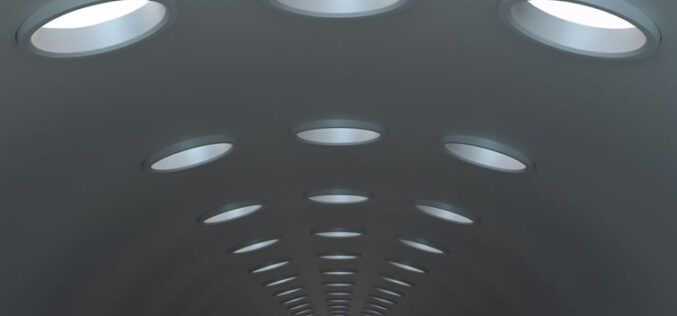
Solar tube lighting, also known as sun tunnel lighting, is an innovative and energy-efficient solution to illuminate dark areas of your home. These systems capture natural sunlight from your roof and channel it through highly reflective tubes, delivering bright, natural light to interior spaces without the need for electrical lighting during the day.
Sustainable building practices are key to creating environmentally friendly, energy-efficient, and cost-effective homes. Using these methods during a build or remodel reduces waste, lowers carbon emissions, and conserves resources. Sustainable homes also promote healthier living spaces with non-toxic materials and better air quality.

Setting up a hydroponic garden is an innovative way to grow plants without using soil, instead relying on nutrient-rich water solutions for plant nutrition.
This method is ideal for gardeners with limited space, offering efficient growth and higher yield potential.
Sustainable design for the home prioritizes environmentally responsible and resource-efficient practices throughout a building’s lifecycle. This approach aims to harmonize architectural aesthetics with functionality while minimizing negative impacts on the environment.
Imagine transforming your home and garden into a self-sufficient oasis, where fresh produce, natural products, and sustainable living are all within arm’s reach. Micro-homesteading is the practice of making small-scale changes to live more sustainably and self-sufficiently, both indoors and outdoors.
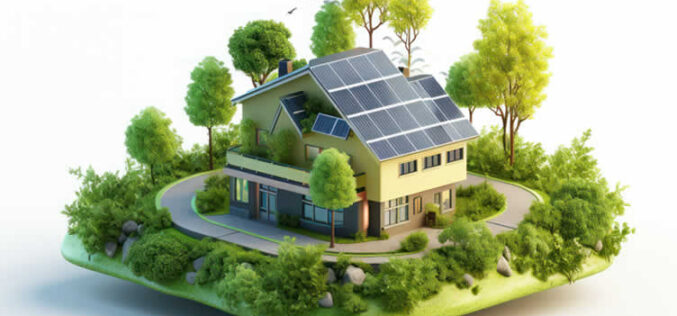
Taking on the task of planning and designing an off-grid home is both an exciting and challenging endeavor. The goal is to create a self-sufficient living environment that provides comfort and sustainability without reliance on some or all public utilities.
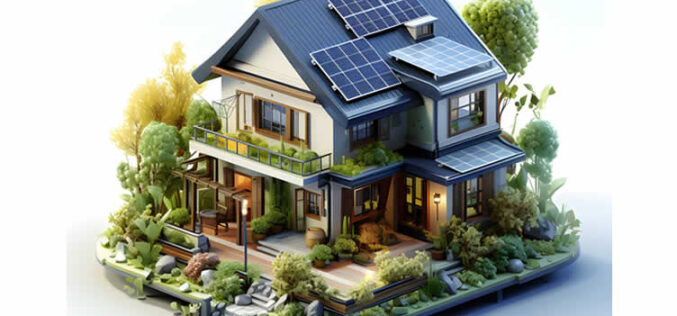
The transition to a green energy home is not just about keeping up with the trends; it’s a statement about your values and a commitment to the planet’s longevity. But how does one go about turning a standard house into a model of eco-efficiency? In this in-depth guide, we’re going to take you through the entire process.

If you’re transitioning to a sustainable lifestyle, setting up a compost area in your garden is an excellent “green” initiative. A specially allocated area for depositing food scraps and other biodegradable materials allows them to break down over time, creating nutrient-rich compost.
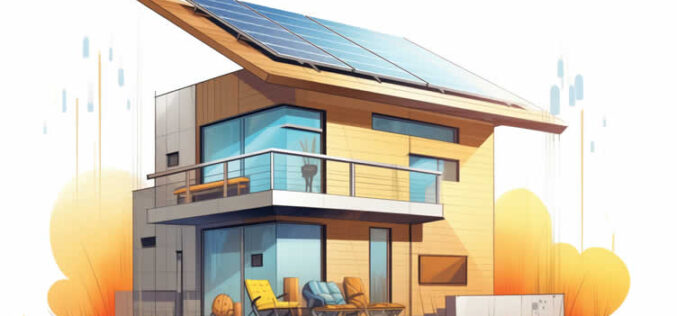
Installing a solar energy system is an excellent way for homeowners to reduce their carbon footprint, lower energy bills, and increase the value of their property. However, navigating the process of installing solar panels can seem daunting for many homeowners.
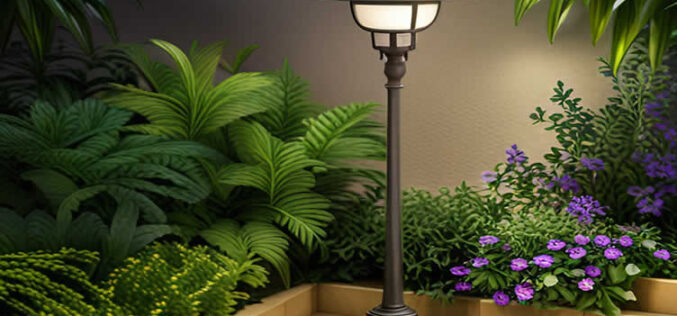
Summary Outline – Smart solar lights are innovative lighting solutions powered by solar energy, harnessing sunlight to illuminate homes and outdoor spaces. They integrate advanced technology to efficiently convert solar power into light, offering an eco-friendly alternative to traditional electrical

Are you a homeowner looking for ways to reduce your environmental impact and increase the sustainability of your home? Making green home improvements can be an important step in achieving these goals.
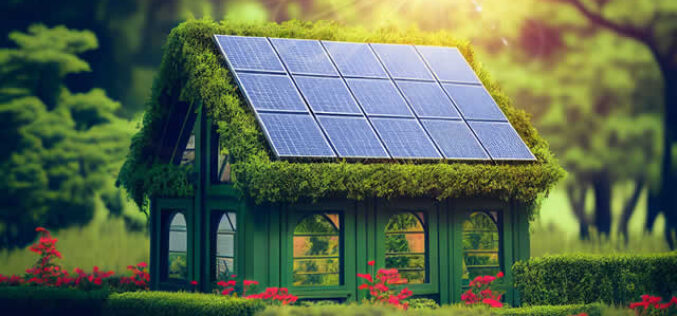
Home renovation can be an excellent way to create a more sustainable and eco-friendly living space. There are numerous ideas that homeowners can implement to reduce their environmental impact, such as using energy-efficient appliances, incorporating sustainable energy sources, utilizing recycled and repurposed materials, and installing low-flow fixtures.
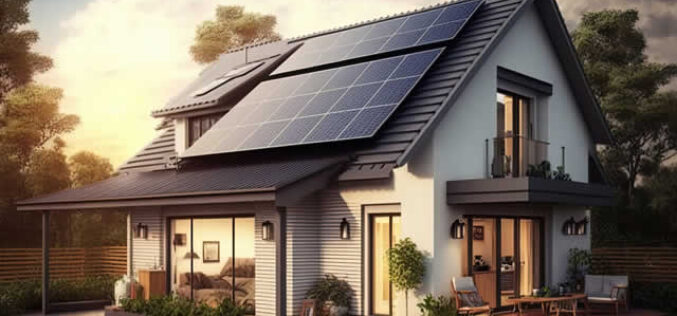
As solar energy becomes increasingly prevalent and accessible, many homeowners prefer solar systems that provide clean energy, but look good too.
Water is a precious commodity – and too often we take it for granted.
When you turn on the spigot, have you ever considered where the clean water comes from and how it is distributed to your home? And what happens if that water dries up due to drought or other situation? Then what!
Home energy costs are going up – and the forecast is that these costs will remain high for the next few years. Energy includes electricity, natural gas, heating oil, and other related fuels to heat, cool, and provide the current to operate our home appliances and garden.

The future can appear very uncertain when economic forecasts are grim. Countries also feel they are being held for ransom over fuel availability and costs. It is prompting many people to look for an alternative form of energy.
With fall officially here and the cooler months on the horizon, now is a great time to assess your home’s energy usage.

One way to live a sustainable life is by designing a home off the grid. It ensures you save money on utilities such as water and electricity. Many products, like solar panels and water tanks, are available to make your home more environmentally friendly.
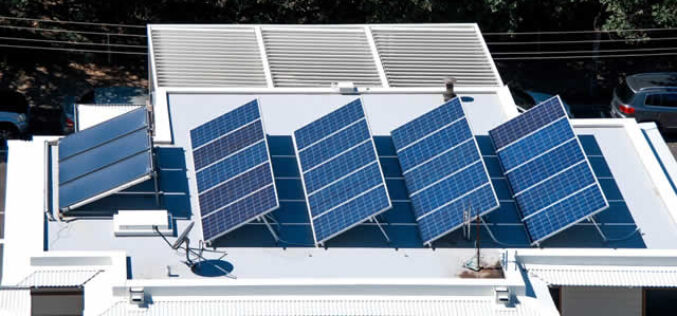
To utilize the full effect of solar panels, you will need a solar battery for storing power that is generated. That way, you can enjoy electricity when the sun goes down. But solar batteries have other uses as well. Let’s review how a solar battery can be used for storing and providing electricity as needed.

The global population is increasing rapidly, and the energy demand is growing. Climate change is also becoming a more imminent risk with the recent wildfires in California and drought in the American Midwest.
As you drive through neighborhoods, these days, you’ll see more and more homes topped with solar panels. With how popular they’re becoming, you may be interested in converting to solar power as well, but you may be wary about the cost.
Green homes and the concept of eco-friendly living go hand in hand. They have both come a long way in the last few years or so. What was once part of the fringe is now in the mainstream.
The most recent reports suggest that it is already too late to stop the planet warming by 1.5°C and that global warming is accelerating. The report suggests that the key to reducing the amount the planet warms is in reducing carbon emissions, that is something everyone can help with.

No matter where you live, you need to conserve and save water as needed. No reason to waste. This is especially true is drought stricken areas. So what can you do to save water?

Keeping a close eye on utility costs is an important way to keep the family budget on track. Too many homeowners waste hundreds of dollars a year simply by failing to make simple changes to make their homes greener.

Many common household cleaners are full of harmful chemicals, and carpet-cleaning products are no exception. It is probably easier than you think to keep carpets clean and fresh without resorting to unhealthy cleaning products that can harm you and the environment.

As a homeowner, you might be contemplating making home improvements to uplift the appearance of your house. According to experts, adding more rooms, upgrading your kitchen and the bathroom is a great way to add value to your home.

Rainwater harvesting is the process of collecting, preserving and storing rainwater. It provides a free and independent water supply that offers several ways this water can be utilized.

New, eco-friendly home look very interesting. But what can you do in your current home to make it more eco-friendly? Inside are 10 tips of eco-friendly options that you can consider.

The “Great Outdoors” is your retreat when you crave a breath of fresh air. But thanks to vehicle exhaust, smokestacks, and chemical fumes, 90% of people lack quality air. The only alternative — your home — could be an even worse offender.
The year 2020 will always go down as a year of great suffering and monumental change. But it’ll also go down as a year in which we came to see environmental concerns as one of the most important global priorities.

Global climate change has become a hot topic over the past few years. There are more severe weather, less rain, and unpredictable weather patterns. The question is, how do we deal with it?
